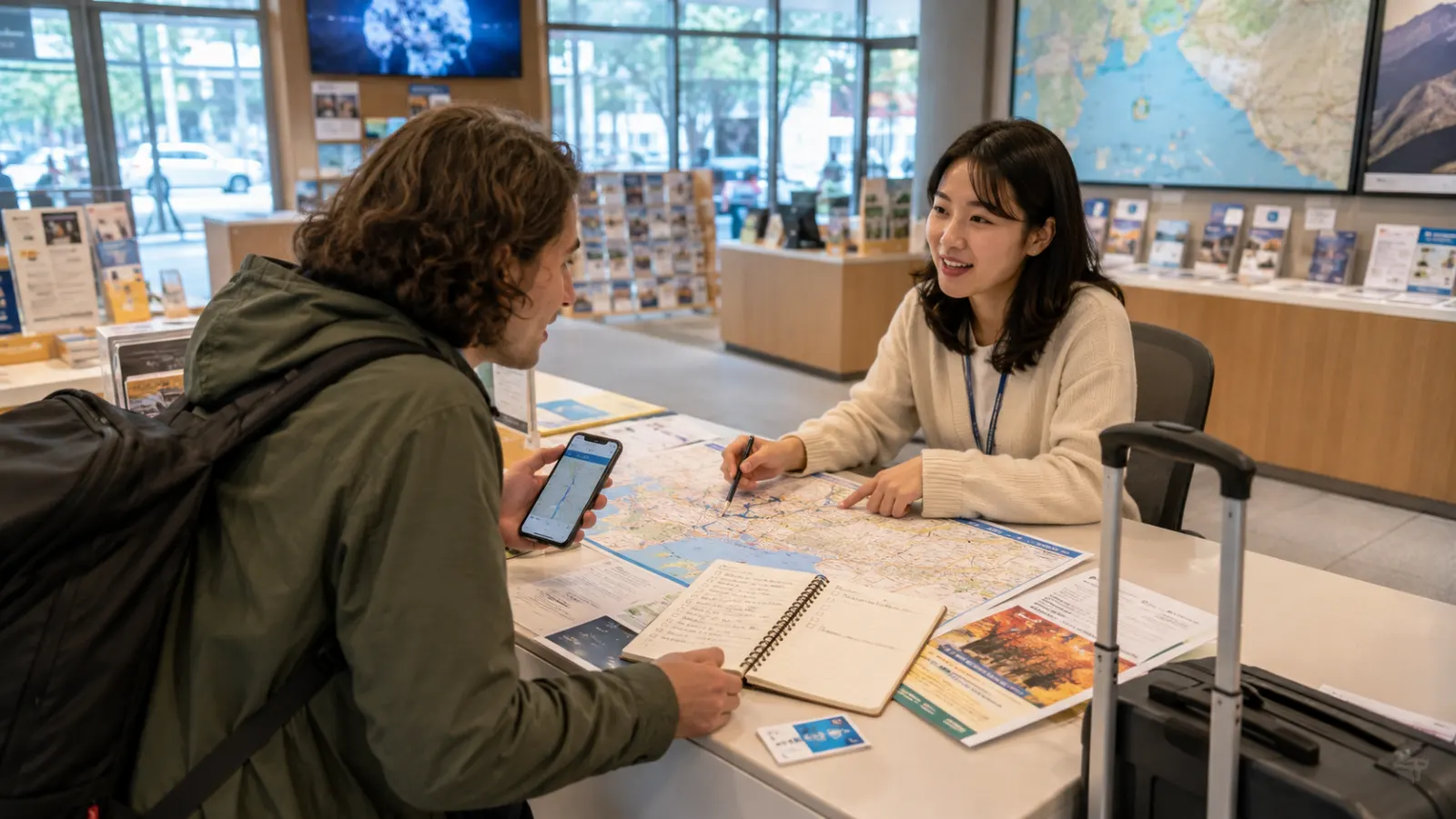
Driving on Korean Expressways: Tolls, Rest Areas, and Navigation Tips for Foreigners
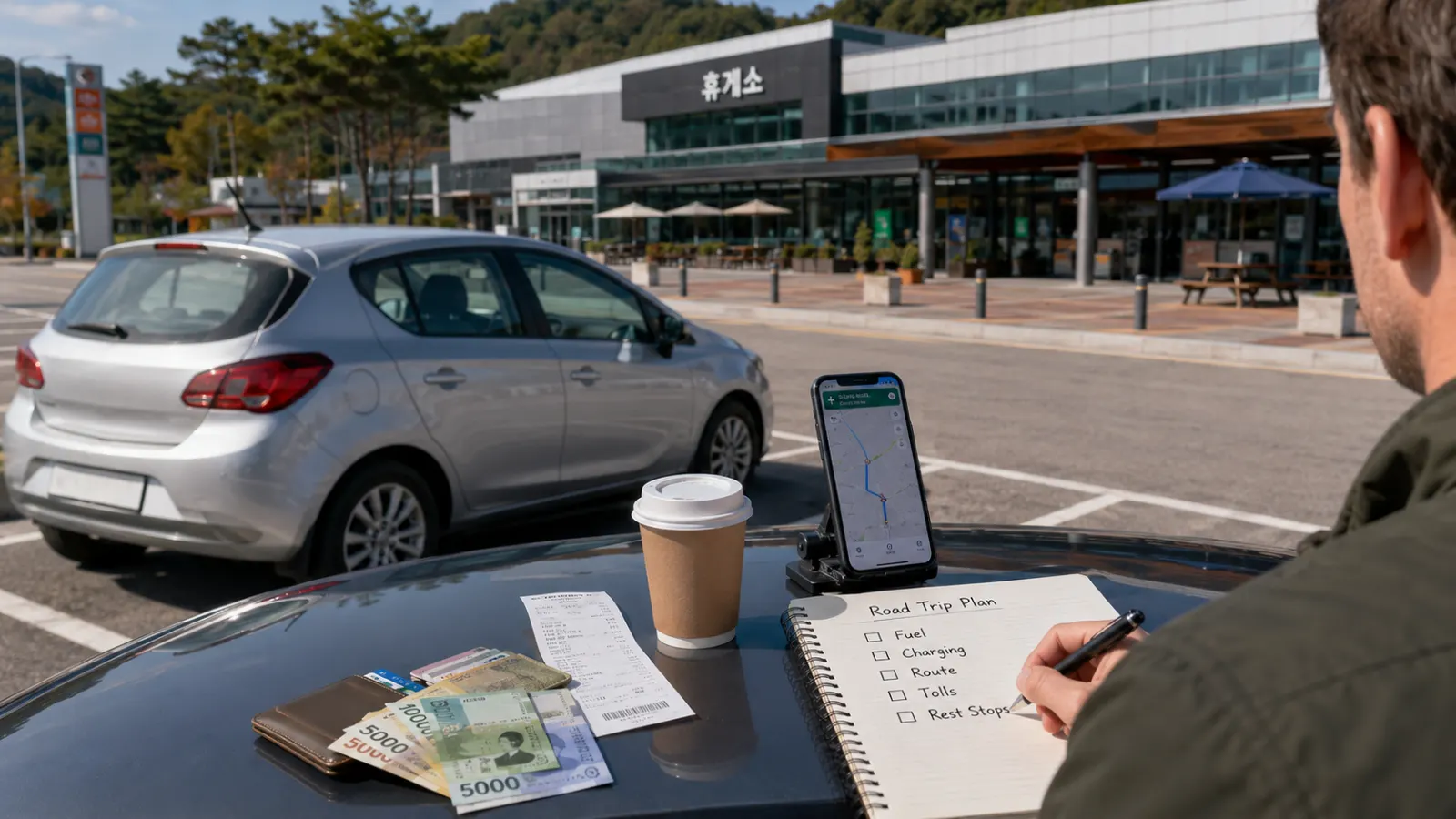
Driving in Korea can make regional travel much easier, especially when visiting rural coastlines, mountains, family attractions, golf courses, or towns without direct rail connections. The expressway network is efficient, but foreign drivers can become confused by toll lanes, electronic payment devices, service areas, navigation instructions, and congestion around major holidays.
A safe trip begins before entering the expressway. Confirm how the vehicle pays tolls, set the route while parked, and understand where you can stop.
Expressways are controlled-access roads
Korean expressways connect major cities and regions using controlled entry and exit points. Drivers should enter and leave through designated interchanges. Navigation apps may show several route choices with different tolls and travel times. The fastest-looking route is not always best. Consider:
- Toll cost
- Congestion
- Weather
- Number of interchanges
- Service-area access
- Urban driving at the destination
- Vehicle type
- Charging or fuel needs
Do not stop on the shoulder except for a genuine emergency. Missing an exit is safer than making a sudden or illegal maneuver.
Understand the rental car’s toll setup
A rental vehicle may have an electronic Hi-Pass device, a payment card, or no electronic toll arrangement. Ask the rental company:
- Is Hi-Pass installed?
- Is a card already inserted?
- Who pays the tolls?
- Are tolls charged later?
- Which lane should I use?
- What should I do if the device fails?
- Can I use a foreign payment card at ordinary toll facilities?
- How are unpaid tolls handled?
Do not assume that the small device near the windshield is active. Using an electronic lane without a working payment method can create an unpaid toll that must be resolved later.
Toll lanes
Toll plazas may have electronically marked lanes and other payment lanes. Choose the lane early and follow road signs. Avoid crossing several lanes suddenly near the plaza.
When using a staffed or machine-operated lane, prepare an accepted payment method. Foreign cards may not be handled identically at every facility, so carrying Korean cash can be a useful backup.
Keep the receipt when one is issued.
If you accidentally pass through without payment, do not reverse or stop in a dangerous location. Contact the rental company or toll-road operator and follow the appropriate payment procedure.
Navigation apps
Korean navigation services often understand local road conditions and Korean addresses better than foreign map applications. Before driving:
- Save the Korean destination address
- Set the route while parked
- Check toll and non-toll options
- Confirm the final parking entrance
- Download or save important information
- Mount the phone safely
- Connect charging power
- Set voice guidance
A passenger should handle route changes while the vehicle is moving.
Korean navigation may announce speed cameras, lane guidance, rest areas, accidents, and congestion. Do not allow frequent alerts to distract you from road signs and surrounding traffic.
Service areas and rest areas
Korean expressway rest areas are known as hyugeso. They can provide more than toilets and fuel. Depending on the location, a rest area may include:
- Restaurants
- Snacks
- Convenience store
- Fuel station
- Electric charging
- Toilets
- Nursing room
- Pet area
- Local specialty products
- Information desk
- Vehicle services
- Outdoor seating
Facilities vary considerably. Do not assume that every small rest stop has fuel, full meals, or overnight services. Check the next available service area before the fuel or battery level becomes low.
Entering and leaving a rest area
Reduce speed early and follow the entrance markings. Inside the area, expect:
- Pedestrians
- Buses
- Delivery vehicles
- Cars reversing
- Children
- Narrow parking lanes
- Separate truck zones
- Electric charging queues
Park only in an appropriate marked space. When leaving, follow the correct road back to the expressway. Some complex service areas may connect to both travel directions through different access roads, but many do not. Check navigation only after the vehicle is safely parked.
Food at highway rest areas
Rest-area food can be a practical part of a road trip.
Common options may include noodles, rice dishes, soup, cutlets, snacks, coffee, and regional products. Ordering methods can involve kiosks, counters, numbered receipts, or separate pickup stations.
Foreign cards may work at many locations, but a backup payment method remains useful. Keep track of the departure time when traveling in a group or bus. Large service areas can take longer to navigate than expected. Avoid eating a heavy meal when it may cause drowsiness.
Drowsy driving
Long expressway drives can become monotonous. Warning signs include:
- Frequent yawning
- Difficulty focusing
- Drifting within the lane
- Missing signs
- Forgetting recent kilometers
- Heavy eyelids
- Repeated speed changes
Open windows, loud music, or coffee are not reliable substitutes for sleep. Stop at the next safe rest area and rest. Change drivers only when the other person is registered and insured to drive the vehicle. Do not continue merely because the destination seems close.
Holiday congestion
Traffic can become severe during:
- Lunar New Year
- Chuseok
- Long weekends
- Friday evenings
- Sunday afternoons
- Summer holidays
- Major regional festivals
- Heavy snow or rain
A navigation estimate made before departure can change significantly. Plan fuel, charging, food, restroom breaks, and accommodation check-in with delays in mind. Do not schedule a tight international flight, ferry, or train connection after a long expressway trip during a busy period.
Fuel stations
Confirm the rental car’s fuel type before leaving. Korean stations may provide full service, self-service, or a mixture. Do not confuse:
- Gasoline
- Diesel
- LPG
- Electricity
Photograph the fuel information provided by the rental company. At a self-service station, the interface may be primarily in Korean. Ask for help rather than risking the wrong fuel. Keep the fuel receipt when the rental agreement requires the car to be returned at a specified level.
Electric vehicles
An electric rental can work well when charging is planned. Check:
- Connector type
- Charging network
- Payment method
- App registration
- Fast-charging capability
- Charging time
- Accommodation charger
- Return charge requirement
- Rural availability
- Holiday queues
Foreign cards may not work at every charger. Ask the rental company whether a charging card is supplied and how usage is billed. Do not begin a remote mountain or coastal route with an uncertain charging plan.
Breakdowns and emergencies
Save the rental company and roadside-assistance contacts. If the vehicle develops a serious problem:
- Move to a safe location when possible.
- Turn on hazard lights.
- Keep passengers away from traffic.
- Use emergency warning equipment when safe.
- Contact the proper assistance service.
- Report the location accurately.
- Do not attempt an unsafe roadside repair.
Use the road name, direction, nearby interchange, kilometer marker, and navigation location to explain where you are. A collision involving injury or danger requires emergency assistance.
A practical expressway checklist
Before entering:
- Confirm toll payment
- Set navigation
- Check fuel or charge
- Save emergency contacts
- Check weather
- Secure luggage
- Register every driver
- Plan the first rest stop
During the trip:
- Follow lane guidance
- Avoid sudden exit changes
- Stop when tired
- Monitor fuel
- Expect congestion
- Keep toll records
Korean expressways can be convenient and comfortable, but they reward preparation more than improvisation.
Quick Summary
- Confirm whether a rental car has an active Hi-Pass setup before using electronic toll lanes.
- Set Korean navigation and destination information before the vehicle moves.
- Rest areas vary, so plan fuel, charging, food, and rest before levels become urgent.
- Holiday congestion and drowsiness can make a short-looking route much longer and less safe.