How Korea's T-money Card Works for Foreign Visitors
If you've heard that Korea has one of the most efficient public transit systems in the world, a lot of that reputation comes down to a single plastic card: T-money. But how it actually works, where to buy it, and how it differs from a simple subway ticket isn't always obvious to first-time visitors, especially with newer mobile and tourist-specific versions now in the mix.
Here's what T-money actually does, where to get one, and how to avoid the common mistakes foreigners make with it.
What T-money Actually Is
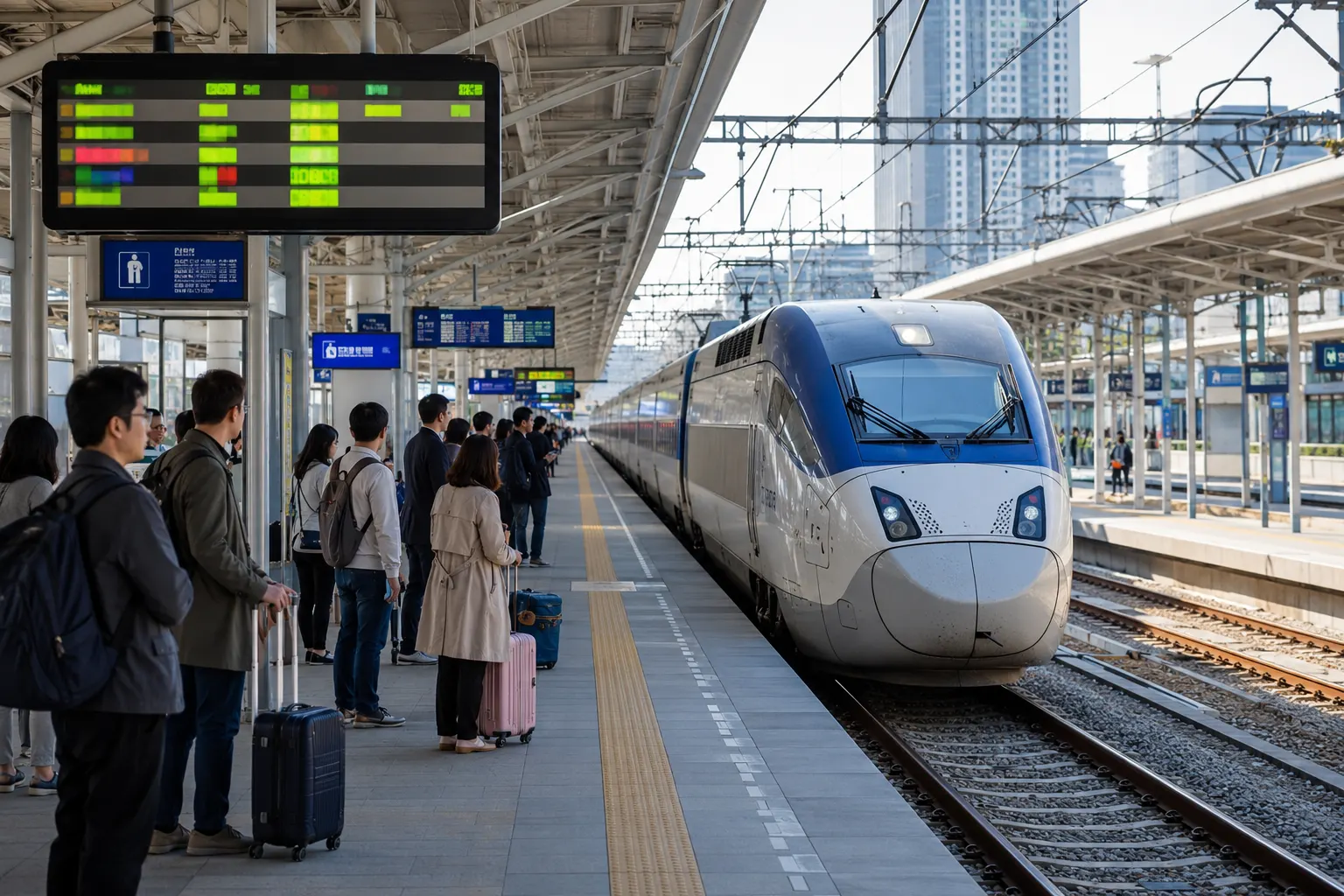
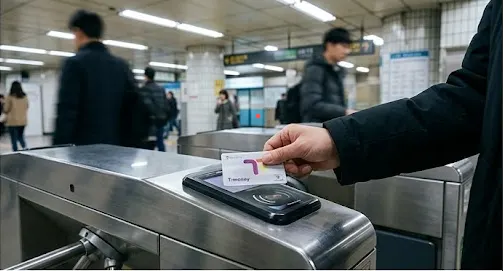
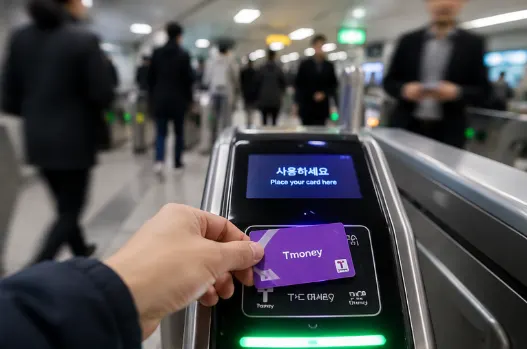
T-money is a rechargeable smart card used for subways, buses, taxis, and even some convenience store purchases across most of Korea, not just Seoul. It works on a tap-in, tap-out system for transit, deducting fares automatically based on distance traveled, which is different from cities where a single flat fare applies regardless of how far you go.
The card itself is a stored-value system, you load money onto it in advance and the balance decreases as you use it, similar to Hong Kong's Octopus card or Japan's Suica, if you've used either of those before.
Where to Buy and Load It
- Convenience stores (GS25, CU, 7-Eleven, and others) sell basic T-money cards, usually for around 2,500–4,000 KRW for the card itself, with balance added separately.
- Subway station machines also sell and reload cards, with English-language menu options at most major stations.
- Airport kiosks at Incheon and Gimpo sell tourist-oriented versions, sometimes bundled with discount card products aimed specifically at visitors.
- Mobile T-money is available for certain Android phones with NFC support, letting you top up and use the card entirely through an app, though this option is more limited for iPhones due to Apple's NFC restrictions in Korea.
A common point of confusion: your T-money balance and your phone's mobile payment app (like Samsung Pay) are not automatically the same thing. Some newer Samsung phones support T-money directly through the wallet app, but this requires setup and isn't automatic just because you have Samsung Pay installed.
How Fares Actually Work
Transit fares in Korea are distance-based with a transfer discount system, which is more generous than many visitors expect.
- A basic subway fare within Seoul typically starts around 1,400–1,550 KRW for the first 10km, with small increases for longer distances.
- Transferring between subway and bus, or bus to bus, within a set time window (usually 30 minutes to an hour depending on the time of day) doesn't require paying a new base fare, only the difference for added distance, if any.
- This transfer discount only applies if you tap in and tap out correctly with the same T-money card each time, forgetting to tap out on a bus, in particular, can result in being charged the maximum possible fare for that route.
This is one of the most common mistakes for first-time visitors: assuming buses work like subways, where tapping once when boarding is enough. On most Korean city buses, you need to tap again when exiting, near the rear door, or you risk an incorrect fare deduction the next time you use the card.
Tourist-Specific Alternatives
For visitors staying only a few days, Korea also offers tourist transit passes that can be more cost-effective than a standard T-money card, depending on how much you plan to travel:
- Discover Seoul Pass and similar city passes bundle unlimited transit for a set period with discounted entry to some attractions, worth considering if you're doing heavy sightseeing across multiple paid sites in a short trip.
- T-money Card, standard version, remains the more flexible option if your trip mixes transit with everyday purchases like convenience store snacks or vending machines, since regular T-money works as small-value electronic cash beyond just transit.
For most visitors staying more than 3–4 days, a standard T-money card loaded with cash, rather than a bundled tourist pass, tends to work out cheaper and more flexible, since it doesn't require calculating whether you'll hit a break-even point on bundled attractions.
What Happens to Unused Balance
Unlike some transit cards that expire or become difficult to refund, T-money balances can generally be refunded before you leave Korea, though the process and fee vary depending on where you do it.
- Refunds at convenience stores are typically capped at a certain amount (often around 20,000 KRW) with a small service fee deducted.
- Refunds at subway station customer service counters can usually process larger balances, sometimes without the same cap, though this varies by station.
- It's rarely worth carrying a large leftover balance home, since the card itself has little resale value and refunding a small remaining amount is usually not worth the trip to a service counter.
Quick Summary
- T-money is a rechargeable card for subways, buses, taxis, and small purchases across most of Korea, sold at convenience stores, subway stations, and airports.
- Fares are distance-based, and you must tap out on buses (not just subways) to avoid being charged the maximum fare.
- Tourist bundle passes can be worthwhile for short, attraction-heavy trips, but a standard loaded T-money card is usually more flexible and cost-effective for longer stays.
- Leftover balance can typically be refunded before departure, though refund limits and fees vary by location.