Why Korean Online Payments Are Hard for Foreigners
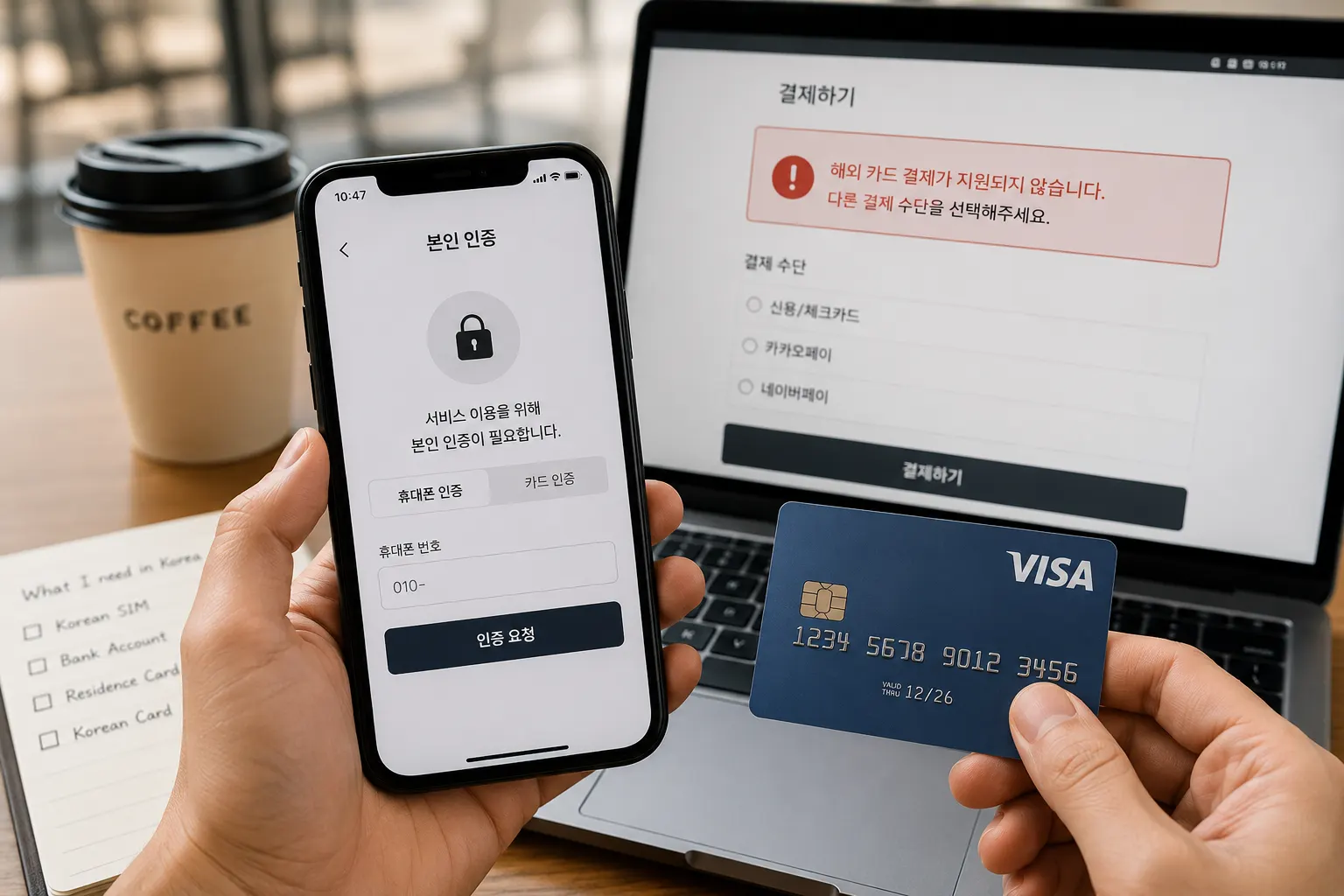
A foreign visitor can tap a foreign card at a café in Seoul and feel that Korea is almost cashless. Then the same person tries to order food, join a membership, reserve a local service, or buy something from a Korean website and suddenly gets blocked by phone verification, name matching, or a payment screen that does not accept overseas cards.
This gap is one of the most confusing parts of daily life in Korea. The problem is not simply that Korea is “behind” or “cash-only.” Korea is highly digital, but many online systems are built around Korean identity verification, local phone numbers, domestic cards, and resident registration-style data.
Why offline payment feels easy but online payment does not
In stores, cafés, taxis, hotels, convenience stores, department stores, and many restaurants, foreign Visa, Mastercard, American Express, or contactless payment often works without much trouble. The card terminal checks the card network, not your Korean residency status.
Online payment is different. A Korean shopping site, delivery app, ticketing site, membership service, or reservation platform may ask you to prove that you are a real person using a Korean-style identity flow. That can involve:
- A Korean mobile number registered under your legal name
- A foreigner residence card number, often still casually called an ARC
- A domestic bank account or Korean card
- PASS, text message, ARS, certificate, or app-based verification
- A name format that matches Korean records exactly
This is why foreigners often say, “My card works in Korea, but Korea does not let me pay online.” The card may be fine. The identity layer is usually the issue.
The identity verification trap
Korean online services often combine payment with identity verification. In some countries, you can enter an email, password, card number, and billing address. In Korea, a platform may want to confirm who you are before letting you sign up, pay, receive a refund, use age-restricted content, join a membership, book a service, or receive certain benefits.
For Korean citizens, this system is usually connected to a resident registration number and a mobile phone account under the same name. For foreign residents, the comparable route is usually a foreigner residence card and a Korean phone number registered under the same legal name.
The mistake many newcomers make is assuming that “having a Korean SIM” is enough. It may not be. A tourist SIM, data-only eSIM, or prepaid number may let you use maps, messaging, and browsing, but it may not support full identity verification. Even when you have a Korean number, the platform may reject you if your name order, spacing, hyphen, middle name, or residence card details do not match the telecom record.
A practical example: if your bank account says “MARIA JANE SMITH,” your phone account says “SMITH MARIA JANE,” and an app asks for “Maria Smith,” the system may fail even though all three refer to the same person.
Tourists, students, and long-term residents face different problems
Foreigners often talk about “payment in Korea” as one problem, but the better question is: what kind of user are you?
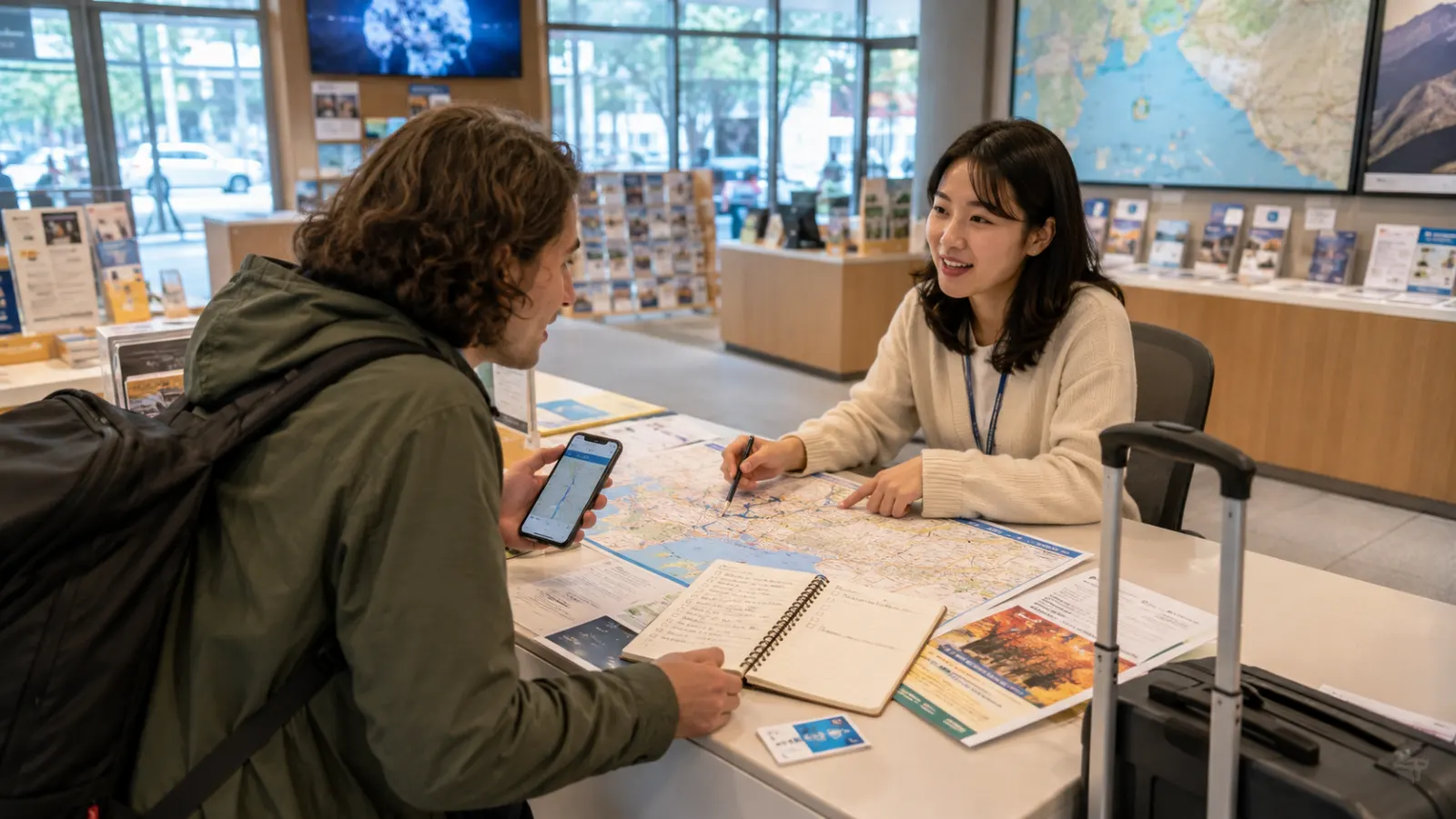
For short-term tourists, the main problem is access. You may be able to pay offline almost everywhere, but local apps can be difficult because you do not have a verified Korean identity. This affects food delivery, some online shopping, some ticketing, and certain reservation systems. A travel card, foreign card, transportation card, hotel concierge, or global version of a platform may be more realistic than trying to fully behave like a local online user.
For exchange students or workers who have just arrived, the problem is timing. You may need a residence card before opening a normal bank account, getting a phone number that supports verification, or using certain local services smoothly. The first few weeks can feel awkward because you are physically in Korea but not yet fully recognized by Korean digital systems.
For long-term residents, the problem becomes consistency. Once your residence card, phone, bank account, and card are connected, daily life gets easier. But a name mismatch, expired card, changed phone carrier, new passport, or address update can break things unexpectedly.
What usually works for visitors
If you are visiting Korea for a few days or weeks, do not build your plan around Korean-only apps unless you already know they accept your situation. A smoother setup usually looks like this:
- Use a foreign card for offline payments where accepted.
- Carry some Korean won for small restaurants, markets, older shops, or backup situations.
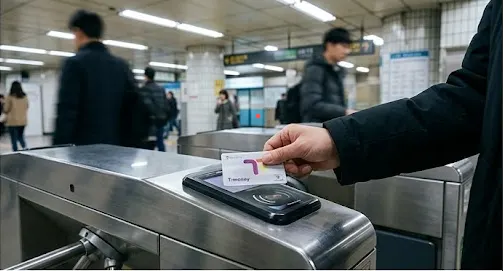
- Use a transportation card or travel payment card for buses and subways.
- Choose global-friendly booking platforms for hotels, activities, trains, tours, and airport transfers.
- For delivery, use hotel help, concierge services, restaurants that support direct ordering, or apps known to allow non-resident users.
- Avoid relying on local-only memberships, coupons, or points programs unless you can verify your identity.
The realistic opinion here is simple: tourists should not try to solve Korea’s entire local payment system. It is usually not worth the time. Use the parts that work easily and prepare a backup for the rest.
What long-term residents should set up first
If you are staying in Korea for school, work, or a long-term project, your goal is different. You want to become “locally verifiable” as early as possible. The rough order usually makes life easier:
- Get your foreigner residence card after arrival, if your visa and stay require it.
- Get a Korean mobile number registered under your legal name.
- Open a Korean bank account and request a debit or check card.
- Make sure your English name is consistent across immigration, telecom, bank, and card records.
- Set up mobile banking and payment apps only after the identity details match.
- Keep your phone number active, because many services depend on it for login, payment, password recovery, and verification.
One common mistake is choosing the cheapest phone option without checking whether it supports identity verification. Another is opening accounts using slightly different versions of your name. In Korea, small differences can matter more than foreigners expect.
Why Korean cards matter
A foreign card can be useful in Korea, but a Korean-issued card often works better for domestic online shopping, delivery, subscriptions, local reservations, and refunds. Many Korean services are designed around domestic card payment flows. Some platforms technically accept international cards, but the experience may still fail at account verification, address entry, phone confirmation, or refund processing.
A Korean check card, which is similar to a debit card, is often enough for daily life. You may not need a Korean credit card unless you want installment payments, stronger rewards, or certain memberships. Foreign residents may face extra screening for credit cards depending on income, visa status, length of stay, and the bank’s policy.
For most newcomers, the decision is practical:
- Short stay: foreign card + cash + transportation card is usually enough.
- One semester: Korean phone and bank account can save frustration.
- One year or more: local bank account, local card, and verified phone number are worth setting up properly.
- Business or freelancing: banking, tax, invoicing, and remittance needs should be checked carefully with a bank or accountant.
Online shopping and delivery are where frustration peaks
Korea’s offline shopping is easy. Convenience stores, cosmetics shops, cafés, supermarkets, and malls are usually straightforward. Online shopping can be harder because the platform may expect a Korean address format, Korean phone verification, and a domestic payment method.
Delivery apps can also be confusing. Some may allow limited non-member ordering or certain card options, while others may work better only for verified residents. Policies change, and app behavior can differ by device, language setting, payment method, and account type.
The best approach is not to assume that one foreigner’s experience applies to everyone. A tourist with a foreign card, a student with a prepaid SIM, and a resident with a verified postpaid number may all see different results on the same platform.
What to check before you depend on a Korean service
Before relying on a Korean app or website for something important, check four things.
First, does it accept foreign cards, Korean cards, or both? Second, does it require identity verification before payment? Third, does it require a Korean phone number that supports verification? Fourth, can you receive refunds or customer support if the payment fails?
This matters for concert tickets, beauty clinic bookings, domestic travel reservations, furniture delivery, used goods apps, subscription services, and government-related platforms. A failed payment is annoying. A failed refund or missed reservation can cost much more.
A balanced way to think about it
Korea’s payment system is convenient once you are inside it. Local residents can pay, transfer, verify, order, reserve, and receive refunds very quickly. The frustration comes from the entry barrier. The system is not designed around temporary visitors, foreign naming conventions, overseas cards, or people who do not have a locally verified phone number.
For travelers, the smart move is to stay flexible. For residents, the smart move is to make your identity records consistent from the beginning. For anyone moving to Korea, payment setup should be treated as part of relocation, not as a minor errand after arrival.
Quick Summary
- Korean offline payments are often easy for foreigners, but online payments may require local identity verification.
- A Korean SIM or eSIM is not always enough; many services need a Korean phone number registered under your legal name.
- Long-term residents should align their residence card, phone, bank account, and card details as early as possible.
- Tourists should rely on foreign cards, cash backup, transportation cards, and global-friendly services instead of forcing local-only apps.