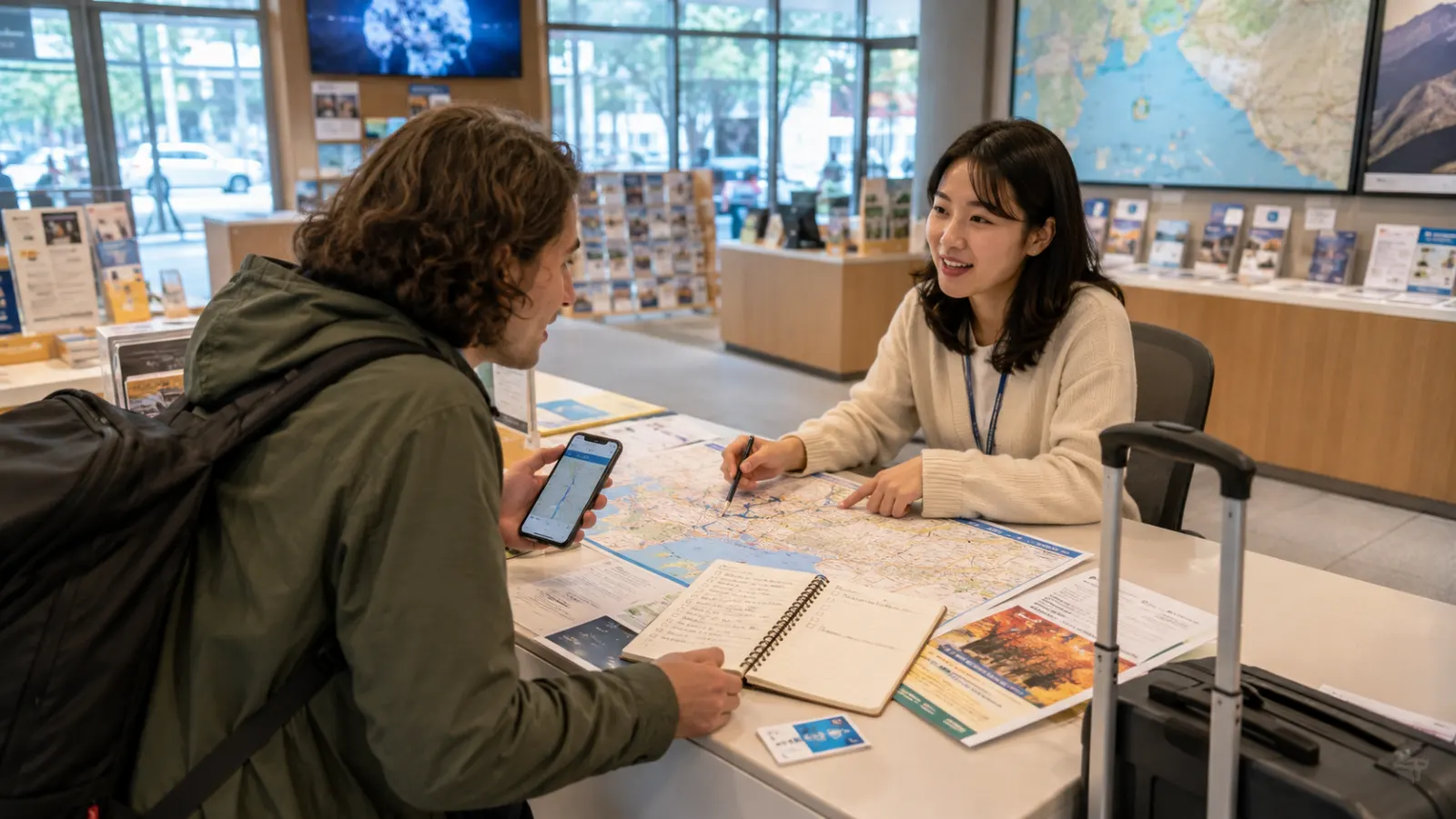
Korean Templestay for Foreign Visitors: How to Choose the Right Program
A Korean Templestay can be a quiet overnight break, an introduction to Buddhist culture, or a structured schedule of meditation, ceremonies, walking, and temple meals. The experience depends heavily on the temple and program type.
Foreign visitors should not book based only on beautiful mountain photographs. Language support, room sharing, early-morning schedules, transportation, clothing, meals, and participation rules can determine whether the stay feels restorative or stressful.
What a Templestay is
Templestay programs allow participants to experience aspects of Korean Buddhist temple life for a limited period. Programs may include meditation, temple tours, tea ceremonies, Buddhist services, communal meals, walking, crafts, or free rest.
The official Templestay platform lists programs across Korea and describes them using categories such as experience-oriented, rest-oriented, and one-day programs. A Templestay is not simply a hotel located inside a temple. Participants are entering a religious community with its own schedule, spaces, and expectations. You do not need to be Buddhist, but respectful participation is important.
Experience-oriented or rest-oriented?
Experience-oriented programs usually include more scheduled activities. These may be suitable for visitors who want to understand temple customs and do not mind early mornings or group participation.
Rest-oriented programs generally provide more free time, although rules and some communal activities may still apply. One-day programs can be better when:
- You have limited time
- You are uncertain about communal sleeping
- You want a cultural introduction
- Early-morning schedules are difficult
- The temple is near your accommodation
Overnight programs are better for people who want a deeper change of pace and are comfortable with simpler facilities. Read the exact timetable rather than relying only on the category name.
Language support
Not every temple offers the same level of English support.
A website may be available in English while the actual program is conducted mainly in Korean. Some temples regularly host international guests and provide English interpretation or English instructions. Others may rely on simple explanations, translated sheets, or bilingual participants.
Ask:
- Is the full program available in English?
- Are ceremonies explained?
- Can dietary or medical information be communicated?
- Is the orientation bilingual?
- Who can help during an emergency?
- Are written rules available in English?
A quiet rest program may require less language support than a detailed meditation or cultural program.
Rooms and privacy
Shared accommodation is common. Room assignments may be separated by gender and may include several participants.
The official Templestay FAQ states that shared rooms are common, while some temples offer private rooms for an additional charge. It also advises visitors to bring personal toiletries, towels, underwear, socks, and extra clothing because provided items vary.
Before booking, confirm:
- Shared or private room
- Number of occupants
- Bathroom location
- Bedding
- Heating or cooling
- Lock or storage
- Gender policy
- Family arrangement
- Accessibility
A private-room option may still use shared bathrooms. Travelers who require complete silence or hotel-level privacy should adjust expectations.
Early mornings
Temple schedules can begin before sunrise. Morning ceremonies may be optional at one temple and expected at another. Some programs include meditation, walking, chanting, or preparation before breakfast. Read the timetable carefully. Do not assume you can sleep until hotel checkout time.
If you have a sleep condition, mobility limitation, medication schedule, or health issue, contact the temple before booking. A rest-oriented program may be more suitable.
Clothing
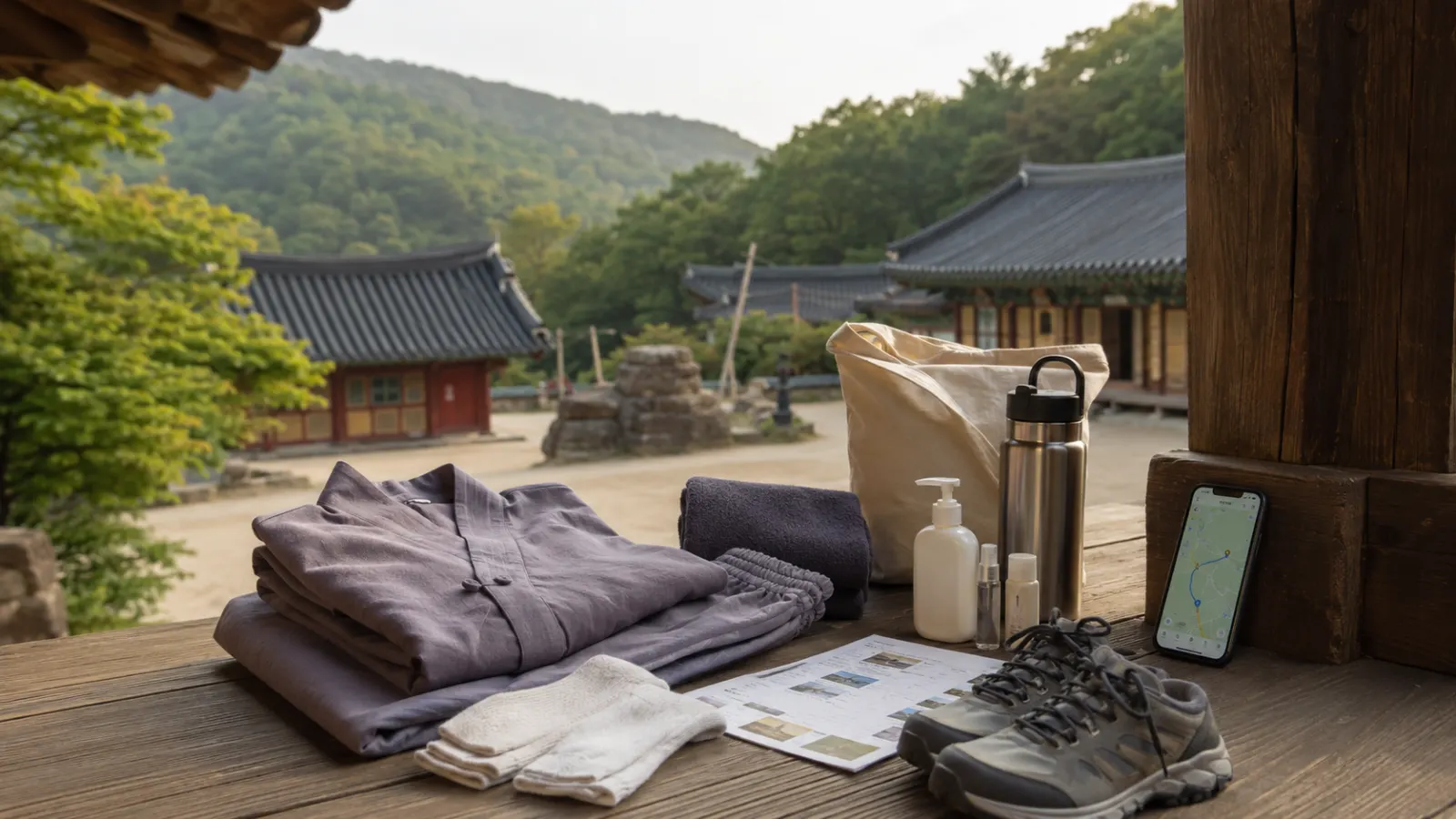
Temples commonly provide a simple vest and pants for participants. You may still need suitable clothing underneath and additional layers. Bring:
- Modest shirt
- Underwear
- Socks
- Comfortable walking shoes
- Warm layer
- Rain protection
- Sleepwear if needed
- Seasonal outdoor clothing
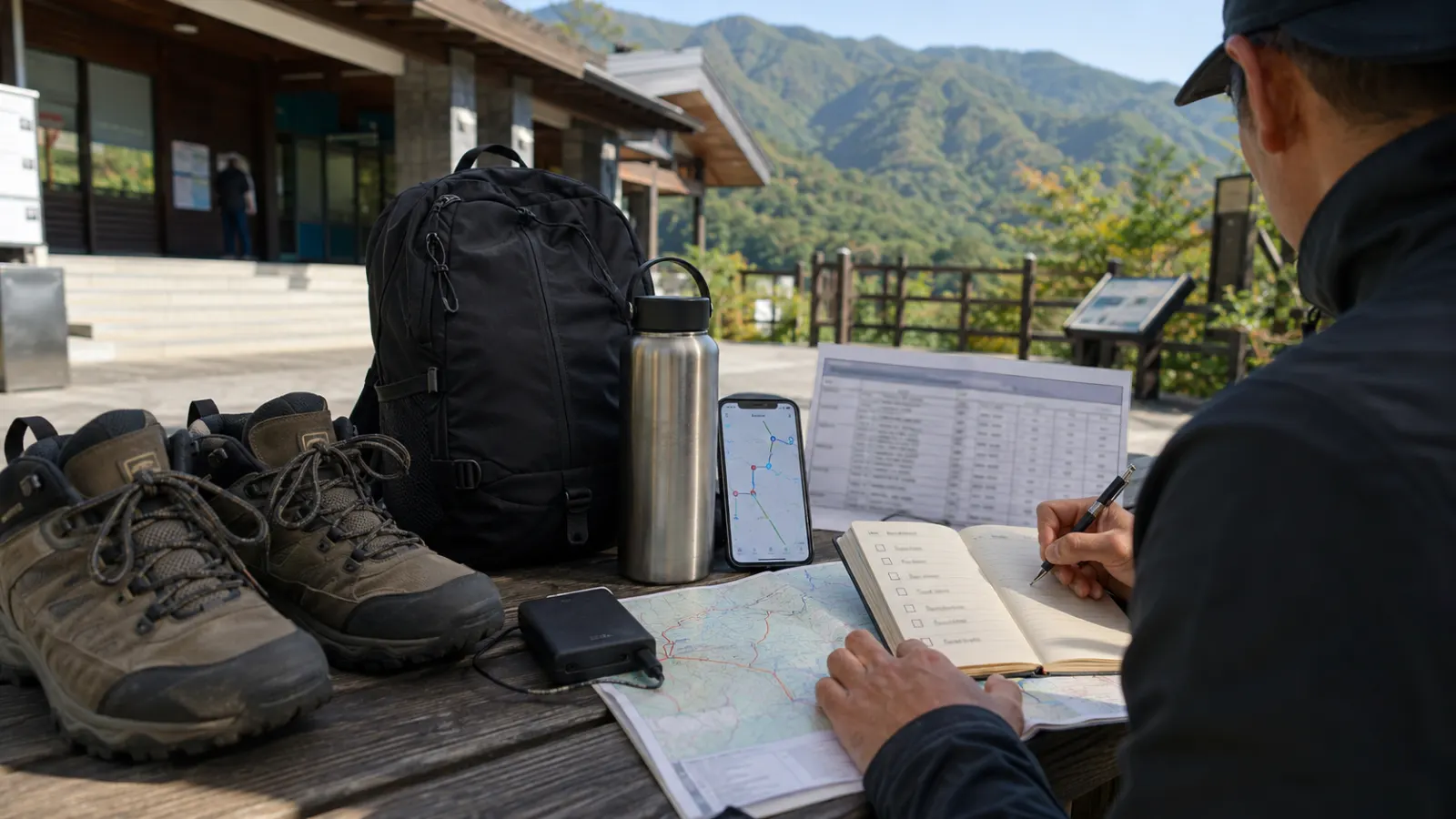
Mountain temples can be colder than nearby cities, especially at night and early morning. Official program pages often advise bringing outerwear, toiletries, towels, socks, and appropriate shoes.
Avoid sleeveless or very revealing clothing. Ask about sizing when booking if temple clothing is provided.
Meals and dietary needs
Temple food is generally plant-focused and avoids many ingredients associated with ordinary restaurant cooking. However, individual allergies and dietary restrictions still need to be discussed.
Do not assume every meal is automatically suitable for:
- Severe allergies
- Gluten-free diets
- Vegan certification requirements
- Low-sodium diets
- Medical diets
- Children with limited food tolerance
Temples may have limited ability to prepare individual alternatives. Bring approved personal snacks only after checking the rules. Outside food may be restricted. Participants are often expected to avoid wasting food and clean their eating area according to instructions.
Transportation
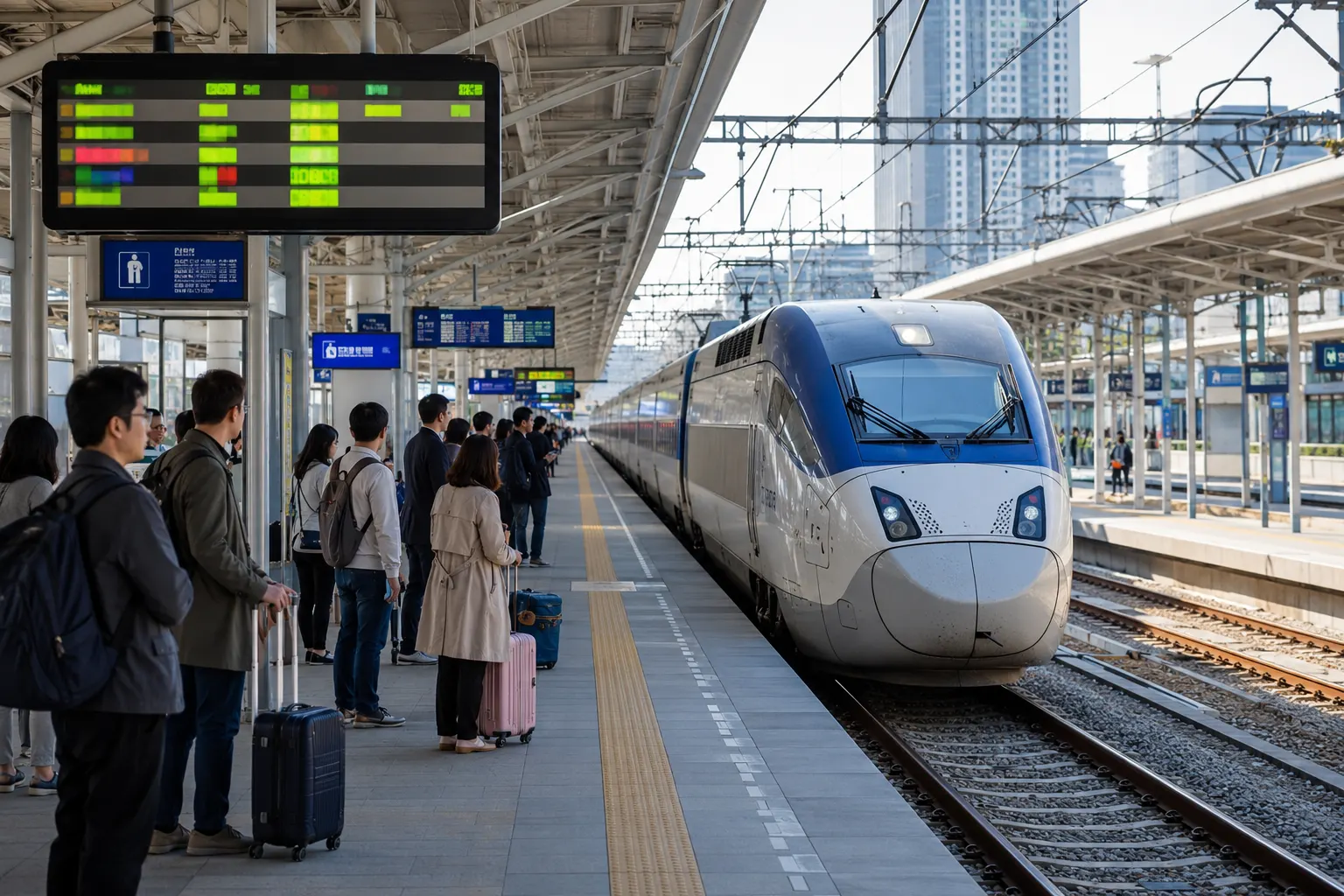
Some temples are easy to reach by subway or city bus. Others require an intercity bus, rural bus, taxi, or long uphill walk. Check the complete route:
- City of departure
- Train or intercity bus
- Local bus
- Final walking distance
- Last departure time
- Taxi availability
- Return transportation
Do not plan to arrive exactly at check-in time. Rural transport can be infrequent, and the temple may not have staff available to collect late arrivals. Save the temple name, address, and phone number in Korean.
Etiquette
Basic expectations include:
- Speak quietly in religious areas
- Follow photography restrictions
- Remove shoes where instructed
- Arrive on time
- Avoid alcohol and smoking
- Keep phones silent
- Dress modestly
- Do not interrupt ceremonies
- Treat monks, staff, and participants respectfully
- Follow sleeping-area rules
You may be taught a Buddhist bow or ceremony routine. Participation requirements vary. Ask politely when a religious action conflicts with your personal beliefs. Respectful observation may be possible in some situations, but this should be discussed rather than assumed.
Cancellation and program changes
Cancellation rules are set by the program or temple and can differ. Weather, temple ceremonies, participant numbers, or local conditions may also change the schedule. Before paying, check:
- Refund deadlines
- Change procedure
- Minimum participant rule
- Weather cancellation
- Missed check-in
- Private-room fee
- Meal inclusion
- Transportation responsibility
Contact the temple directly when changing a reservation, as advised by the official Templestay FAQ.
Choosing the right Templestay
Choose a city temple when transportation, English access, or a one-day experience matters most. Choose a mountain temple when nature and distance from urban life are central to your goal. Choose an experience program when you want structure and cultural learning.
Choose a rest program when you mainly want quiet time. The best Templestay is not necessarily the most famous temple. It is the program whose schedule, language, room, physical demands, and transport fit you.
Quick Summary
- Templestay programs range from one-day visits to structured overnight and rest-oriented stays.
- Confirm English support, room sharing, schedule, meals, transportation, and physical demands.
- Bring toiletries, towels, socks, modest clothing, walking shoes, and seasonal layers unless the temple confirms otherwise.
- Treat the stay as participation in a religious community, not ordinary hotel accommodation.