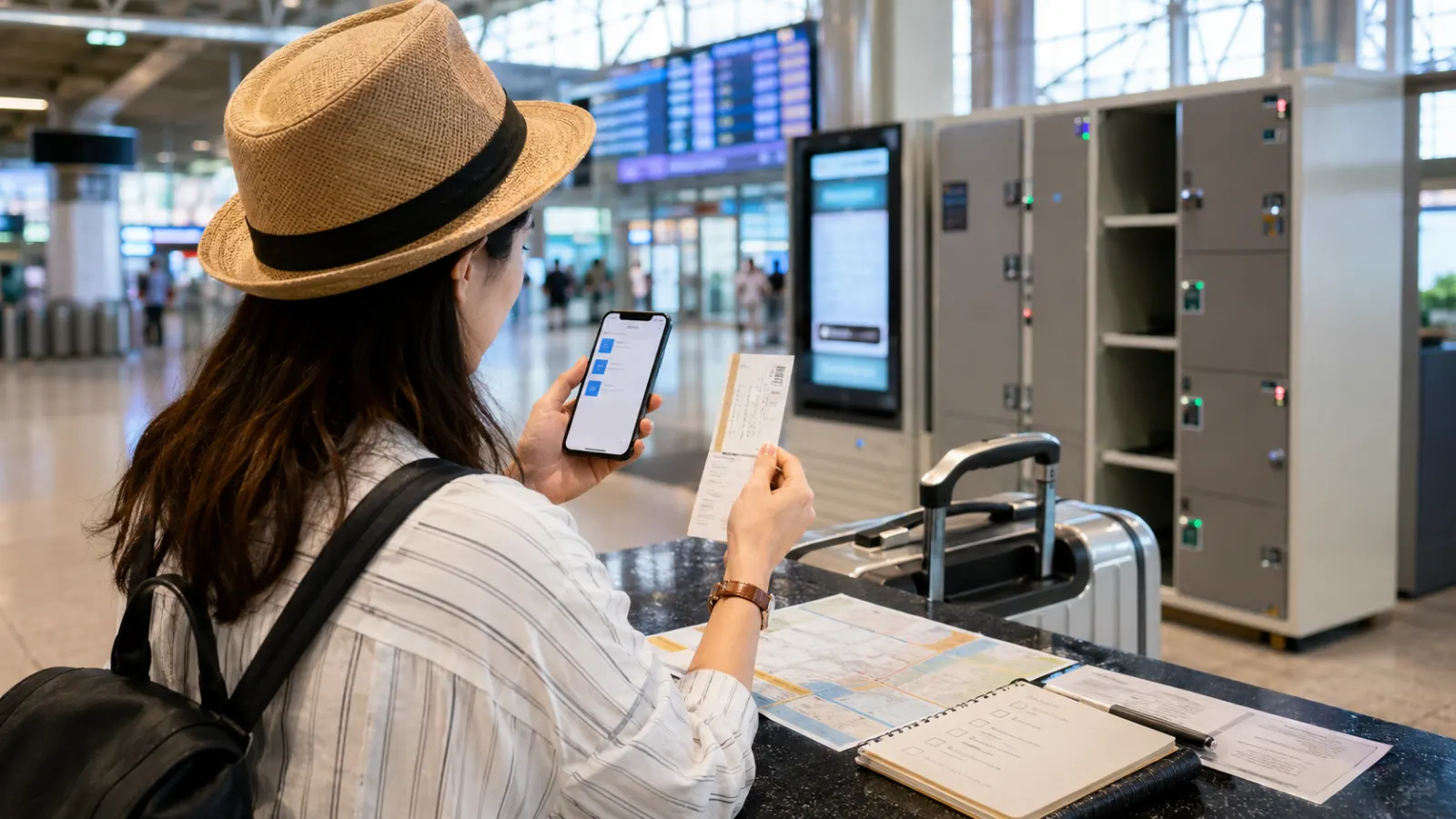
Using Korean Tourist Information Centers: What Foreign Visitors Can Ask For
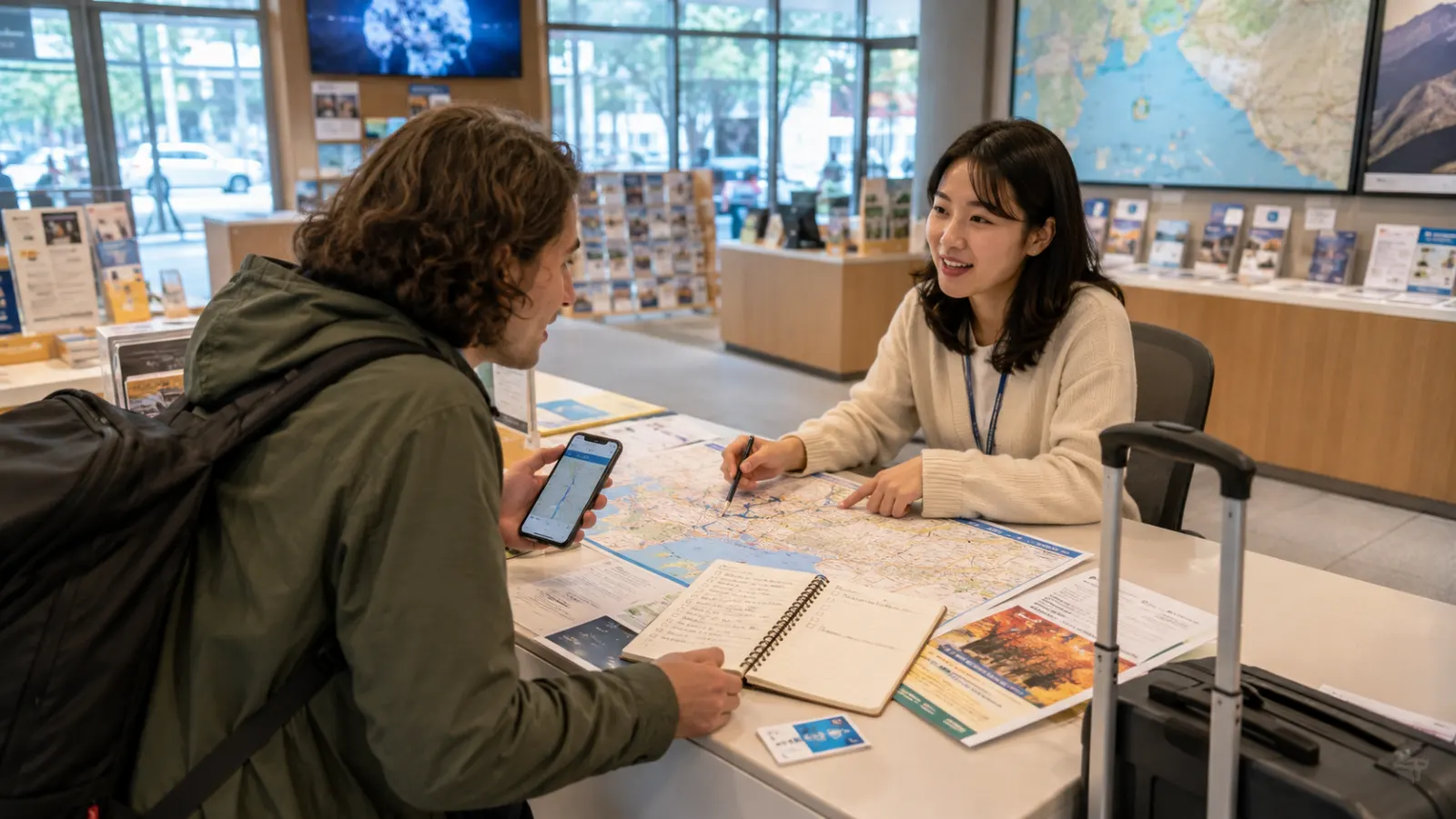
Tourist information centers in Korea are easy to overlook because many travelers rely entirely on map apps, blogs, and translation tools. However, an in-person information desk can solve problems that online searches do not handle well, especially when transportation changes, tickets sell out, local festivals affect traffic, or a destination has limited English information.
These centers can be particularly useful in airports, major train stations, popular tourist districts, regional bus terminals, and historic areas.
What a tourist information center can help with
The exact services differ by location, but staff may be able to help with:
- Local maps
- Public transportation directions
- Attraction opening information
- Festival schedules
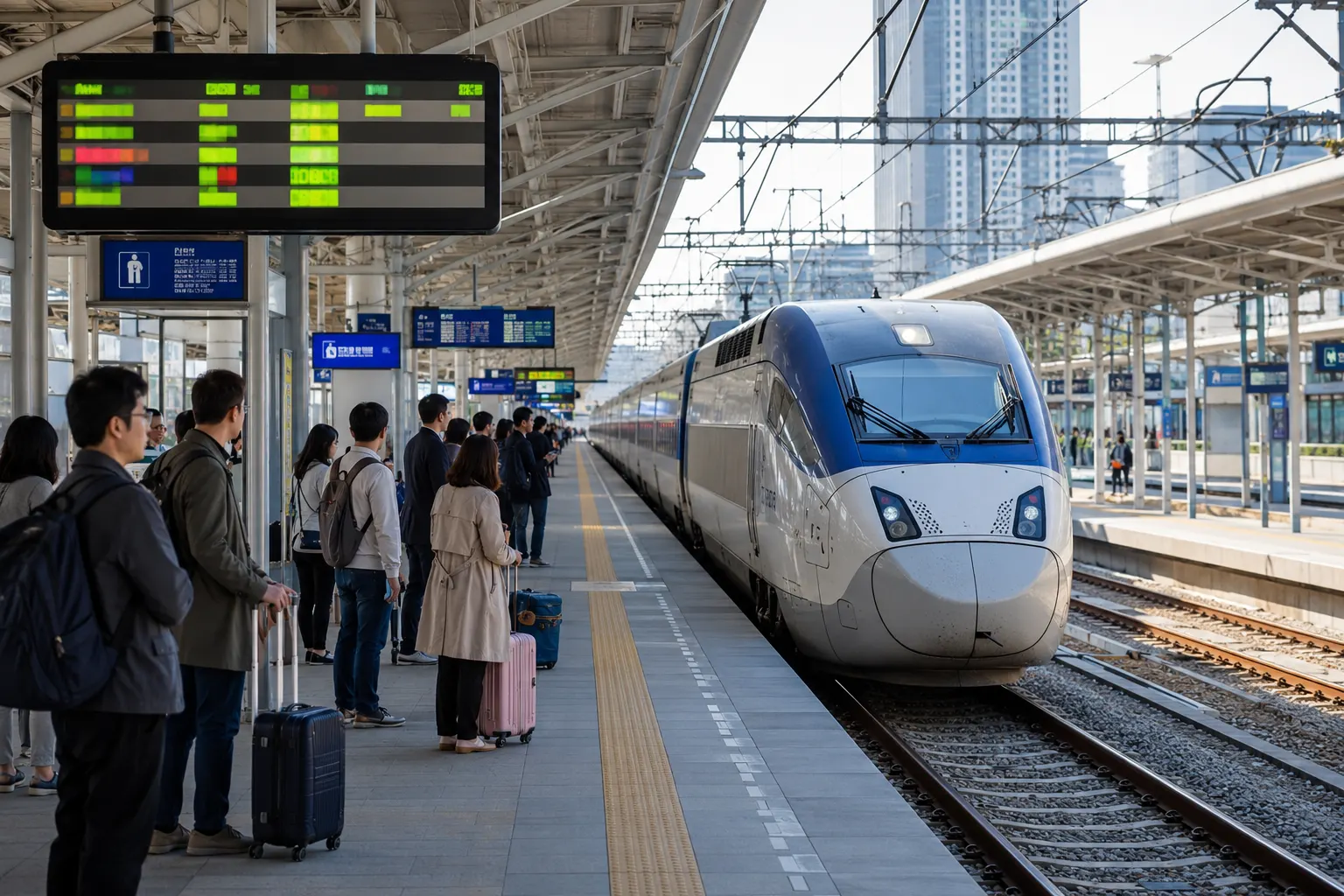
- Bus and train connections
- Hotel and guesthouse information
- Local restaurant suggestions
- Accessibility questions
- Lost-property guidance
- Emergency contact information
- Interpretation support
- Regional travel planning
A center in central Seoul may focus on subway routes and major attractions. A smaller regional center may know more about local buses, seasonal closures, walking trails, and village transport.
Do not assume every desk sells tickets. Some centers provide information only, while others may assist with reservations or explain where to complete them.
Where to find one
Tourist information centers are commonly located near:
- International airports
- KTX stations
- Major subway stations
- Bus terminals
- Traditional markets
- Palace districts
- Popular beaches
- National parks
- Historic villages
- Regional tourism hubs
Useful Korean search terms include:
- 관광안내소: tourist information center
- 관광정보센터: tourism information center
- 여행자센터: traveler center
Search with the destination name in Korean when English results are limited. A center listed online may have seasonal hours or may move during construction, so check the latest map listing before making a special trip.
Language support varies
Major centers may provide English, Japanese, Chinese, or other language support. Smaller locations may depend mainly on Korean-speaking staff with limited foreign-language ability. Even when fluent English is unavailable, staff can often help using:
- Printed maps
- Translation apps
- Written Korean addresses
- Timetables
- Phone calls to local businesses
- Visual route explanations
Prepare the destination name, hotel address, and key questions on your phone. A short, specific question works better than asking, “What should I do today?” For example:
“I need to reach this temple without a car.” “What is the last bus back to the city?” “Is this trail open after heavy rain?”
Local transportation is one of the best reasons to visit
Online route tools work well in major cities, but rural and seasonal transportation can be harder to confirm. A tourism center may help explain:
- Infrequent village buses
- Shuttle buses
- Festival transport
- Last departure times
- Taxi availability
- Temporary road closures
- Ferry connections
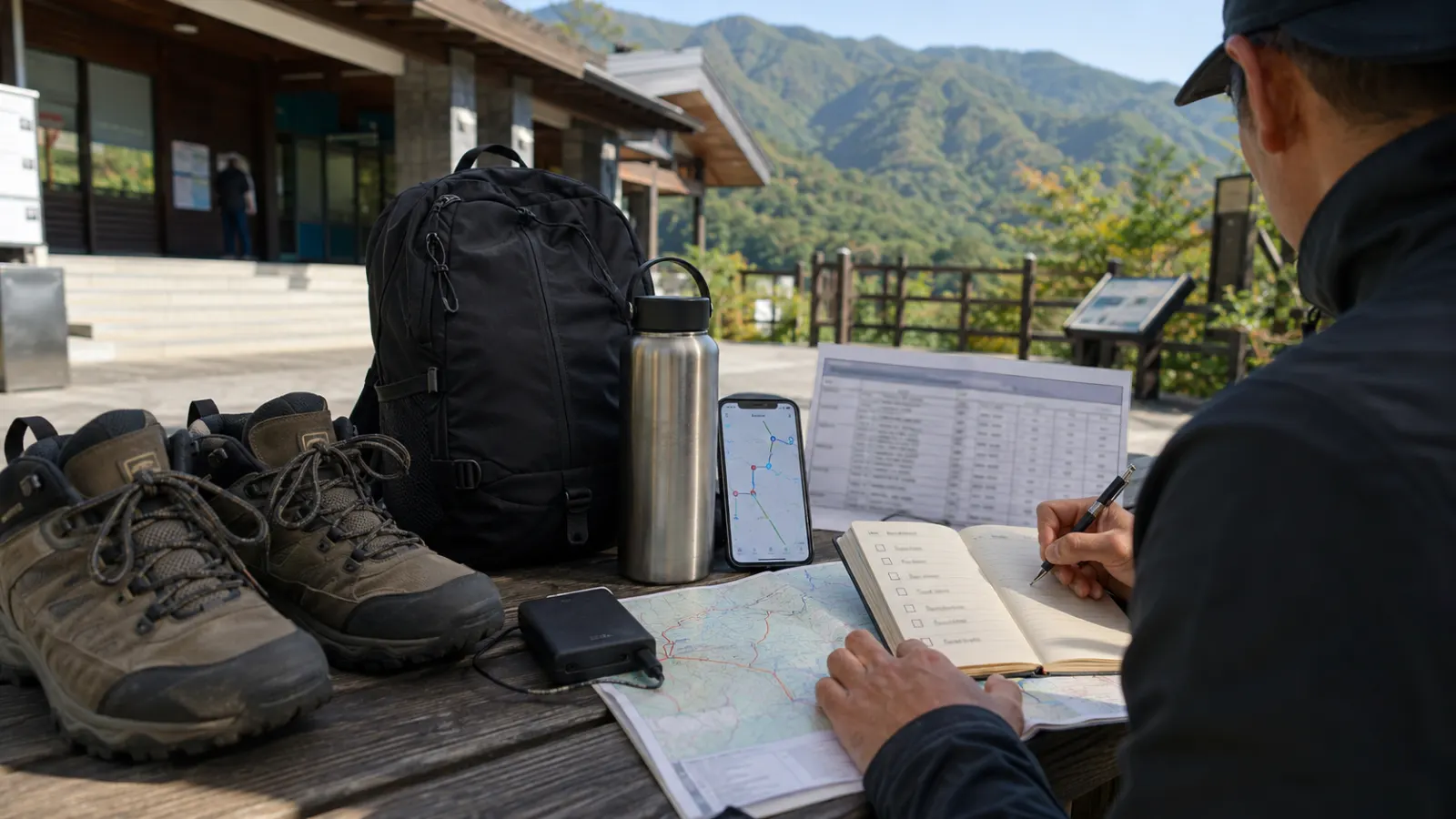
- Trailhead access
- Which side of the terminal to use
This is especially important when visiting islands, mountains, coastal villages, temples, and county-level destinations. Ask about the return journey before leaving the center. Reaching a place is only half of the plan.
Maps can be more useful than they appear
Printed tourist maps often include details that are difficult to see in a general map app. They may show:
- Walking routes
- Public restrooms
- Luggage storage
- Tourist buses
- Cultural sites
- Local markets
- Scenic viewpoints
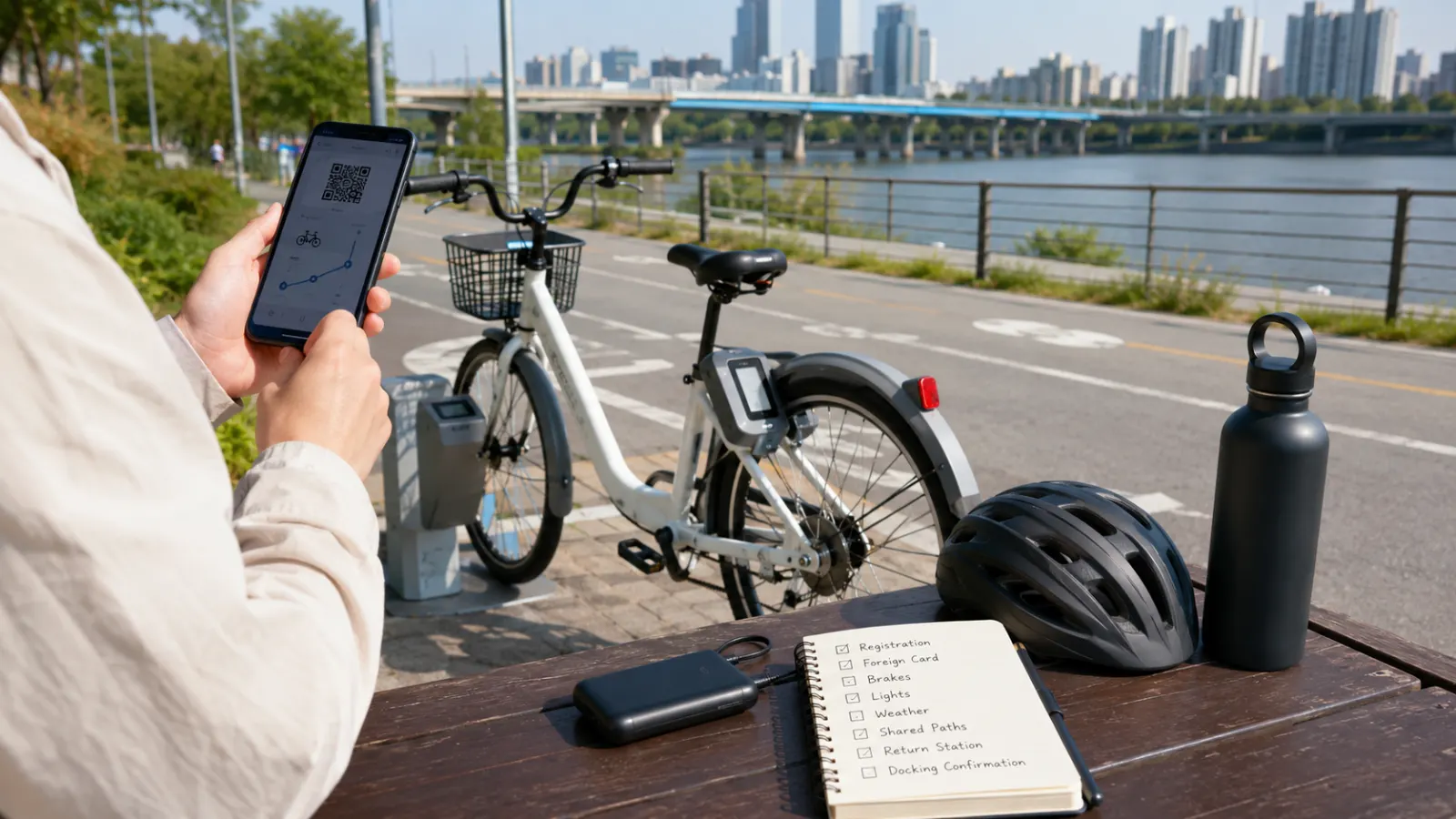
- Bicycle paths
- Information desks
- Accessible routes
- Emergency facilities
Take a photo of the relevant section in case the paper map is lost. When traveling with older family members, children, or large luggage, ask the staff to mark elevators, steep roads, stairs, and long walking sections.
Festival and event information
Regional festivals can change transportation, opening hours, accommodation availability, and crowd levels. Tourist information staff may know:
- Event dates
- Performance times
- Temporary shuttle buses
- Road closures
- Ticket requirements
- Fireworks viewing areas
- Parking restrictions
- Rain plans
- Crowd-control routes
Do not assume that every festival is held at one clearly marked venue. Some events spread across several streets or neighborhoods. Ask which station, gate, or entrance is most practical.
Help with accommodations
A tourism center may provide local accommodation lists or explain the difference between nearby areas. Staff may not be able to guarantee quality, availability, or refund terms, but they can help identify:
- Hotels
- Guesthouses
- Hanok stays
- Pension-style accommodation
- Youth hostels
- Camping sites
- Temple stays
- Tourist-standard lodging
When requesting help, state your budget, number of guests, preferred location, and whether you need parking, an elevator, or late check-in. Do not hand over payment information to an unofficial person claiming to represent the center. Complete reservations through a verified property or recognized booking channel.
Interpretation and phone assistance
Some centers may help make a simple phone inquiry to a local attraction, restaurant, accommodation, or transportation provider. Possible questions include:
- Is the attraction open?
- Is a reservation required?
- Is luggage allowed?
- Is parking available?
- Can a foreign card be used?
- Is an English tour offered?
- Is the final bus operating?
This assistance is valuable when the business has no English website. Keep the request reasonable. Staff may not be able to negotiate refunds, handle disputes, or act as a full personal interpreter.
Lost property and emergencies
A tourist information center is not a police station or medical facility, but staff may direct you to the correct service. They may help identify:
- Nearby police station
- Lost-and-found office
- Hospital or clinic
- Pharmacy
- Embassy contact route
- Transportation operator
- Emergency number
- Insurance documentation process
When reporting a lost item, prepare:
- Item description
- Time and location
- Transportation route
- Receipt or ticket
- Phone number
- Photograph of the item
- Serial number where relevant
The faster and more specific the report, the better the chance of tracing it.
Accessibility and family travel
Travelers with mobility needs should ask more detailed questions than simply whether a place is “accessible.” Confirm:
- Elevator availability
- Slope and distance
- Wheelchair rental
- Accessible restroom
- Step-free entrance
- Bus boarding conditions
- Rest areas
- Stroller access
- Closing time for elevators
- Assistance reservation
A site may be technically accessible but still involve a long uphill route. Families should ask about nursing rooms, stroller rental, children’s programs, and age restrictions.
What staff cannot guarantee
Information-center staff can provide guidance, but they do not control every service. Schedules can change because of:
- Weather
- Traffic
- Sold-out tickets
- Operator decisions
- Maintenance
- Safety inspections
- Local events
- Staffing
- Seasonal operations
Treat the advice as the best available guidance, then confirm critical details with the operating company when possible. For flights, trains, ferries, and timed reservations, the operator remains the final source.
A practical way to use the center
Prepare three things before visiting:
- Your destination or problem
- Your available time
- Your transportation limitations
Then ask direct questions. For example: “I have four hours before my train. I need luggage storage and one nearby indoor attraction.”
“I am staying here and need to reach this hiking trail without a car.” “My ferry was canceled. What is the next transport option and where can I stay?” This gives staff enough context to provide useful advice.
Quick Summary
- Korean tourist information centers can help with local transport, maps, events, accommodations, and practical travel problems.
- Regional centers may know rural buses and seasonal changes better than general map apps.
- Prepare Korean destination names and ask specific questions.
- Confirm critical tickets and schedules with the actual operator when possible.