Renting a Car in Korea: What Foreign Drivers Should Check Before Booking
Public transportation is the easiest choice for many trips in Korea, but a rental car can be useful for rural coastlines, mountain areas, family travel, golf trips, and destinations with limited bus service. The difficulty is not only driving. Foreign travelers must also confirm that their license documents, age, payment card, insurance, vehicle size, and pickup location satisfy the rental company’s rules.
Do not book based only on the lowest daily price. The cheapest listing can become expensive after insurance, tolls, fuel, parking, additional-driver fees, and damage charges are added.
Confirm that your license documents are accepted
Before reserving, ask the rental company exactly which documents it accepts for your nationality and license type. A company may request some combination of:
- Passport
- Valid home-country driver’s license
- International Driving Permit
- Korean driver’s license
- Certified translation where applicable
- Credit card in the main driver’s name
- Minimum driving-experience period
- Minimum age
An International Driving Permit is not the same as an ordinary translation or an unofficial international driver card sold online. Rules can depend on the issuing country and international conventions. Confirm acceptance with the rental company and a current official authority before traveling. Bring original documents. A photograph or digital copy may not be accepted at pickup.
Rental-company rules can be stricter than legal eligibility
Even when a person is legally permitted to drive, a rental company may impose additional conditions. These may include:
- Higher minimum age
- Minimum time since license issuance
- Restrictions for large vehicles
- Restrictions for luxury cars
- Additional deposit
- Credit-card requirement
- Limited branch availability
- Refusal of some temporary licenses
- No same-day verification
Read the company’s driver requirements before paying.
A third-party booking platform may accept the reservation without confirming that the local branch will release the car. Contact the actual operator when your documents or nationality require clarification.
Choose a manageable vehicle
Korean roads range from wide expressways to narrow village lanes, steep parking garages, crowded market streets, and tight apartment entrances. A large SUV may feel comfortable on a highway but become difficult in:
- Underground parking
- Jeju village roads
- Traditional neighborhoods
- Mountain accommodations
- Small restaurant parking lots
- City-center garages
Choose the smallest vehicle that safely fits the passengers and luggage. Check trunk size rather than assuming every passenger’s suitcase will fit. Leaving luggage visible inside the car is not ideal. For winter mountain travel, ask about tires, chains, and weather-related equipment.
Understand the insurance options
Rental prices may include basic coverage while excluding or limiting damage to certain areas. Ask for a written explanation of:
- Collision damage coverage
- Deductible or excess
- Damage-waiver conditions
- Tire and wheel damage
- Glass
- Undercarriage
- Roof damage
- Interior damage
- Towing
- Lost key
- Single-vehicle accident
- Damage caused by an unauthorized driver
- Business interruption or loss-of-use charge
A “full coverage” label on a booking page may not have the meaning you expect. Read the exclusions. If your travel credit card offers rental coverage, confirm whether it applies in Korea, which vehicle types are excluded, and what documents are required for a claim.
Inspect the car before leaving
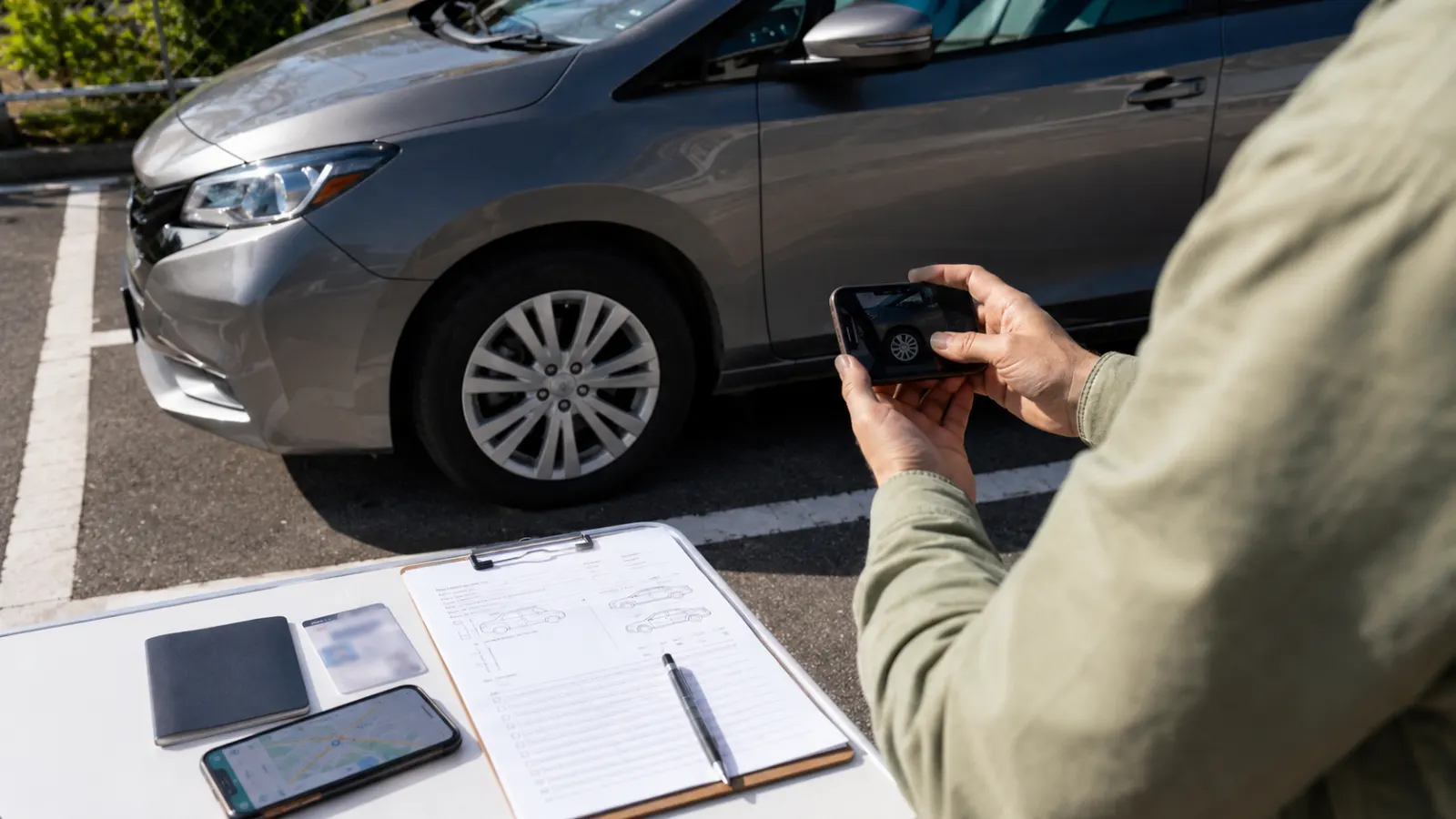
Do not rush through pickup. Photograph or film:
- Every side of the vehicle
- Bumpers
- Wheels
- Windshield
- Roof
- Mirrors
- Interior
- Fuel or battery level
- Odometer
- Warning lights
- Existing stains
- Emergency equipment
Make sure existing damage appears on the rental record. Test the headlights, indicators, wipers, navigation, parking brake, reverse camera, and charging cable if the vehicle is electric. Ask the staff to explain controls you do not recognize. Searching for the wiper or hazard-light switch during heavy rain is unsafe.
Navigation requires planning
Korean navigation apps and built-in car systems may work better with Korean addresses than English business names. Save destinations in Korean before driving. Useful details include:
- Full road address
- Phone number of the destination
- Parking-lot entrance
- Accommodation name in Korean
- Nearby landmark
- Charging station
- Fuel station
- Rental return location
Do not adjust navigation while the car is moving. A passenger should manage it, or the driver should stop safely. Some roads, parking areas, and ferry routes may not appear exactly as expected in foreign map apps.
Tolls and expressways
Korean expressways use toll systems. A rental car may have an electronic toll device, or the driver may need to use another payment method. At pickup, ask:
- Does the car have a toll device?
- Is a toll card already inserted?
- How are tolls charged?
- What lane should I use?
- What happens if the device fails?
- Are unpaid tolls deducted later?
Do not enter an electronic-only lane unless you understand how the car is equipped. Keep toll receipts when paying manually.
Parking can cost more than expected
Parking is a major part of driving in Korean cities. Before leaving, check whether each destination has:
- On-site parking
- Paid public parking
- Mechanical parking
- Height limits
- Reservation requirements
- Overnight access
- Closing time
- Validation
- Electric-vehicle restrictions
Some hotels advertise parking but have limited spaces or accept only smaller cars. Mechanical parking systems may reject SUVs, vans, or vehicles with roof equipment. Never block an entrance or park based only on seeing other cars in the area. Local enforcement and towing can create a much larger problem than a parking fee.
Fuel and electric charging
Confirm whether the rental uses gasoline, diesel, LPG, hybrid power, or electricity. Using the wrong fuel can cause serious damage. Ask the staff to mark the fuel type clearly. Photograph the fuel gauge and return requirement.
For an electric vehicle, plan charging before traveling to remote areas. Check:
- Connector type
- Charging-card access
- App or membership requirement
- Charging speed
- Accommodation charging
- Return battery requirement
- Idle fees
A foreign payment card may not work at every charger, so ask the rental company how customers normally pay.
Accidents and breakdowns
Save the rental company’s emergency number before driving. If an accident occurs:
- Stop safely.
- Check for injuries.
- Contact emergency services when necessary.
- Notify the rental company immediately.
- Photograph the scene and damage.
- Exchange required information.
- Follow instructions about towing or repair.
- Do not privately settle a serious incident without understanding the consequences.
Insurance may require prompt reporting. Do not continue driving when warning lights, a flat tire, overheating, brake problems, or serious damage make the vehicle unsafe.
Additional drivers must be registered
Do not allow a friend or family member to drive unless the person is accepted and registered by the rental company. An unauthorized driver can create major insurance problems even if that person has valid license documents. Add every planned driver at pickup and confirm any fee.
The main renter should also understand whether the payment card and driver name must match.
Returning the vehicle
Before return:
- Refill or recharge as required
- Remove belongings
- Photograph the vehicle
- Check operating hours
- Confirm the exact return branch
- Allow time for inspection
- Keep fuel receipts
- Save the final statement
- Ask when any deposit will be released
Airport returns may require a shuttle or off-site branch. Do not assume the car is returned inside the terminal. An after-hours drop box can be convenient, but you may not be present when the final inspection happens. Take detailed photos and video.
When renting is not worth it
A rental car may be a poor choice when:
- You are staying mainly in central Seoul
- Parking is unavailable
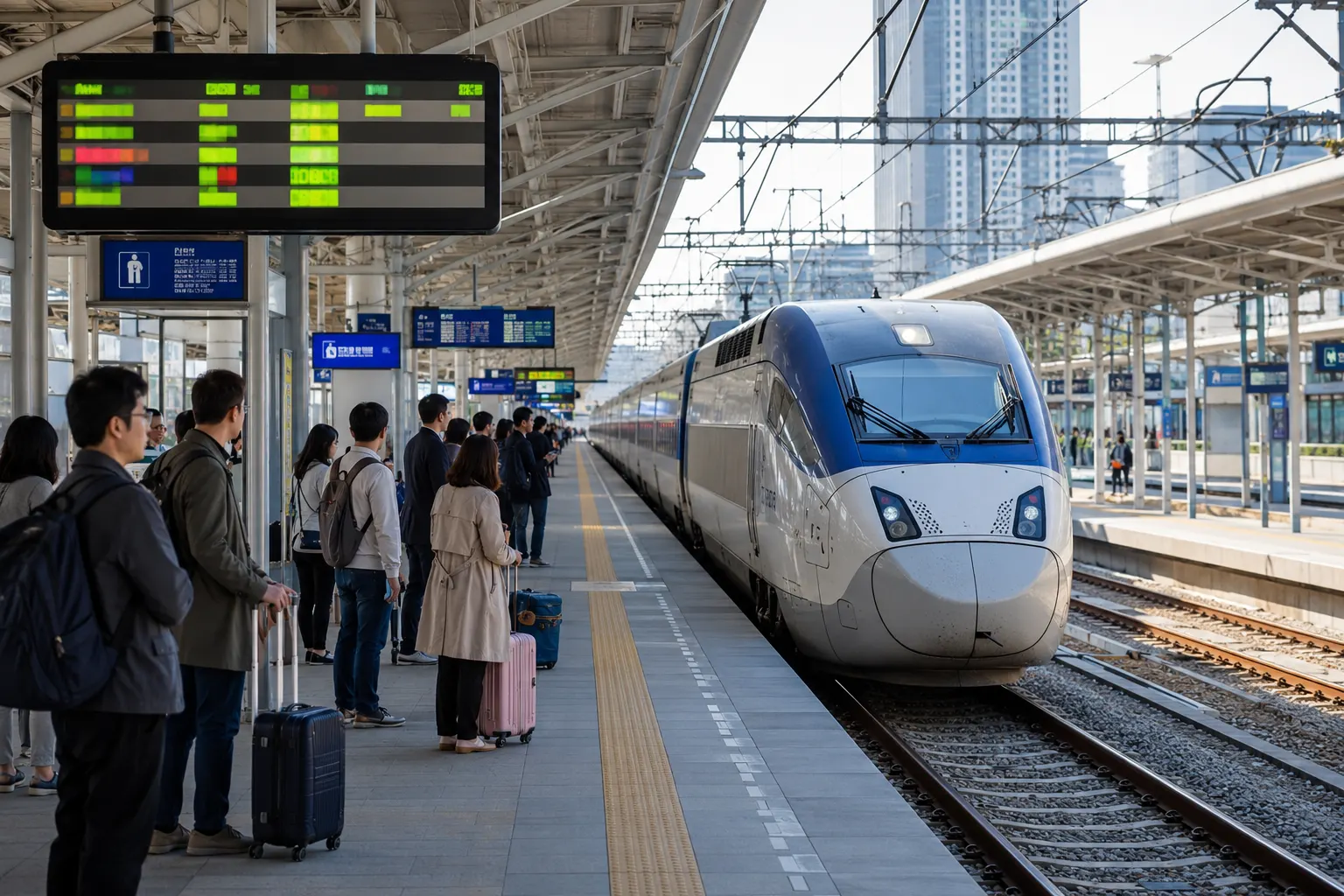
- The trip follows a KTX route
- Only one rural transfer is difficult
- You are uncomfortable with local signs
- You plan to drink alcohol
- Weather conditions are severe
- The driver is tired after a long flight
A train, express bus, taxi, or one-day local tour may cost less after all expenses are included. Rent a car because it improves the itinerary, not because driving appears cheaper on the booking page.
Quick Summary
- Confirm accepted license documents directly with the rental company before booking.
- Compare insurance exclusions and deductibles, not only the daily rental price.
- Photograph the car, fuel level, wheels, glass, and existing damage at pickup and return.
- Include tolls, parking, fuel, additional drivers, and rural charging access in the total cost.