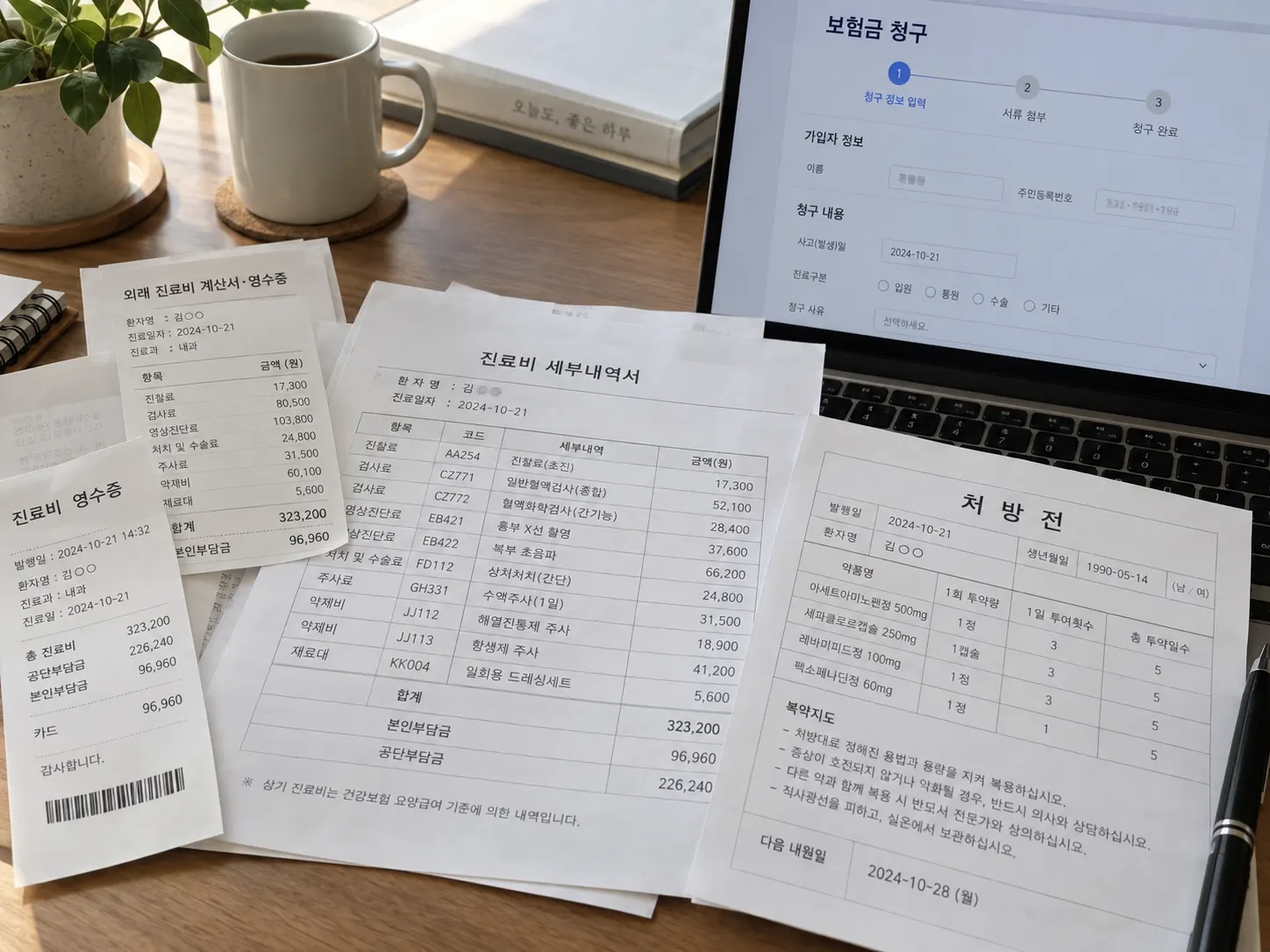
How Korean Blood Donation and Health Screening at Donation Centers Work
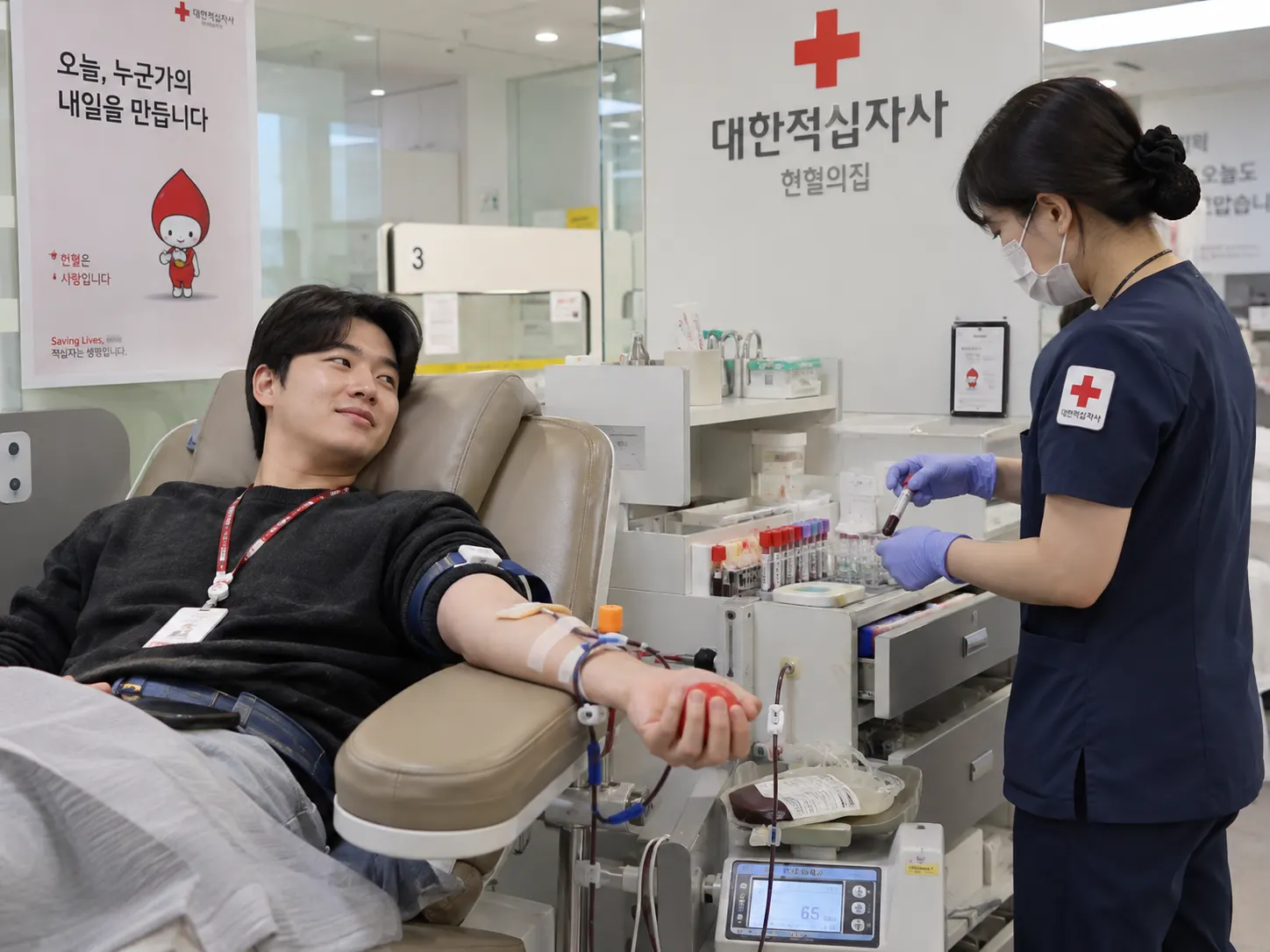
If you want to give blood in Korea, the process is organized and welcoming, though the eligibility rules are stricter than some visitors expect. Blood donation in Korea is run through donation centers and mobile buses, and foreign residents can generally donate if they meet the health and residence conditions. Knowing the rules in advance avoids a wasted trip.
This is general information, not medical advice. Staff make the final eligibility decision.
The Quick Answer: Who Can Donate
Eligibility usually includes:
- Age within the allowed range, commonly from the late teens up to the mid-60s, with extra conditions at the edges
- A minimum body weight
- Good general health on the day, with a normal blood pressure and hemoglobin level
- A suitable gap since your last donation
Donors must also pass a health questionnaire. Travel history, medication use, recent illness, surgery, tattoos, and certain medical conditions can lead to a temporary or permanent deferral, so be ready to answer honestly.
Where to Donate
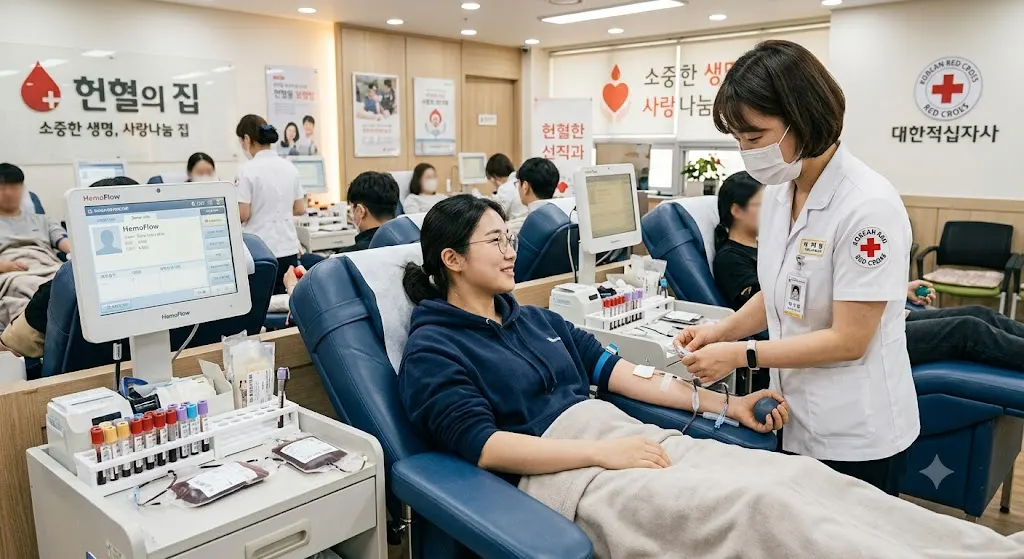
Donation centers (헌혈의 집) operate in major cities, and blood donation buses visit universities, offices, and public places. Opening hours vary, and some centers take appointments, so check before you go. Use the Korean Red Cross blood service channels to find locations.
What to Bring
- ID, such as your ARC or passport, since you must be identified
- A completed questionnaire, usually done at the center
- A meal beforehand, and water
Language support varies, so bring a translation app and read questions carefully.
What Happens on the Day
- Registration and ID check
- Health questionnaire and a short interview
- A quick check of blood pressure, pulse, and a finger-prick for hemoglobin
- The donation itself, which usually takes about ten to fifteen minutes for whole blood
- A rest period with a snack and drink
Plan to take it easy for the rest of the day, avoid heavy exercise, and drink water.
Rewards and Benefits
Donation centers often give small thank-you gifts, such as snacks, movie vouchers, or points. Donors receive a record of their donations, and the health screening provides some basic readings, though it is not a full medical check-up.
Safety Notes
If you feel dizzy afterward, sit or lie down and tell staff. Donation is not a diagnostic test, so do not use it as a substitute for medical care.
Common Mistakes
- Skipping a meal first. It raises the chance of feeling faint.
- Forgetting ID. You may be turned away.
- Not checking travel or medication rules. They can defer you.
- Overdoing activity afterward. Rest and hydrate.
Quick Summary
- Foreign residents can generally donate blood in Korea at donation centers or on buses if they meet age, weight, and health requirements.
- Bring ID, eat beforehand, and answer the health questionnaire honestly, since travel and medication history may cause deferrals.
- Whole blood donation takes about fifteen minutes, followed by a rest period and a small thank-you gift.
- Take it easy after donating, and use medical clinics for health concerns rather than relying on donation screening.