How to Get Medical Receipts and Documents for Overseas Insurance Claims in Korea
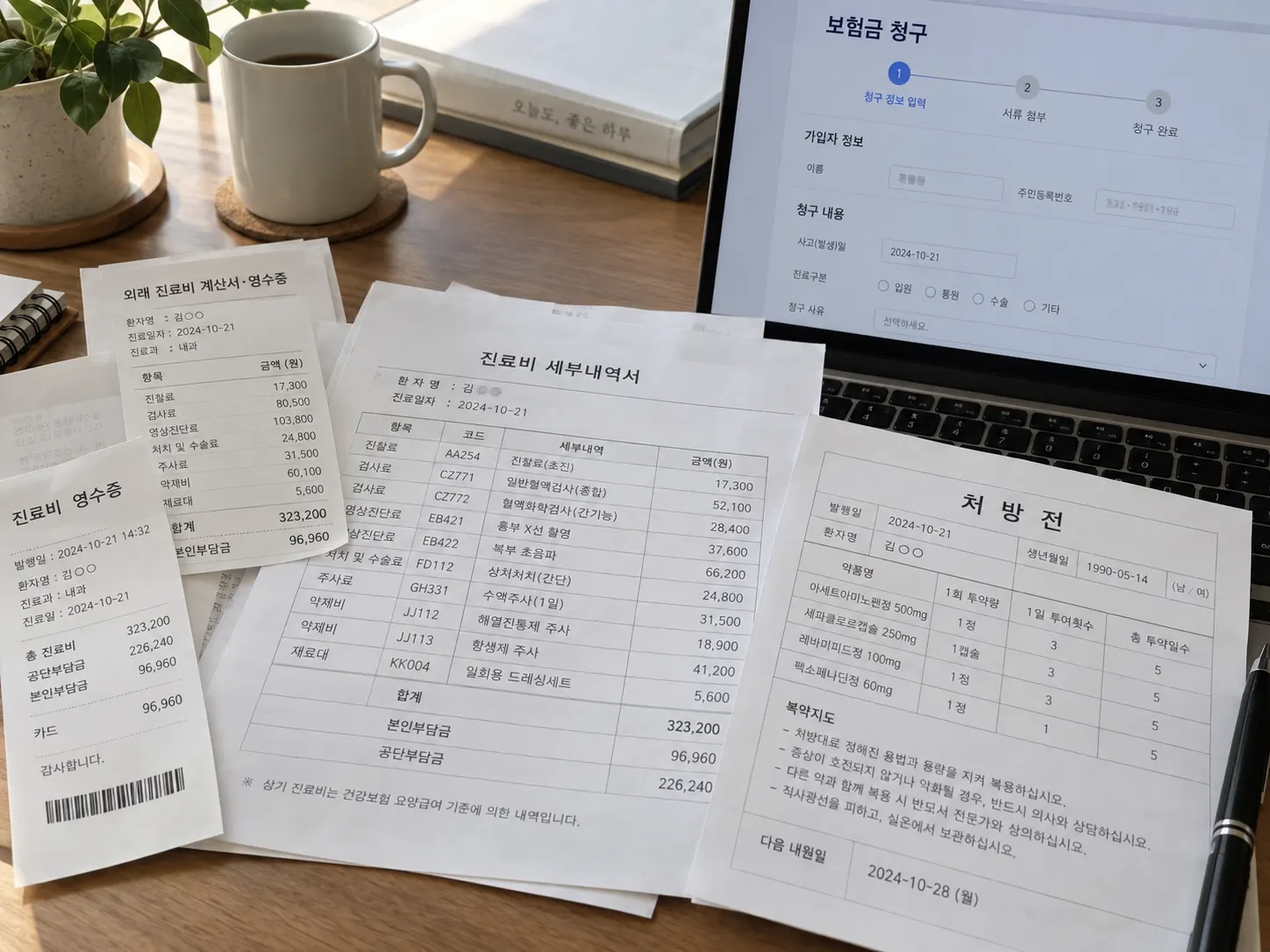
If you carry travel insurance or private coverage from your home country, you may need Korean medical paperwork to get reimbursed. The documents insurers most often ask for are an itemized bill, a payment receipt, a doctor's diagnosis, and a prescription record. Asking for the right ones at the time of treatment is much easier than trying to collect them weeks later.
This is general information, so confirm what your own insurer requires.
The Quick Answer: What to Ask For
Most overseas insurers want some combination of:
- Payment receipt (진료비 영수증): proof of what you paid
- Itemized statement (진료비 세부내역서): a line-by-line list of treatments, tests, and drugs
- Medical certificate or diagnosis (진단서): a doctor's statement of your condition, usually issued for a fee
- Prescription and pharmacy receipt (처방전, 약제비 영수증) if medication was involved
- Proof of admission and discharge dates for hospital stays
Ask your insurer before your visit which of these they require and whether they need them in English.
Where and How to Request Them
Clinics and hospitals can issue receipts and itemized statements at the payment desk, often immediately. The diagnosis certificate usually takes a separate request and a fee. At large hospitals, the international clinic or patient services desk can help and often provides English documents, though that may cost extra.
Smaller clinics may only provide Korean documents. You can then arrange a translation, and some insurers accept translations you provide, while others prefer an official one.
Key Tips to Avoid Delays
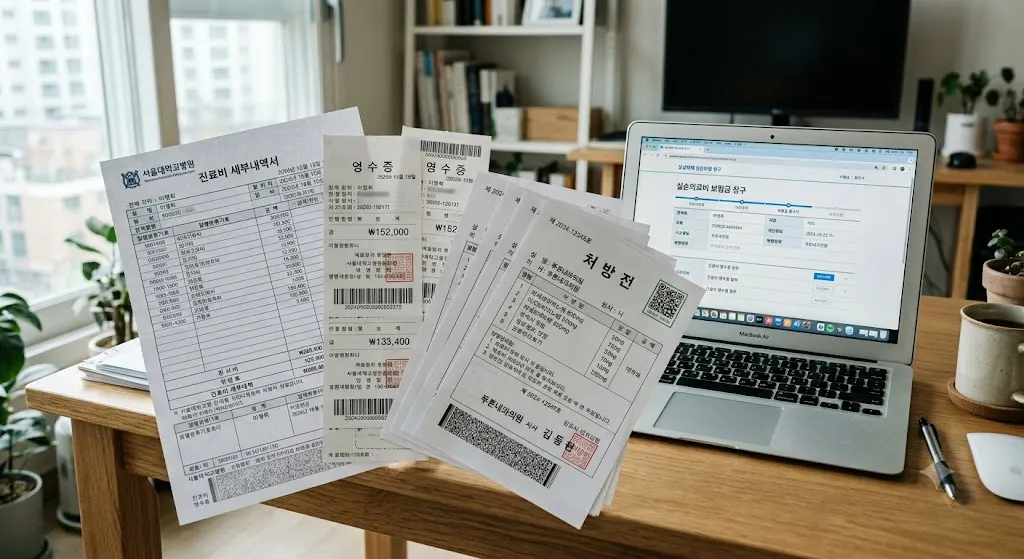
- Ask for documents before you leave the clinic. Returning later may require an appointment or a fee.
- Check names and dates. Make sure your name matches your passport and that dates are correct.
- Request the itemized statement, not just the receipt. A receipt alone usually does not satisfy an insurer.
- Keep originals and take photos of everything for your records.
- Pay attention to uninsured versus insured items. Korean documents separate National Health Insurance items from non-covered items, and an insurer may ask about this.
Translation Considerations
If your insurer needs English documents, confirm in advance whether a clinic translation, a certified translation, or a self-made translation is acceptable. Some hospitals offer an English diagnosis for a fee. Do not translate medical terms yourself if the insurer requires official translations, since errors can delay a claim.
Tourists vs. Residents
Visitors typically pay out of pocket and claim later, so keeping complete records is essential. Residents enrolled in National Health Insurance usually deal mostly with copays, but people with private overseas coverage can still claim the portions it covers.
Timing and Claim Deadlines
Insurers set claim deadlines, often counted from the treatment date. Do not wait until the end of a long stay to start collecting paperwork, and submit claims promptly after treatment.
Common Mistakes
- Leaving without the itemized statement. It is the document most often missing.
- Not asking the insurer what they require first. Requirements differ by company.
- Assuming English documents are free or automatic. They may cost extra or need a separate request.
- Throwing away pharmacy receipts. They count as medical expenses.
- Waiting too long to submit. Claim deadlines are firm.
Quick Summary
- Overseas insurers commonly need a payment receipt, an itemized statement, a diagnosis certificate, and prescription or pharmacy receipts.
- Request documents at the clinic, and check names, dates, and amounts before leaving.
- Large hospitals with international clinics are the easiest place to get English documents, usually for a fee.
- Confirm your insurer's requirements and claim deadline before treatment, and keep copies of everything.