How Korean Hearing Tests and Hearing Aid Care Work for Foreign Residents
If you've noticed muffled sound, ringing in your ears, or trouble following conversations in Korea, you may wonder where to start. Hearing care in Korea begins at an ENT clinic (이비인후과), where a doctor checks your ears and a hearing test can usually be done the same day. Knowing how testing, insurance, and hearing aids work saves time and avoids paying for the wrong thing.
This is general information, not medical advice.
The Quick Answer: Where to Go
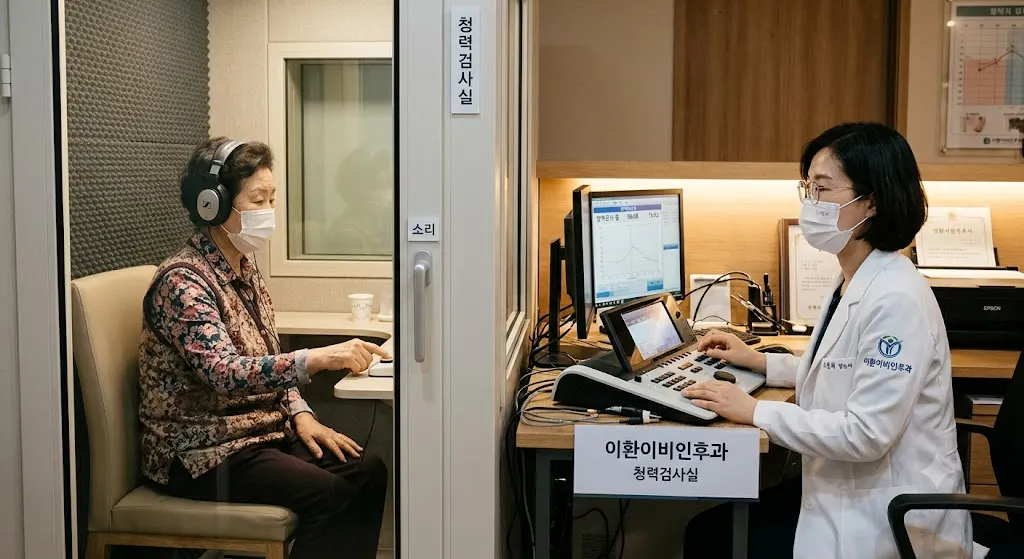
- ENT clinic (이비인후과): the first stop for hearing loss, ear pain, ringing, or blockage. Most clinics have an audiometry booth.
- Hospital ENT or audiology department: better for sudden hearing loss, dizziness, or complex cases.
- Hearing aid centers (보청기 센터): for fitting and adjusting devices after a medical evaluation.
Sudden hearing loss in one or both ears should be treated as urgent. Go to a hospital ENT department promptly rather than waiting.
What a Hearing Test Involves
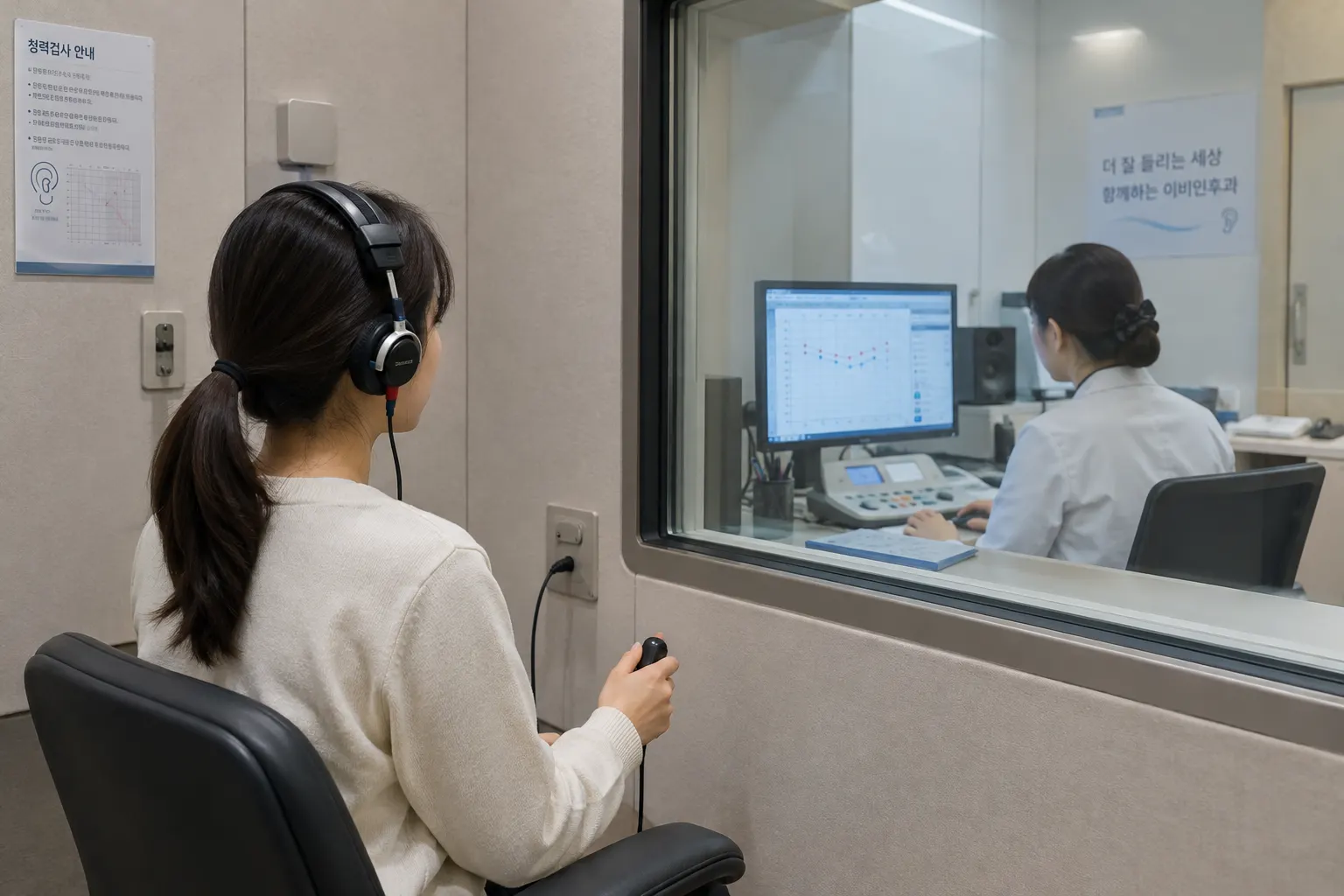
A standard visit includes an ear exam and pure-tone audiometry, where you press a button when you hear tones through headphones. Results appear as an audiogram showing which frequencies you hear less well. Additional tests may check middle-ear function or speech understanding. The whole process is often under an hour.
Insurance and Costs
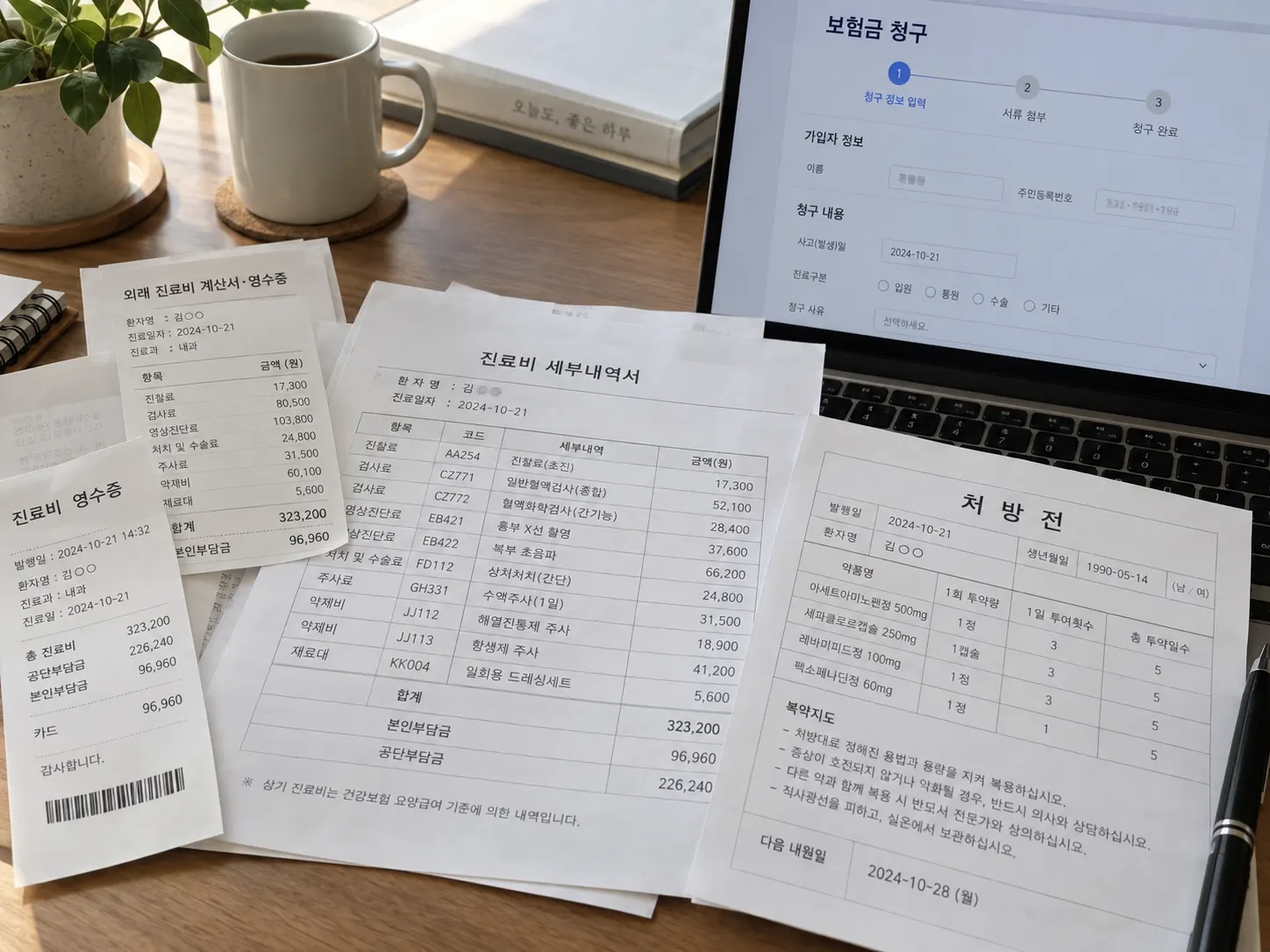
As covered in the clinic visit guide, medical evaluation at an ENT clinic is generally covered by National Health Insurance at a partial copay. Hearing aids are a different matter:
- The government offers subsidies for hearing aids to people who are registered as having a hearing disability, and registration requires a medical diagnosis at a designated hospital.
- Without registration, hearing aids are paid out of pocket, and prices vary widely by technology level.
Ask the clinic whether you may qualify for disability registration and what the current subsidy covers, since rules and amounts change.
Buying and Using Hearing Aids
- Get a medical evaluation first, since hearing loss can have treatable causes.
- Compare a few hearing aid centers, and ask about trial periods and fitting visits.
- Confirm what the price includes, such as adjustments, batteries, and servicing.
- Plan for follow-up fittings, since adjustment usually takes several visits.
Be cautious of high-pressure sales and very cheap devices without proper fitting.
Language and Communication
English support varies. Bring a written list of symptoms, when they started, and any medications. Hospitals with international clinics generally offer the most English help. A translation app works at the booth too, though speech tests may need Korean-language material, so tell staff you are a non-Korean speaker.
Protecting Your Hearing
Korea's loud commutes, noraebang rooms, and earbuds are common risks. Keep volume moderate, take listening breaks, and use ear protection for loud events.
Common Mistakes
- Waiting on sudden hearing loss. It can be time-sensitive.
- Buying hearing aids without a medical evaluation. Causes differ.
- Not asking about subsidies. Eligibility may reduce costs.
- Skipping follow-up fittings. Adjustment matters for results.
Quick Summary
- Start at an ENT clinic for hearing problems, where audiometry is often available the same day.
- Medical evaluation is generally covered at a partial copay, while hearing aids are mostly out of pocket unless you qualify for disability registration and subsidies.
- Get a medical check before buying hearing aids, compare centers, and plan for several fitting visits.
- Sudden hearing loss needs prompt hospital care, and protecting your hearing from loud noise helps long term.