How Korean Menstrual Health and Women's Clinic Care Works for Foreign Residents
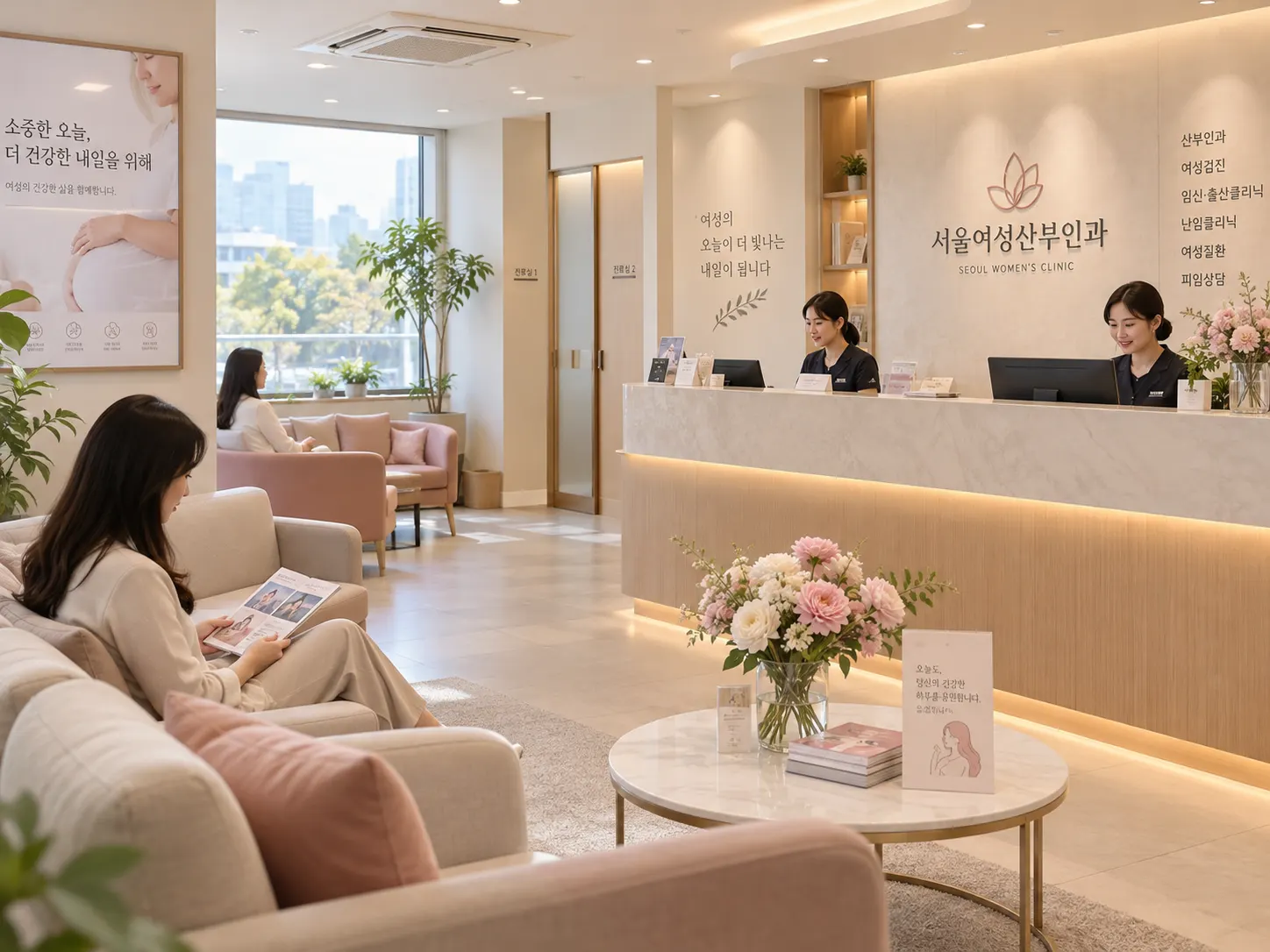
If you need a gynecology visit in Korea, whether for period problems, contraception, or a routine checkup, the system is accessible and usually inexpensive, but the clinic setup can feel unfamiliar. Women's health care in Korea runs through OB-GYN clinics (산부인과), where same-day appointments are common and prescriptions are filled at a nearby pharmacy. Knowing what to expect makes the first visit easier.
This is general information, not medical advice.
The Quick Answer: Where to Go
- OB-GYN clinic (산부인과): for periods, pelvic pain, infections, contraception, and checkups.
- Hospital gynecology department: for complex or urgent conditions.
- Pharmacy: for some over-the-counter items, while many medications need a prescription.
Clinics range from small neighborhood practices to women's hospitals, and many accept walk-ins.
What Visits Look Like
A visit usually starts with a short consultation about your symptoms and history. Depending on the concern, the doctor may do an ultrasound, often an abdominal one for unmarried or younger patients, and a pelvic exam only when needed. You can ask what the examination will involve and decline anything you are not comfortable with.
Contraception and Prescriptions
Prescription contraception is available through clinics, and some forms require a doctor's visit rather than over-the-counter purchase. Emergency contraception is available by prescription in Korea, so ask the clinic about current access. Bring the generic name of any medication you currently use, since brand names differ.
Insurance and Costs
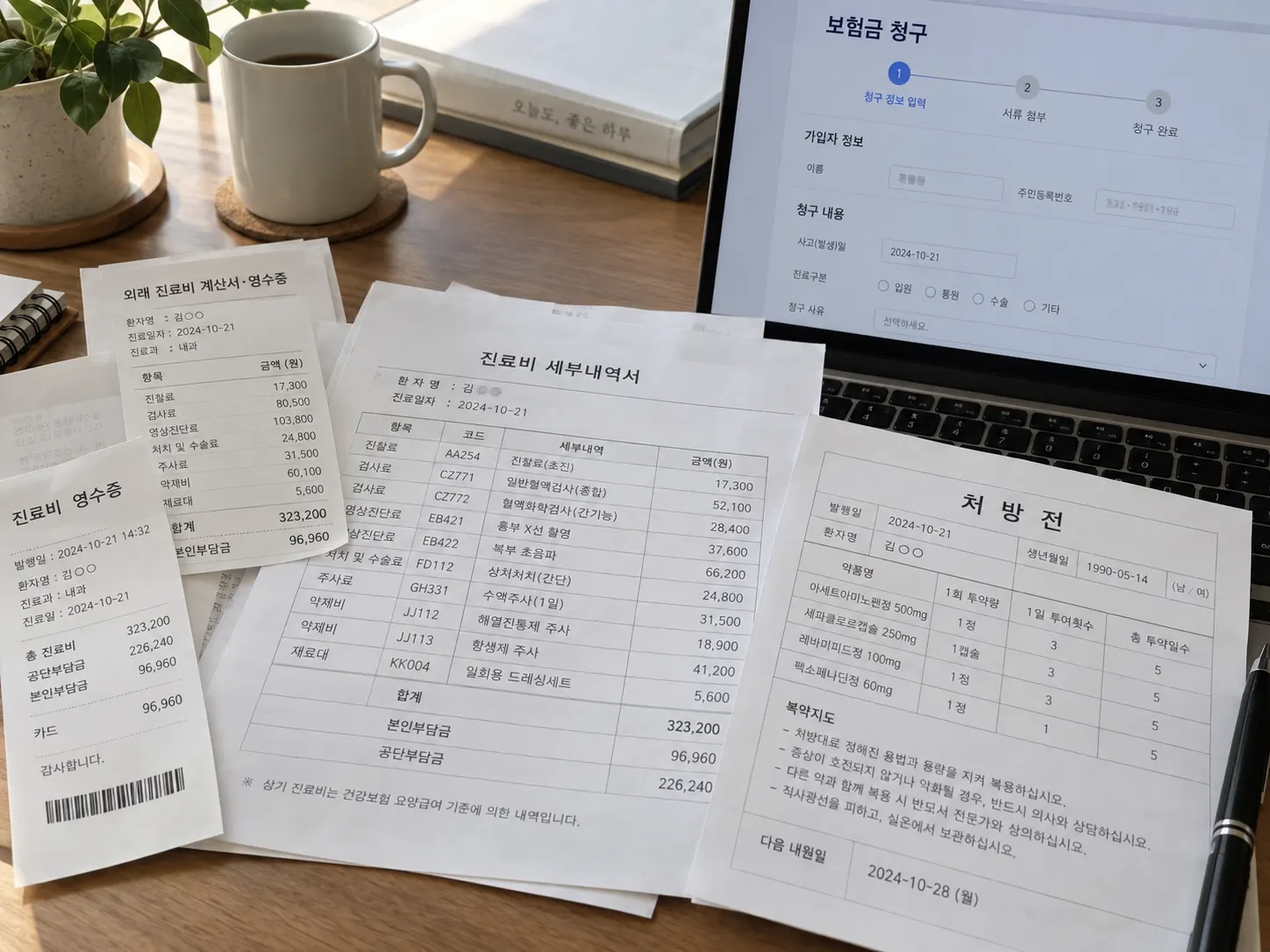
As covered in the clinic care guide, treatment of medical conditions is generally covered by National Health Insurance at a partial copay, while some services such as certain contraception and elective procedures are not. Cervical cancer screening is part of the national screening program for eligible ages, as covered in the screening guide. Ask the clinic what a visit will cost before tests are done.
Language and Comfort
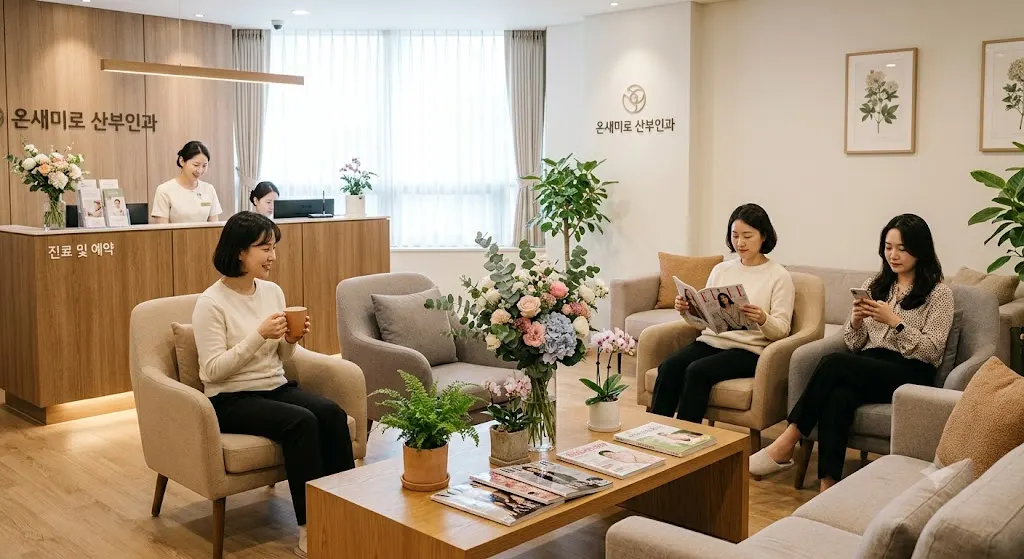
English support varies. To prepare:
- Write down symptoms, cycle details, and medications
- Learn key terms or use a translation app, such as 생리 (period), 생리통 (period pain), and 피임 (contraception)
- Ask if a female doctor is available if that is important to you
Larger hospitals with international clinics usually offer more English help.
When to Seek Prompt Care
Heavy bleeding, severe pain, fever, possible pregnancy complications, or sudden new symptoms should be examined promptly. For emergencies, go to a hospital ER or call 119.
Common Mistakes
- Delaying care for persistent symptoms. Early checks help.
- Not bringing medication names. Brand names differ between countries.
- Assuming everything is covered. Ask about costs first.
- Not stating your preferences about exams. You can ask questions and set boundaries.
Quick Summary
- OB-GYN clinics (산부인과) handle periods, contraception, infections, and routine checkups, and many accept same-day visits.
- Medical conditions are generally covered at a partial copay, while some contraception and elective services are out of pocket.
- Prepare a symptom list, medication names, and key Korean phrases, and use international clinics for more English support.
- Seek prompt care for heavy bleeding, severe pain, or sudden new symptoms.