How Korean Dental Emergencies and After-Hours Dental Care Work
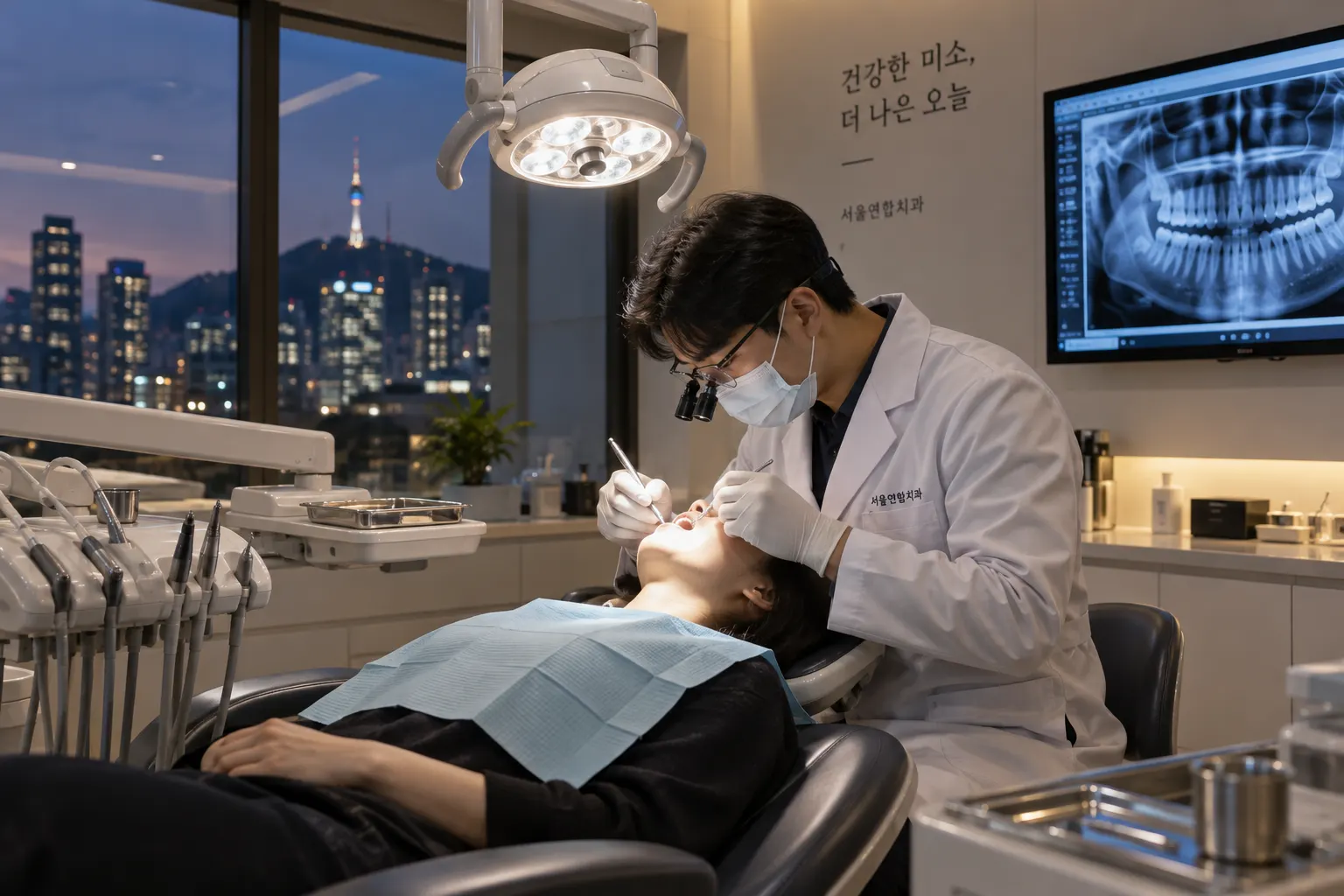
If a tooth cracks or an infection flares up in the middle of the night in Korea, you can still get help, but the route differs from a regular visit. Urgent dental care in Korea runs through weekend clinics, hospital dental departments, and ER referrals. Knowing where to go first saves hours and pain.
This is general information, not medical advice.
The Quick Answer: Where to Go
- Weekend and evening dental clinics: many neighborhood clinics keep late hours or Saturday hours.
- Hospital dental department: better for swelling, trauma, or infections.
- Hospital ER: for severe facial swelling, difficulty breathing or swallowing, heavy bleeding, or jaw injuries.
If you have swelling that spreads, fever, or trouble breathing, go to a hospital emergency room right away or call 119.
First Aid Until You're Seen
- Rinse your mouth gently with warm water
- Use a cold compress on the cheek for swelling
- If a tooth is knocked out, keep it moist in milk or saliva and seek care quickly
- Avoid placing aspirin on the gum, since it can irritate tissue
What to Expect at the Clinic
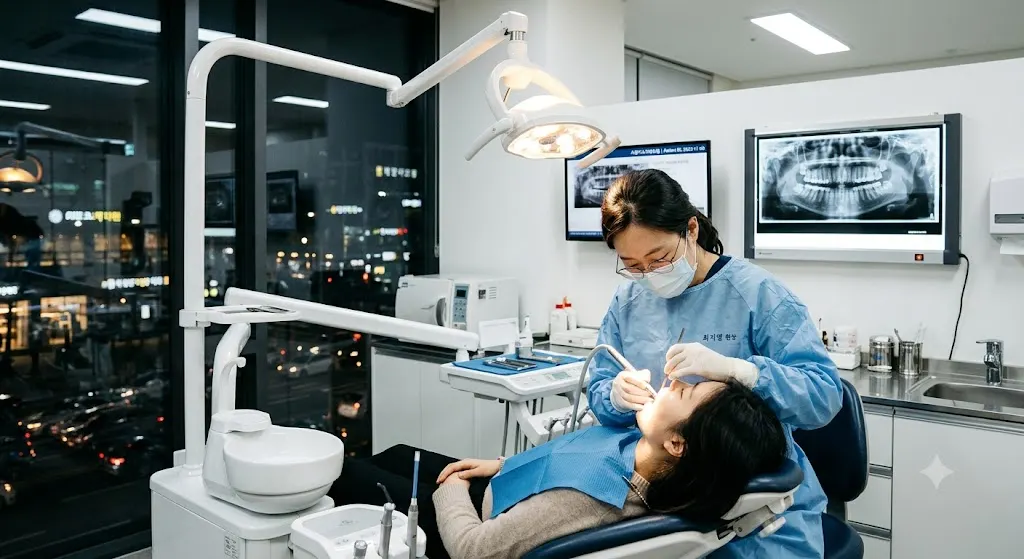
The dentist examines the area, may take an X-ray, and offers pain relief or a temporary fix, such as a drain, filling, or antibiotics prescribed for infection. Follow-up visits finish treatment.
Cost and Insurance
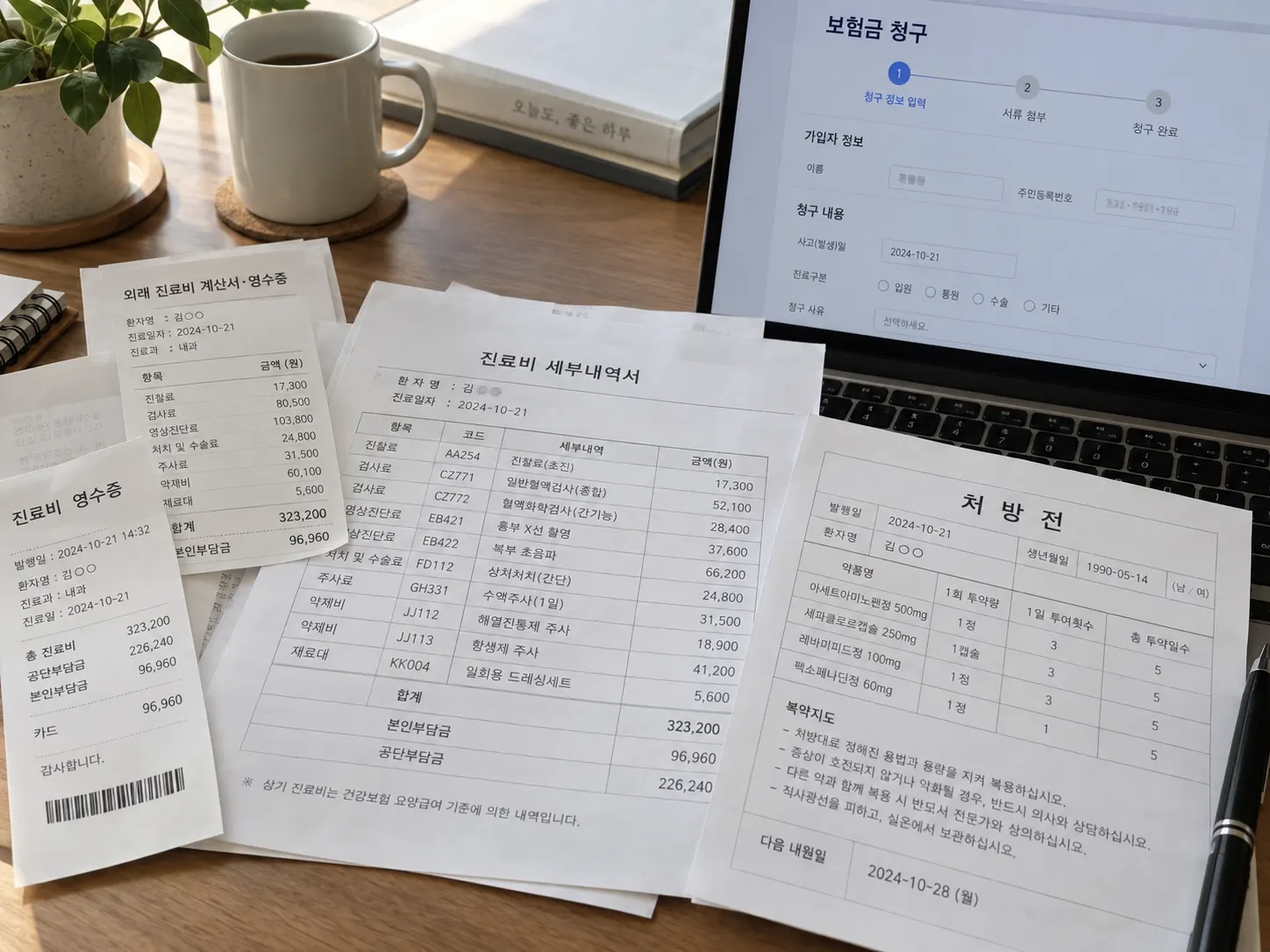
As covered in the dental care guide, basic treatment is partly covered by National Health Insurance, while implants and cosmetic work are not. After-hours visits can carry extra fees, so ask first if it is not urgent.
Language Tips
Use phrases such as "이가 아파요" (my tooth hurts) and "부었어요" (it's swollen), or a translation app. Hospitals with international clinics offer more English support.
Common Mistakes
- Waiting on swelling. It can worsen quickly.
- Self-medicating with leftover antibiotics. Get a prescription.
- Not saving a knocked-out tooth. Time matters.
- Skipping follow-up. A temporary fix is not final treatment.
Quick Summary
- Urgent dental care runs through late-hours clinics, hospital dental departments, or ERs for serious swelling or trauma.
- Basic emergency care is generally covered at a partial copay, with extra fees possible after hours.
- Keep the area clean, use a cold compress, and store a knocked-out tooth in milk.
- Seek immediate hospital care for spreading swelling, fever, or breathing trouble.