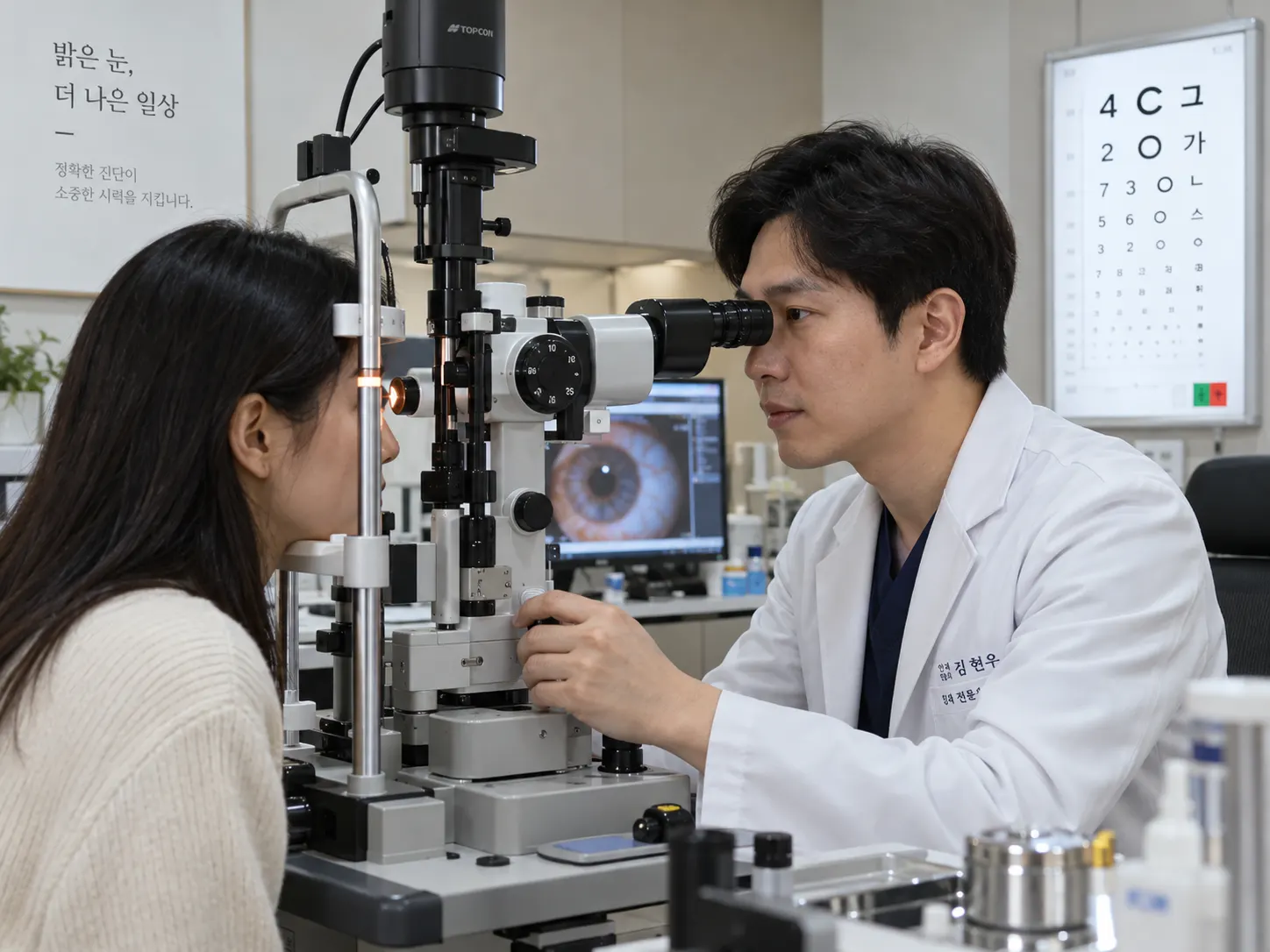
How Korean Pharmacies Handle Cold, Flu, and Fever Care for Foreign Residents

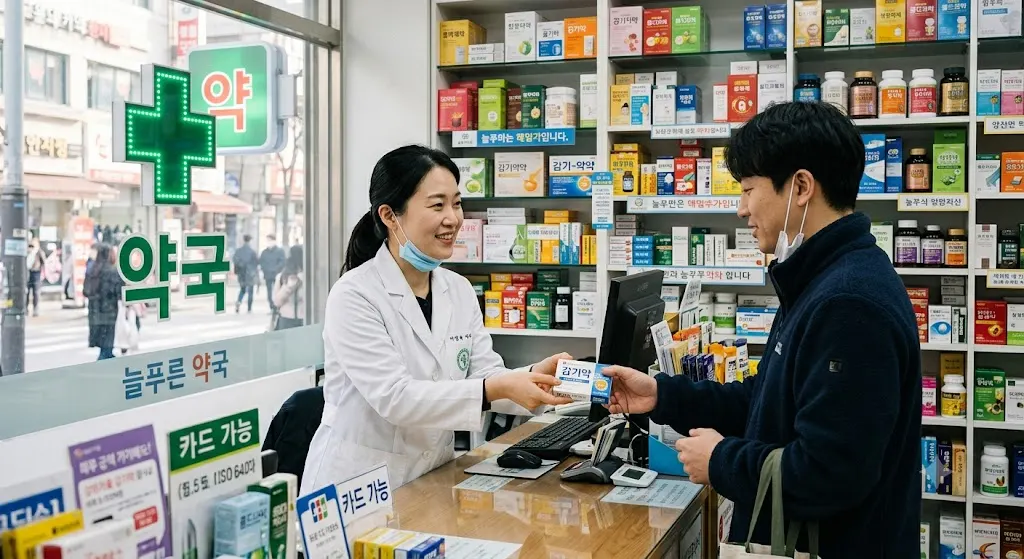
If you wake up in Korea with a sore throat, a fever, or a heavy cold, you can often get effective help from a pharmacy without seeing a doctor first. For a mild cold or flu in Korea, a pharmacist can recommend over-the-counter medicine on the spot, and many pharmacies are open evenings and weekends. Knowing what to ask for, and when a clinic visit is the better move, makes the process much easier.
This is general information, not medical advice.
The Quick Answer: What You Can Get Without a Prescription
Pharmacists commonly sell products for:
- Cough, sore throat, and runny nose
- Fever and body aches
- Congestion and mild allergy symptoms
- Digestive upset that often accompanies a cold
Tell the pharmacist your main symptoms, how long you've had them, and any medications or conditions you have. They typically suggest a combination product, often a "cold medicine" (종합감기약), or individual products for specific symptoms.
What to Say
Even with limited Korean, these help:
- Point to the symptom on a translation app
- Say "감기" (cold), "열" (fever), "기침" (cough), or "목 아파요" (sore throat)
- Show a list of your regular medications and allergies
Many pharmacists in busy areas understand basic English, and a written note in Korean works well.
Safety Points to Mention
Always tell the pharmacist if you:
- Are pregnant or breastfeeding
- Take prescription medication
- Have a chronic condition such as high blood pressure or diabetes
- Have allergies to certain medicines
- Are giving medicine to a child, in which case dose by age and weight matters, so ask the pharmacist and follow the label
Avoid doubling up on products that contain the same active ingredient, such as two medicines that both contain acetaminophen. Ask the pharmacist to confirm that your products don't overlap.
When to See a Doctor Instead
A clinic visit is better if you have:
- A high fever lasting more than a few days
- Difficulty breathing or chest pain
- Symptoms that are getting worse after several days
- Severe sore throat with difficulty swallowing
- A chronic condition or a weakened immune system
Antibiotics require a prescription in Korea, as covered in the pharmacy guide, so a pharmacy cannot supply them directly. Flu-specific antiviral medicine also requires a doctor's prescription.
Cost and Convenience
Over-the-counter cold medicine is generally inexpensive, often a few thousand won per product. Clinic visits for colds are also affordable, and many clinics offer same-day appointments. Prescriptions from a clinic are filled at a nearby pharmacy.
Common Mistakes
- Treating a worsening illness at home too long. Persistent or severe symptoms deserve a doctor.
- Not mentioning other medications. Interactions are a real risk.
- Expecting antibiotics from a pharmacy. They require a prescription.
- Taking multiple products with overlapping ingredients. Ask the pharmacist to check.
Quick Summary
- Korean pharmacists can recommend over-the-counter medicine for mild colds, fevers, coughs, and sore throats without a prescription.
- Tell the pharmacist your symptoms, any current medications, allergies, pregnancy, or chronic conditions, and use a translation app if needed.
- See a doctor for high or persistent fever, breathing difficulty, worsening symptoms, or if you have a chronic condition.
- Antibiotics and flu antivirals require a prescription, and children's doses should follow the label and pharmacist guidance.