How Dental Care Works in Korea for Foreign Residents
If a toothache has sent you searching for a dentist in Korea for the first time, you may have noticed dental care operates somewhat separately from the rest of Korea's healthcare system, with its own coverage rules, cost structure, and clinic conventions. Korea's dental care is generally high-quality and more affordable than in several other countries, but National Health Insurance covers dental procedures less comprehensively than general medical care, which surprises a lot of new residents expecting the same coverage level they get for a regular clinic visit.
Here's how dental care actually works in Korea, what's covered, and what to expect at a first appointment.
What National Health Insurance Actually Covers for Dental Care
- Basic check-ups, cleanings, and diagnostic X-rays are generally covered at a reduced copay under NHI, similar to general medical visits, making routine dental visits fairly affordable for insured residents.
- Cavity fillings and certain basic restorative procedures are also typically covered, though the specific materials used can affect your out-of-pocket cost, since higher-grade or cosmetic materials often fall outside standard coverage.
- Scaling (professional teeth cleaning) is covered under NHI, generally once per year, a genuinely useful and affordable benefit many foreign residents don't realize they're eligible for.
- Orthodontics (braces), cosmetic procedures, and most implants are largely not covered, or only partially covered under specific limited circumstances, these tend to be significant out-of-pocket expenses regardless of insurance status.
A common misunderstanding is assuming dental coverage mirrors general medical coverage under the same National Health Insurance plan. In practice, dental care operates with its own more limited coverage scope, and understanding which specific procedure category you're dealing with matters for what to expect financially.
Realistic Cost Expectations
- A basic check-up and cleaning with insurance typically costs a small copay, often just a modest out-of-pocket amount for a routine visit.
- Cavity fillings vary depending on material and location, but insured basic fillings are generally quite affordable compared to costs in several other countries.
- Implants, largely uncovered, can range significantly depending on the clinic, materials, and complexity, this is one of the areas where getting a few quotes and understanding exactly what's included (the implant itself, the crown, follow-up visits) matters before committing to a specific clinic.
- Orthodontic treatment, similarly uncovered by standard NHI, varies widely in cost depending on the type of braces or aligners and treatment duration, dental tourism for orthodontics has become a notable trend among some foreign residents specifically because Korean pricing, even fully out-of-pocket, can be competitive compared to home-country costs for comparable care.
Finding an English-Speaking Dentist
- Dental clinics in areas with larger foreign populations (parts of Seoul like Itaewon, areas near international schools, and university districts) are more likely to have English-speaking dentists or staff, though this varies clinic by clinic rather than being guaranteed by neighborhood alone.
- Larger dental hospital chains sometimes have more standardized English-language support and materials compared to small independent neighborhood clinics.
- Checking reviews or asking in expat community groups for dentist recommendations tends to be more reliable than assuming any given clinic will have English support, since it isn't universal even in foreigner-heavy areas.
What a First Visit Typically Involves
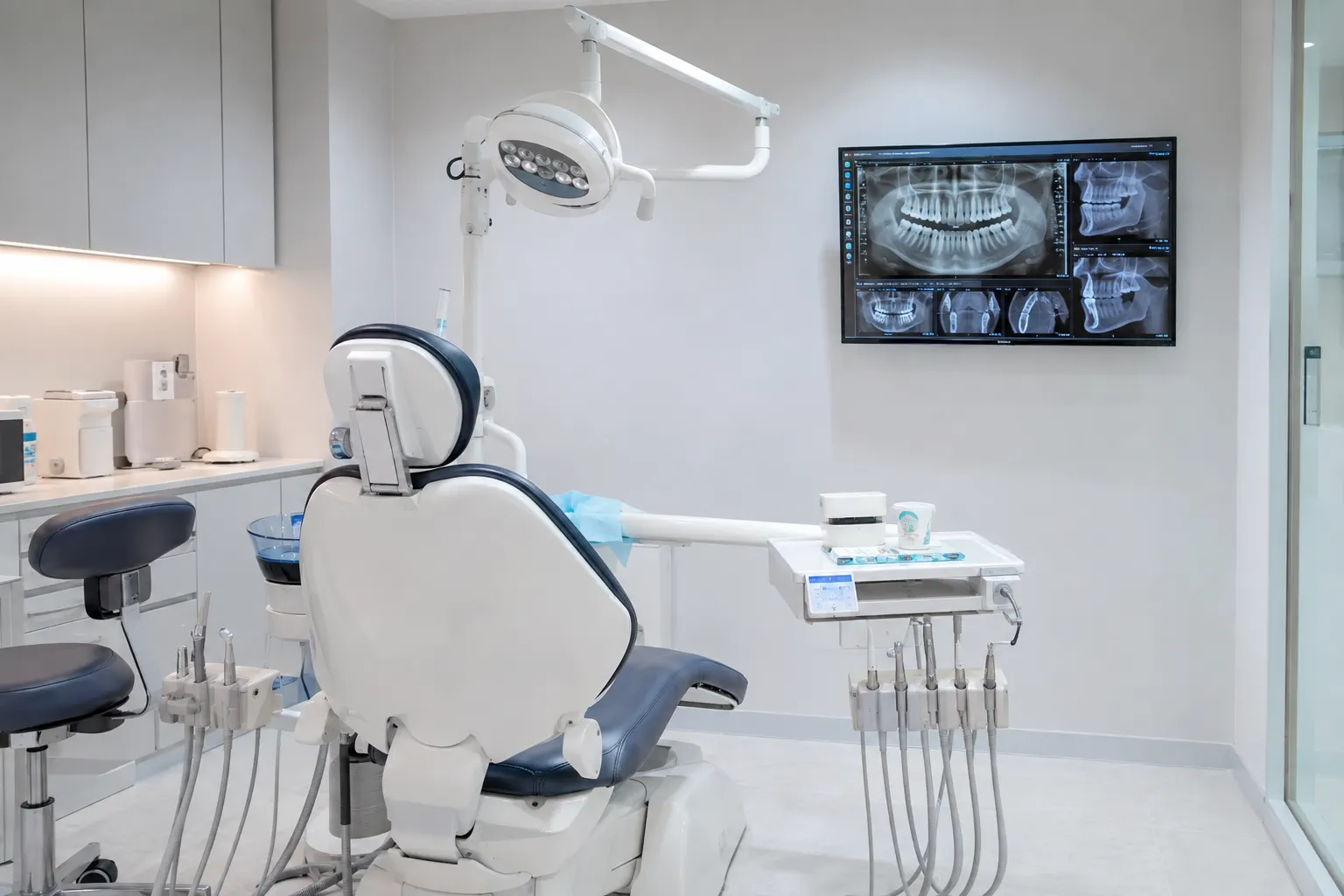
A first-time visit to a Korean dental clinic generally starts with a consultation and examination, often including X-rays if it's been a while since your last dental visit or if you have a specific complaint. Korean dental clinics are generally efficient, appointment wait times tend to be shorter than in some countries, and same-day or next-day appointments for non-emergency issues are often achievable, a genuinely convenient aspect of the system many foreign residents come to appreciate.
Common Mistakes Foreign Residents Make
- Assuming dental coverage matches general medical coverage under NHI, leading to surprise costs for procedures they assumed would be subsidized similarly to a regular clinic visit.
- Not asking for a detailed cost breakdown before major procedures, particularly for implants or orthodontics, where total cost can include several separate components beyond the headline price initially quoted.
- Delaying routine care because of uncertainty about the system, when in practice basic check-ups and cleanings are affordable and accessible, delaying often leads to more expensive treatment later for issues that could have been caught early.
- Not using the annual covered scaling benefit, a straightforward, generally well-covered service that many foreign residents simply don't know they're eligible for under standard NHI enrollment.
Quick Summary
- National Health Insurance covers basic dental care (check-ups, cleanings, fillings, annual scaling) at a reduced copay, but largely excludes orthodontics, implants, and cosmetic procedures.
- Out-of-pocket costs for uncovered procedures like implants or braces vary significantly by clinic, getting multiple quotes and a clear cost breakdown before committing is worth the effort.
- English-speaking dental clinics are more common in foreign-heavy neighborhoods and larger dental hospital chains, but aren't guaranteed, checking reviews or asking in expat communities helps.
- Korean dental care is generally efficient with shorter wait times than in many countries, making it easier to address issues early rather than delaying due to unfamiliarity with the system.