Going to a Dentist in Korea: Costs, Insurance, and Questions Foreigners Should Ask
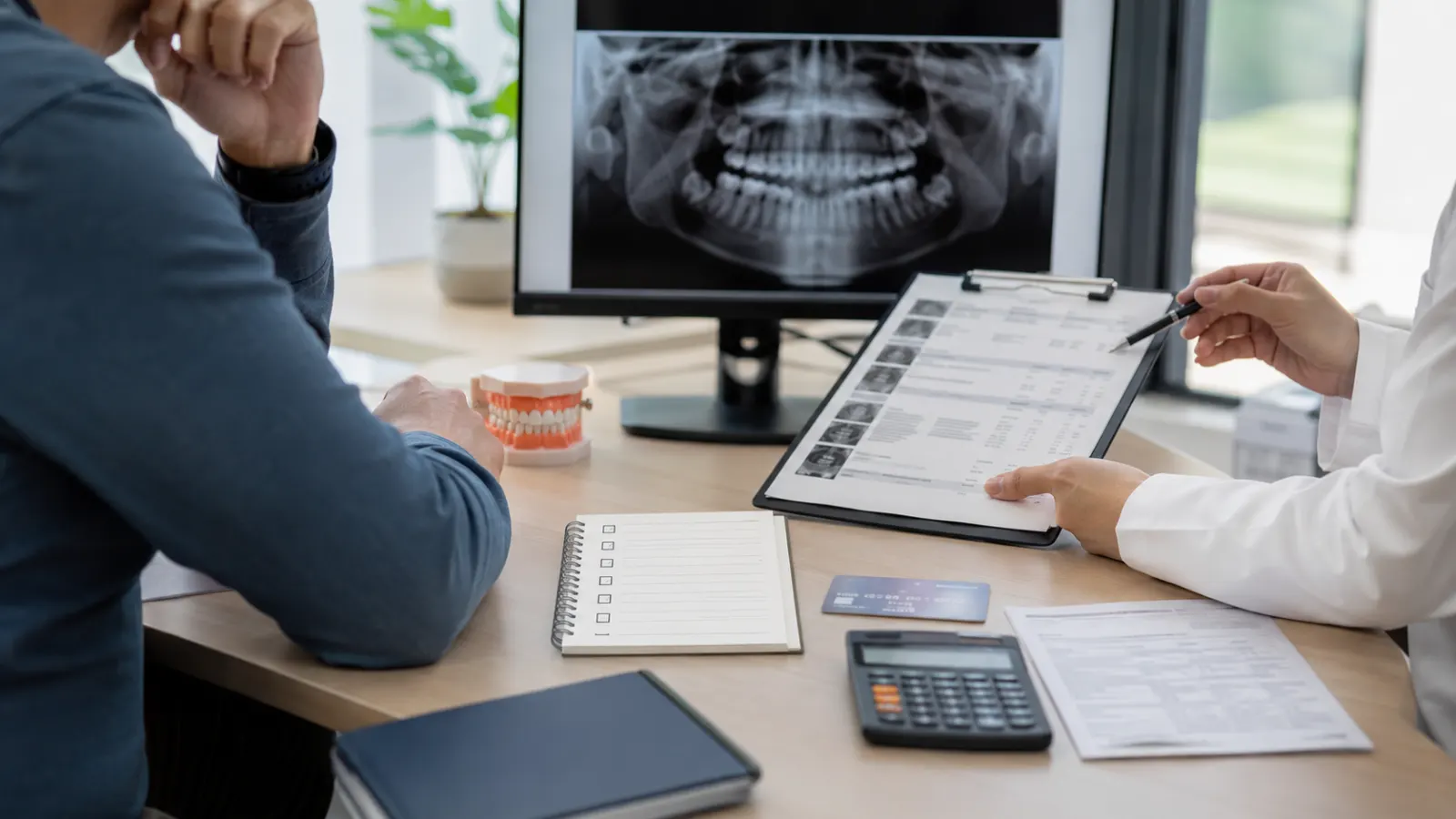
Finding a dental clinic in Korea is easy in most cities. Understanding what you are agreeing to can be harder. A routine examination may be affordable, while implants, crowns, whitening, orthodontics, and non-covered materials can create a much larger bill than expected.
Foreign patients should ask about diagnosis, insurance coverage, materials, treatment stages, and total price before treatment begins. A modern clinic and an English-speaking coordinator are helpful, but they do not replace an itemized treatment plan.
Start with the right type of visit
Your first appointment may be for:
- Routine examination
- Scaling or cleaning
- Tooth pain
- Broken tooth
- Filling
- Gum problems
- Wisdom tooth
- Root canal
- Crown
- Implant consultation
- Orthodontic consultation
- Cosmetic treatment
Tell the clinic whether you want an examination only or are prepared to start treatment the same day. Some clinics may perform X-rays and recommend immediate work, while others schedule treatment later.
If you are in pain, explain when it started, what triggers it, whether swelling is present, and which medications you take.
Severe facial swelling, breathing difficulty, uncontrolled bleeding, or rapidly worsening symptoms may require urgent medical attention rather than waiting for a routine appointment.
Korean health insurance does not cover everything
Korean National Health Insurance may reduce the cost of certain dental services, but dental coverage is not unlimited. Coverage can depend on:
- The procedure
- Patient age
- Medical necessity
- Tooth and diagnosis
- Treatment material
- Frequency limits
- Whether the service is cosmetic
- Whether the clinic participates in the insurance system
Examinations, X-rays, some fillings, gum treatment, extractions, and other medically necessary care may receive coverage under applicable conditions. Cosmetic whitening, many orthodontic services, and premium restorative materials are commonly outside ordinary coverage.
Never ask only, “Is dental treatment covered?” Ask which exact parts of the proposed treatment are covered and which are not.
Ask for an itemized estimate
A useful dental estimate should separate each procedure. For example, treatment for one painful tooth might involve:
- Examination
- X-ray
- Anesthesia
- Root canal sessions
- Temporary filling
- Core buildup
- Crown
- Medication
- Follow-up visit
A clinic may quote the crown price while the patient assumes the entire process is included. Before starting, ask:
- What is the diagnosis?
- Which tooth requires treatment?
- Is treatment urgent?
- What happens if I wait?
- Are there less expensive alternatives?
- How many appointments are needed?
- Which parts are covered by insurance?
- What is the total estimated cost?
- Could the price increase during treatment?
- What warranty or follow-up policy applies?
Request the estimate in writing when treatment is expensive.
Dental materials change the price
Fillings, crowns, bridges, dentures, and implants can use different materials. Clinics may describe options using Korean product terms or brand names that are difficult to compare. Do not choose solely from a price list. Ask about:
- Material type
- Durability
- Appearance
- Tooth location
- Expected lifespan
- Repair options
- Laboratory origin
- Insurance eligibility
- Reason for the dentist’s recommendation
A visible front tooth and a heavily used back tooth may have different priorities. The most expensive material is not automatically necessary for every patient. If the explanation is unclear, ask the clinic to write the material name so you can research it before deciding.
X-rays and second opinions
Dental treatment recommendations can differ because dentists may evaluate risk, tooth structure, symptoms, and long-term prognosis differently.
For expensive, irreversible, or multi-tooth treatment, a second opinion can be reasonable. Ask for copies of X-rays and treatment records. The clinic may have procedures or charges for providing them.
A second opinion is especially useful when you are advised to:
- Remove several teeth
- Begin multiple root canals
- Replace several crowns
- Receive implants
- Start major gum treatment
- Undergo full-mouth rehabilitation
- Make a large upfront payment
Seeking another opinion does not mean the first dentist is wrong. It helps you understand available options.
English-speaking clinics may cost more
Clinics in international districts or areas popular with medical tourists may offer English-speaking staff, translation, online reservations, and detailed coordination. These services are valuable when treatment is complex. However, a foreign-language website does not guarantee lower prices or better clinical care. Compare:
- Dentist’s specialty and experience
- Explanation quality
- Itemized pricing
- Follow-up availability
- Emergency contact process
- Treatment records
- Location and travel time
- Language support
A local clinic with limited English may be a better choice for routine care if communication is sufficient. For complicated treatment, stronger language support may justify a higher price.
Payment plans and deposits
High-cost dental work may involve deposits, staged payments, or payment plans. Ask whether the quoted price requires full prepayment. Before paying a large amount, confirm:
- Treatment schedule
- Cancellation policy
- Refund policy
- What happens if you move
- What happens if treatment cannot be completed
- Whether another branch can continue treatment
- Whether laboratory fees are refundable
- Whether payment-plan fees apply
Foreign residents with uncertain visa or employment plans should avoid committing to a long treatment schedule without considering whether they will remain in Korea. Orthodontics and implants can require many follow-up visits.
Dental records matter when leaving Korea
If you may continue treatment in another country, request records before departure. Useful records can include:
- X-rays
- Diagnosis
- Tooth numbers
- Treatment history
- Implant system information
- Crown or material details
- Medication history
- Orthodontic plan
- Payment receipts
Implant brand and component information can be particularly important if repairs are needed elsewhere. Store records digitally and ask whether the clinic can provide an English summary. Even a Korean treatment summary is better than no record.
Common mistakes foreign patients make
Foreign patients sometimes agree to treatment before understanding whether it is covered, assume every quoted price includes all stages, or choose a clinic based only on English advertising.
Other mistakes include:
- Delaying pain until emergency treatment is needed
- Not asking for the tooth number
- Paying for a package without reading refund terms
- Starting orthodontics shortly before leaving Korea
- Failing to request X-rays
- Assuming whitening and cosmetic services are insured
- Not checking whether medication conflicts with existing prescriptions
Bring your residence card or identification, insurance information, medication list, and a payment method accepted by the clinic.
A practical first appointment
For non-urgent care, use the first visit to understand the clinic.
Ask for an examination, explanation, X-rays if clinically needed, and an itemized plan. Do not feel pressured to begin expensive treatment immediately unless the dentist explains why delay could cause harm.
A trustworthy clinic should be able to explain the problem, alternatives, expected number of visits, and likely cost in understandable terms. Dental care in Korea can be convenient and efficient, but cost transparency depends partly on the questions you ask.
Quick Summary
- Korean health insurance may cover some dental services, but many materials and cosmetic treatments are not covered.
- Ask for a written, itemized estimate showing every treatment stage.
- Consider a second opinion before expensive or irreversible treatment.
- Request X-rays and material records if you may continue care outside Korea.