Visiting a Dentist in Korea: Exams, Scaling, Fillings, and Treatment Estimates
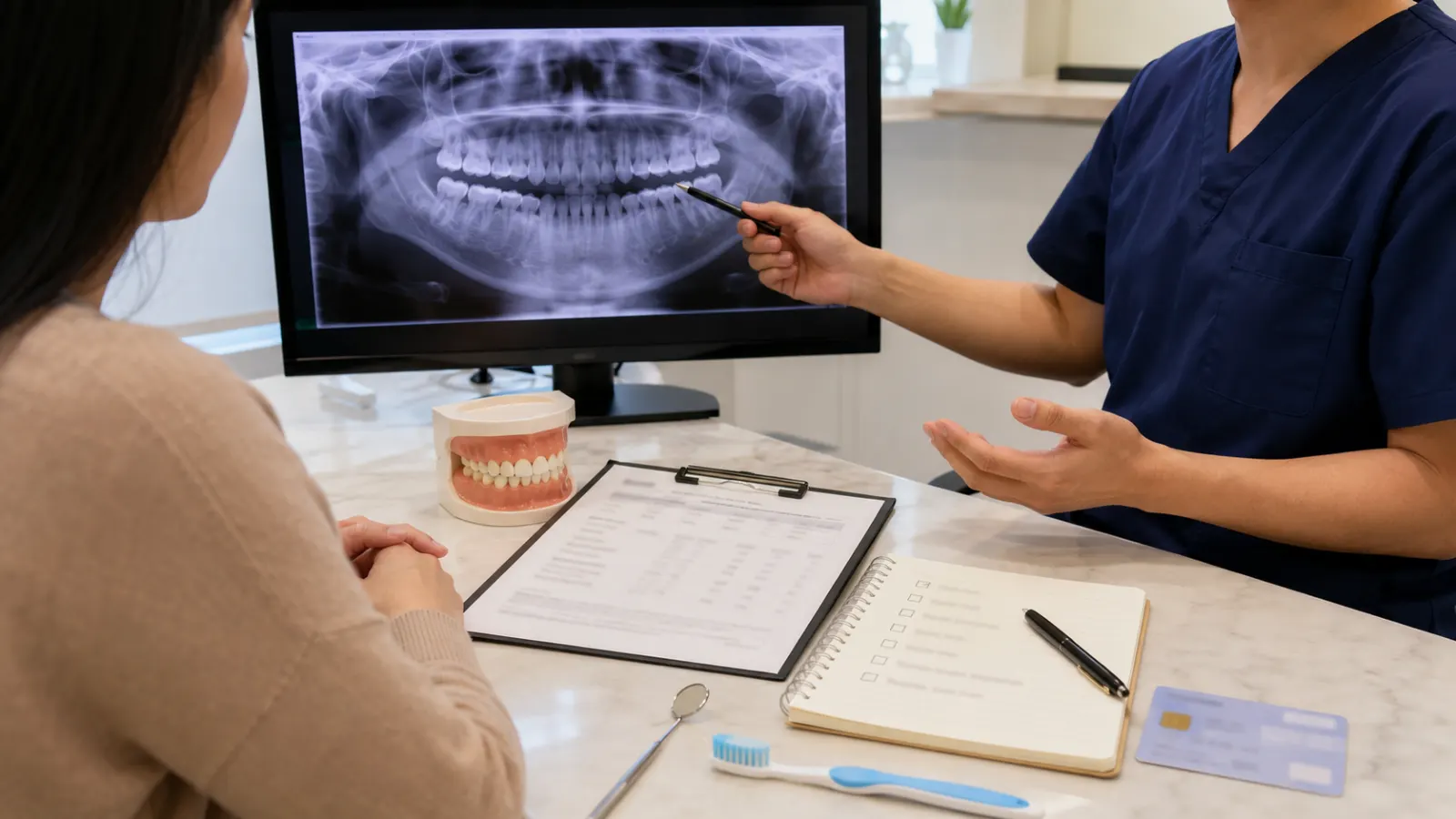
Dental clinics are common in Korean residential and commercial areas. Foreign residents may visit for a routine examination, cleaning, tooth pain, a broken filling, wisdom-tooth problems, gum bleeding, orthodontic care, or an implant consultation.
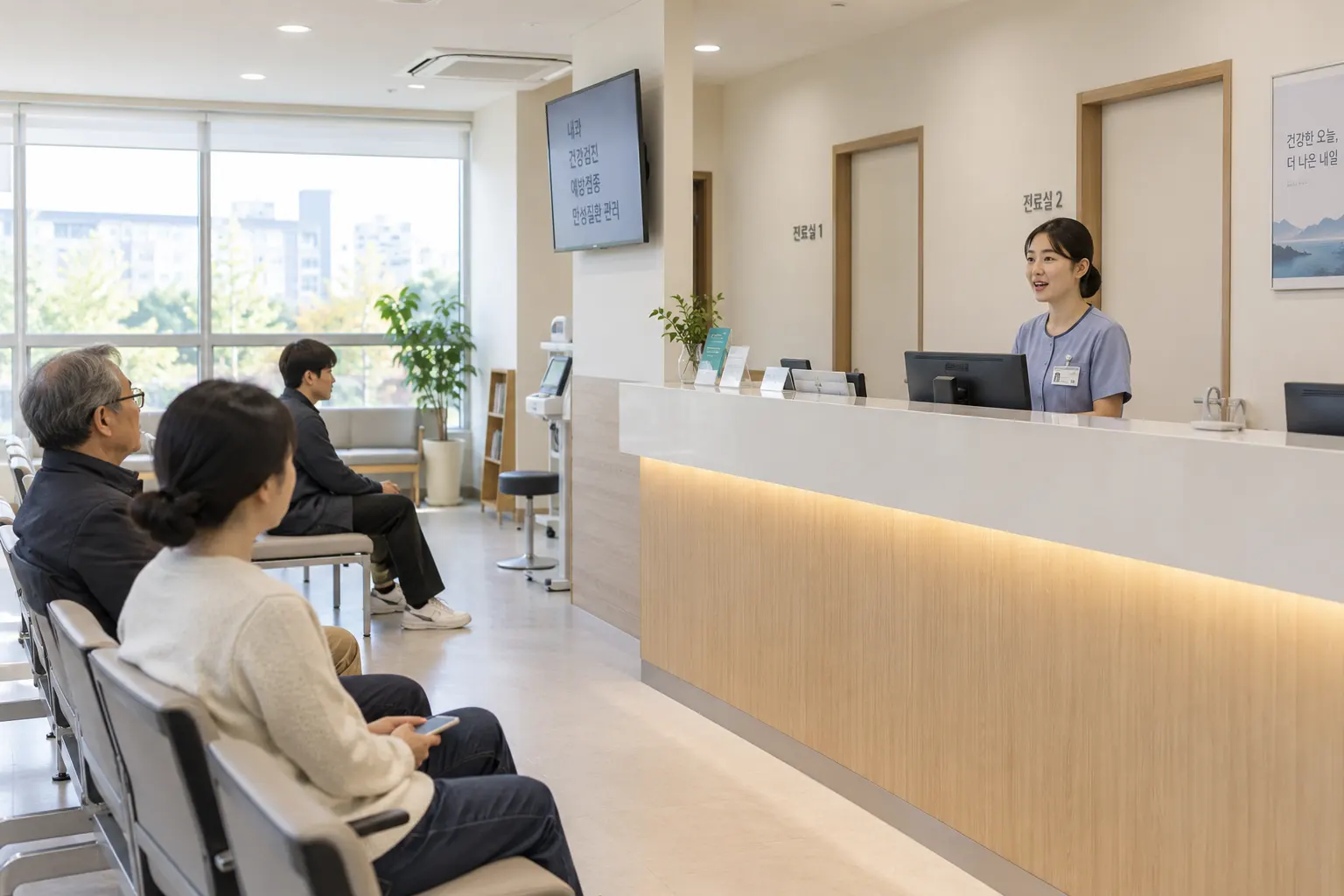
The first visit can feel fast because examination, X-rays, cleaning, and a treatment recommendation may happen in one appointment. Patients should still ask what has been diagnosed, which treatment is urgent, what alternatives exist, and how much each stage will cost.
How to find a dental clinic
A dental clinic is called chigwa in Korean. Useful search terms include:
- 치과: dental clinic
- 야간 치과: evening dental clinic
- 일요일 치과: Sunday dental clinic
- 소아치과: pediatric dentistry
- 교정치과: orthodontic clinic
- 구강외과: oral surgery
- 임플란트: implant
A general neighborhood clinic can handle many ordinary problems. Complex surgery, severe trauma, unusual disease, difficult anesthesia, or medically complicated treatment may require a larger hospital or specialist. Do not choose a clinic only because its advertisement promises the lowest price.
Make the appointment specific
When booking, explain the main reason for the visit. For example:
- Routine checkup
- Tooth pain
- Broken tooth
- Gum bleeding
- Lost filling
- Wisdom tooth
- Cleaning
- Implant consultation
- Orthodontic problem
Tell the clinic if you need English support. Ask how long the first appointment may take and whether treatment can begin on the same day. A clinic may reserve a different amount of time for an examination than for emergency pain.
What to bring
Bring:
- Passport or residence card
- Health-insurance information
- Medication list
- Allergy information
- Previous dental records
- Recent X-rays when available
- Information about implants or crowns
- Payment method
- Private insurance details
Tell the dentist about pregnancy, heart conditions, bleeding disorders, diabetes, osteoporosis medicine, immune-system conditions, and blood thinners. These can affect imaging, surgery, infection risk, healing, and medication.
The examination
A first visit may include:
- Symptom discussion
- Visual examination
- Gum evaluation
- Bite check
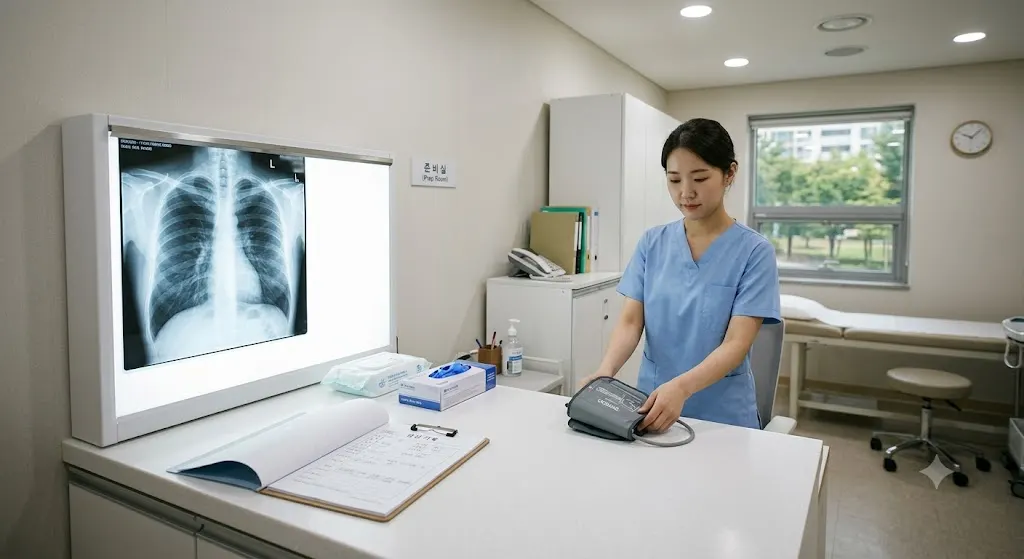
- X-ray
- Panoramic image
- Sensitivity testing
- Photographs
- Treatment consultation
Ask the dentist to show the problem on the image or mirror. Do not agree to a major treatment based only on a short statement that a tooth is bad. Useful questions include:
- What is the diagnosis?
- Is treatment urgent?
- What happens if I wait?
- Can the tooth be repaired?
- Are there alternatives?
- How many visits are needed?
- What is the expected total cost?
- What is covered by insurance?
Dental scaling
Scaling removes plaque and hardened deposits from the teeth and gum line.
Some patients expect a polishing-focused cleaning similar to the service they received in another country. Korean scaling appointments may be structured differently depending on the clinic and gum condition.
Ask whether the visit includes:
- Scaling
- Polishing
- Gum-depth measurement
- Oral-hygiene instruction
- Additional periodontal treatment
- X-rays
- Fluoride
Temporary sensitivity or minor gum bleeding can occur after cleaning, particularly when there was inflammation or substantial buildup. Persistent or severe symptoms should be reported to the clinic.
Fillings
A cavity or damaged tooth may be treated with a filling when enough healthy structure remains. Possible materials and methods differ. Ask:
- Material
- Tooth color
- Durability
- Insurance coverage
- Total price
- Expected sensitivity
- Whether an inlay or crown is recommended instead
- How much tooth structure will be removed
A clinic may offer both covered and non-covered options. The most expensive material is not automatically necessary for every tooth. Request the reason for the recommendation.
Root canal treatment
A root canal may be recommended when the nerve inside a tooth is infected, inflamed, or seriously damaged. Treatment can require several visits. Ask:
- Why is the root canal necessary?
- Can the tooth be saved another way?
- How many appointments are expected?
- Is a crown required afterward?
- What is the full estimated cost?
- What symptoms require urgent return?
- What is the expected prognosis?
The root canal cost and final crown may be discussed separately. Do not assume the first quoted amount includes the entire restoration.
Crowns
A crown covers a damaged or treated tooth. Different materials may be available, with differences in appearance, strength, price, and suitability. Ask the dentist to explain:
- Material
- Color
- Location
- Expected life
- Tooth preparation
- Temporary crown
- Laboratory time
- Warranty or remake policy
- Final cost
Check the bite before leaving after the final crown is placed. A crown that feels too high can cause pain or chewing difficulty and should be adjusted.
Wisdom teeth
Wisdom-tooth treatment can range from simple extraction to more complex surgery. The difficulty can depend on:
- Tooth angle
- Bone position
- Nerve location
- Infection
- Root shape
- Jaw opening
- Medical history
Ask whether the clinic performs the extraction or refers complex cases to an oral surgeon. Before surgery, confirm:
- Anesthesia
- Medication
- Eating instructions
- Recovery time
- Work or school restrictions
- Bleeding guidance
- Emergency contact
- Total cost
Do not plan strenuous exercise, alcohol use, or important social events immediately after a difficult extraction.
Implants
Implant treatment can involve several stages:
- Examination and imaging
- Tooth removal when necessary
- Bone treatment when necessary
- Implant placement
- Healing
- Connector
- Final crown
- Follow-up
A low advertised price may cover only one component. Request a written estimate that identifies:
- Implant fixture
- Abutment
- Crown
- Bone graft
- Imaging
- Temporary tooth
- Medication
- Follow-up
- Additional surgery
- Warranty conditions
Ask which dentist performs each stage and what happens if you leave Korea before treatment is complete.
Orthodontic care
Braces and aligners require long-term follow-up. Before starting, consider:
- Expected treatment duration
- Monthly visit frequency
- Retainer
- Extraction
- Attachments
- Replacement aligners
- Emergency repairs
- Moving overseas
- Transfer records
- Total payment schedule
A treatment plan that depends on frequent Korean appointments may not suit a short-term resident. Ask whether records and treatment can be transferred to another country.
Insurance and prices
Some dental examination and treatment may be covered or partially supported under applicable Korean health-insurance rules, while other materials and services may be non-covered. Coverage depends on the patient, treatment, tooth, material, and current rules. Before treatment, ask the clinic to separate:
- Covered service
- Non-covered service
- Imaging
- Medication
- Laboratory cost
- Total estimate
- Payment schedule
Do not assume that every dentist charges the same amount for a non-covered service. For major work, obtaining another estimate can be reasonable.
Private dental insurance
Some residents have private insurance that may reimburse certain dental treatment. Ask the insurer which documents are required before beginning expensive work. Possible documents include:
- Diagnosis certificate
- Treatment confirmation
- Itemized bill
- Receipt
- X-ray
- Dental chart
- Procedure code
- Tooth number
The clinic may charge for some certificates. Insurance reimbursement should not be assumed until the insurer confirms the conditions.
Pain and emergency symptoms
Contact a dental clinic promptly for:
- Severe tooth pain
- Facial swelling
- Fever with dental symptoms
- Uncontrolled bleeding
- Trauma
- Knocked-out tooth
- Difficulty swallowing
- Difficulty breathing
- Rapidly spreading infection
Breathing difficulty, severe swelling, major trauma, or uncontrolled bleeding may require emergency medical care rather than waiting for a routine dental appointment.
Medication after treatment
Dental prescriptions may include pain medicine, antibiotics, anti-inflammatory medication, or mouth rinse. Ask:
- Active ingredients
- Dose
- Duration
- Drowsiness
- Alcohol restrictions
- Interaction with current medicines
- What to do if a dose is missed
Do not stop antibiotics early without medical guidance simply because pain improved. Report allergic reactions or serious side effects promptly.
Get records before leaving Korea
For long-term or expensive treatment, keep:
- X-rays
- Treatment summary
- Implant information
- Crown material
- Tooth numbers
- Medication
- Payment records
- Clinic contact
- English summary when available
This information can help another dentist continue care later. Do not wait until after moving abroad to request every record.
Quick Summary
- Ask the dentist to explain the diagnosis, urgency, alternatives, number of visits, and total estimated cost.
- Scaling, fillings, crowns, implants, and orthodontics may include both covered and non-covered components.
- Major treatment estimates should identify each stage and material.
- Keep X-rays and treatment records when care may continue outside Korea.