How Eye Exams and Glasses Shopping Work in Korea
If your glasses broke or your prescription needs updating while you're in Korea, and you're not sure whether to go to an eye clinic, an optical shop, or both, the system here separates diagnostic eye care from glasses retail more distinctly than some countries, and understanding which step happens where saves an unnecessary extra trip.
Here's how eye exams and glasses shopping actually work in Korea, and what to expect at each stage.
Eye Clinics vs. Optical Shops: Two Separate Steps
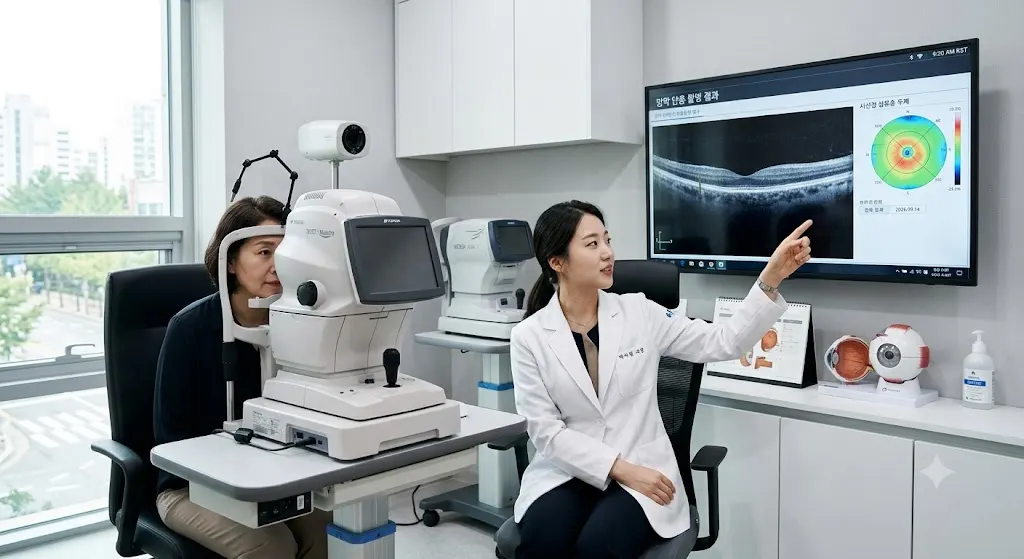
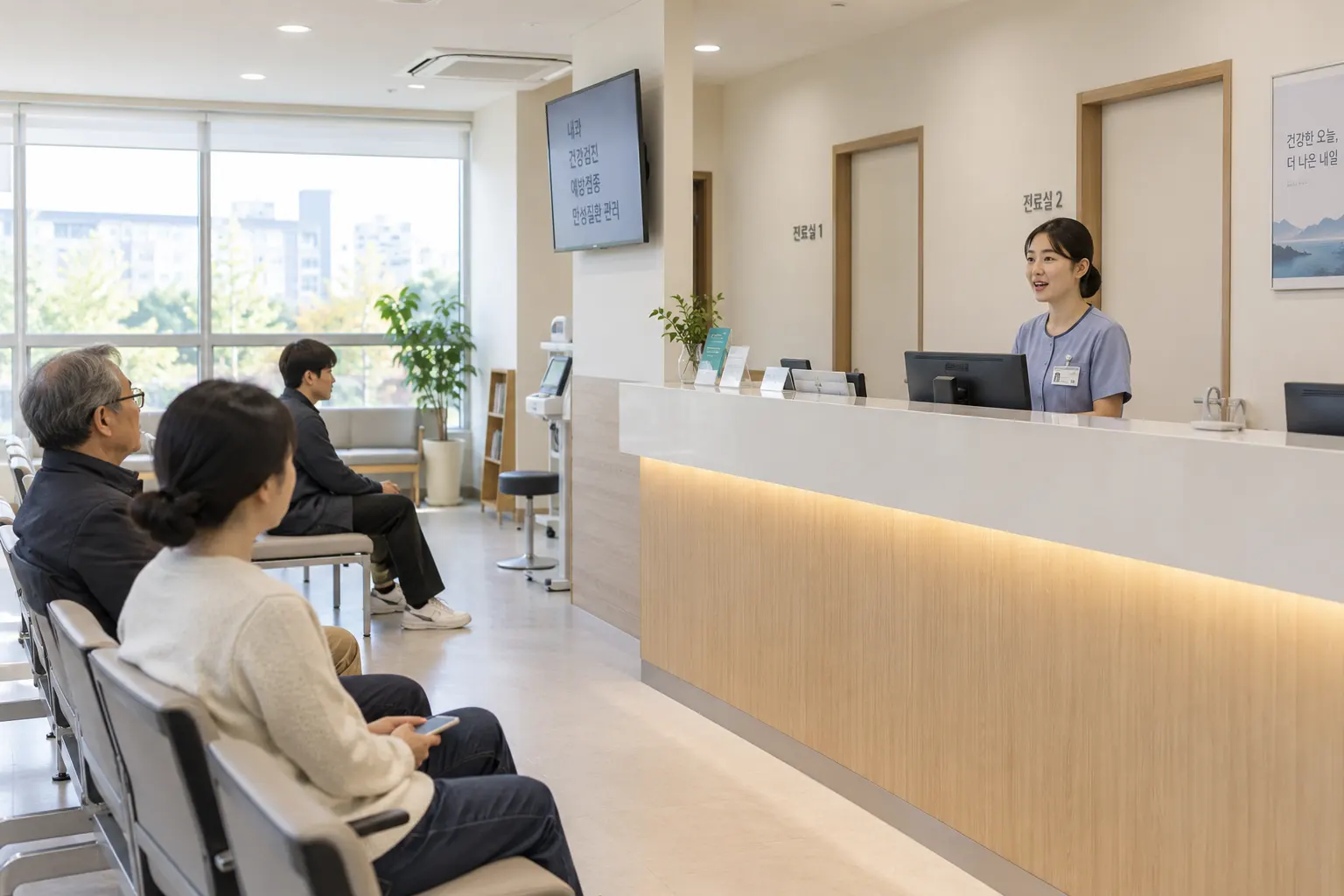
- Ophthalmology clinics (안과) handle medical eye examinations, diagnosing eye health conditions, prescribing corrective lenses when needed, and treating any actual eye conditions, this is the appropriate first stop for a comprehensive eye health check or if you're experiencing any vision problems beyond a routine prescription update.
- Optical shops (안경원) handle glasses fitting, frame selection, and lens crafting based on a prescription, many optical shops also offer basic vision testing sufficient for a straightforward glasses prescription update, without requiring a full ophthalmology clinic visit, particularly for routine, uncomplicated vision correction needs.
- For a simple prescription update with no other eye health concerns, many people go directly to an optical shop, which can perform an adequate refraction test for glasses purposes, reserving the ophthalmology clinic specifically for actual eye health concerns or a more comprehensive medical exam.
What National Health Insurance Covers Here
- Ophthalmology clinic visits for actual eye health concerns are generally covered under standard NHI copay structures, similar to other medical specialties.
- Routine vision tests purely for glasses prescription purposes, particularly when performed at an optical shop rather than a medical clinic, generally aren't covered under NHI in the same way, since this isn't classified as medical treatment in the same sense.
- Glasses and frames themselves are generally not covered under NHI at all, this is an entirely out-of-pocket retail purchase, similar to how vision coverage works in many countries where basic health insurance doesn't extend to corrective eyewear costs.
Getting Glasses Made: What to Expect
- Vision testing, either at an optical shop or following an ophthalmology clinic prescription, establishes your specific lens requirements.
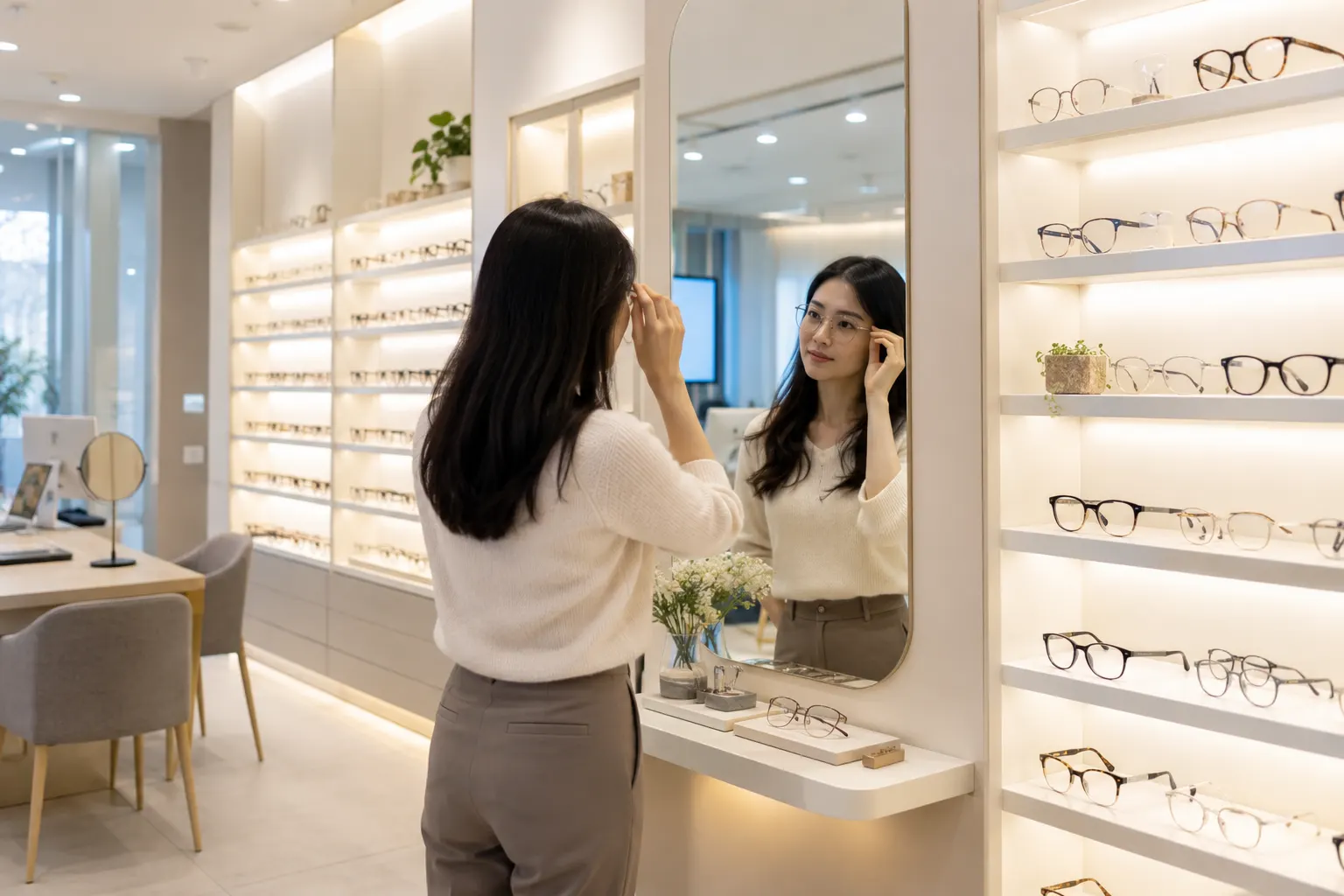
- Frame selection, Korean optical shops generally offer an extensive range of frame styles and price points, from budget-friendly options to premium designer frames, browsing multiple shops for style and pricing comparison is common practice rather than settling on the first shop visited.
- Lens customization, various lens types (thin, anti-glare, blue light filtering, and similar options) are commonly offered, each affecting the final price, understanding what specific lens features you actually want versus what's simply upsold matters for managing cost.
- Turnaround time, many Korean optical shops offer notably fast glasses production, sometimes same-day or within a day or two for straightforward prescriptions, faster than the multi-week turnaround common in some other countries.
Cost Expectations
- Basic frames and standard lenses are generally quite affordable in Korea compared to many other countries, a combination of competitive optical retail pricing and generally efficient domestic lens manufacturing.
- Premium frames and specialized lens features scale up in cost similarly to how premium options work in any retail context, comparing a few shops for the same specific frame and lens combination can reveal meaningful price variation.
- Contact lenses, both for vision correction and any color or cosmetic contact lenses, are widely available, though contact lens fitting for first-time wearers generally benefits from proper fitting guidance at an ophthalmology clinic rather than purchasing based on a glasses prescription alone.
Common Misunderstandings
A frequent assumption among foreign residents is that any vision-related need requires a formal medical eye clinic visit first. In practice, for straightforward glasses prescription updates without other eye health concerns, going directly to an optical shop is standard, efficient practice, reserving the ophthalmology clinic specifically for actual eye health issues, comprehensive exams, or first-time contact lens fitting.
Another common point of confusion involves assuming glasses costs are covered under National Health Insurance the way some other medical expenses are, glasses and frames represent an entirely separate, out-of-pocket retail category, distinct from the medical eye care that NHI does partially cover.
Finding English-Language Support
- Larger optical shop chains, particularly in Seoul's more international districts or near universities, are more likely to have staff comfortable assisting in English than smaller independent neighborhood shops.
- International clinics at major hospitals generally have ophthalmology departments with more established English-language support than a standalone neighborhood eye clinic, worth considering for a more comprehensive first eye exam if you're new to Korea and want a thorough baseline check.
Quick Summary
- Eye clinics (안과) handle medical eye health exams and diagnosis, while optical shops (안경원) handle glasses fitting and can perform basic vision tests sufficient for routine prescription updates.
- National Health Insurance covers actual medical eye care but generally not routine vision testing performed purely for glasses purposes, and doesn't cover glasses or frames themselves.
- Korean optical shops generally offer fast turnaround, often same-day or within a couple of days, along with a wide range of frame and lens options at generally competitive pricing.
- Reserve an ophthalmology clinic visit for actual eye health concerns or a comprehensive first exam, and go directly to an optical shop for a routine prescription update without other symptoms.