How Gym Culture and Fitness Options Work for Foreigners in Korea
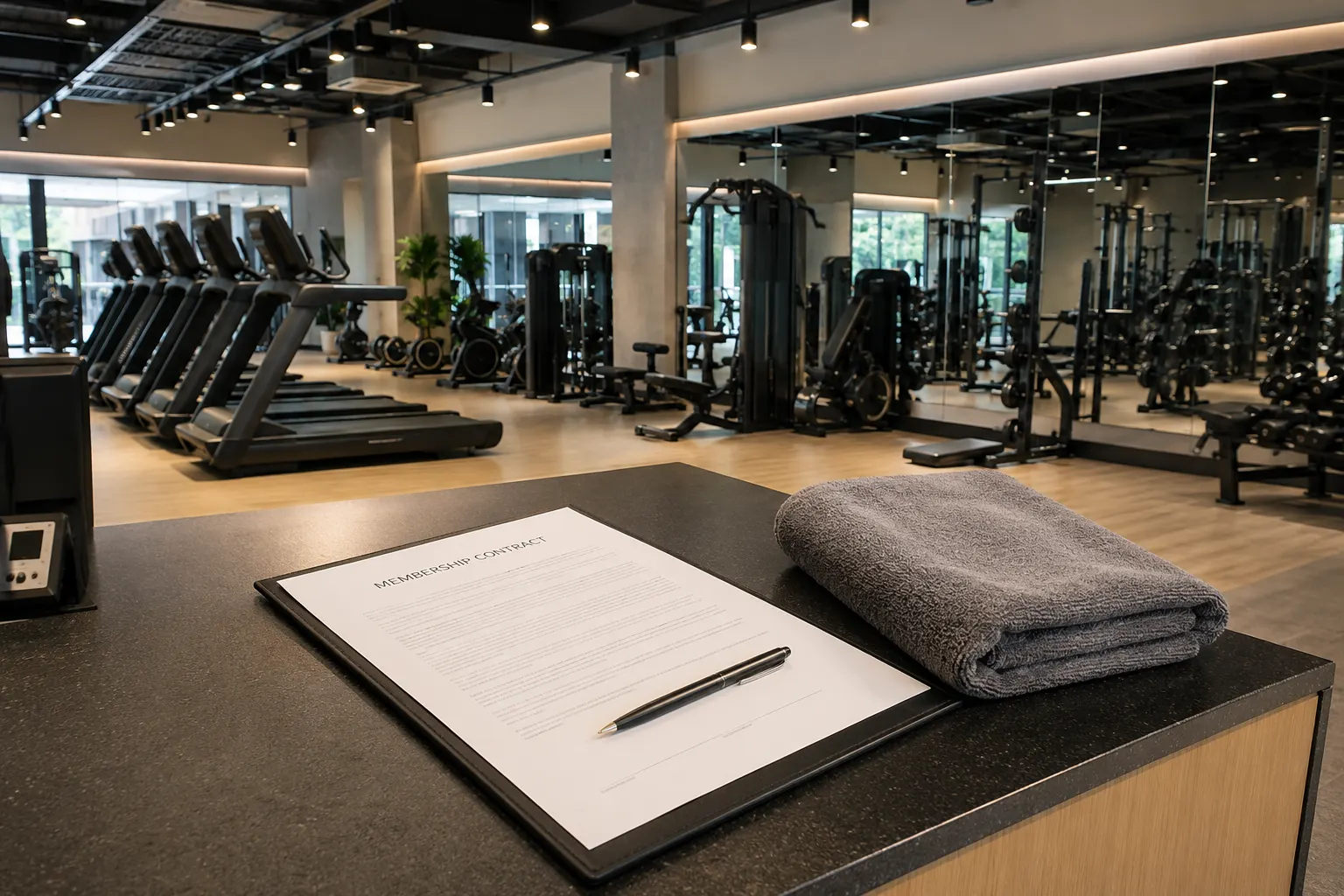
If you've walked into a Korean gym expecting the same drop-in flexibility you might find elsewhere, you may have run into a wall of Korean-only signage, a staff member confused by your request for a single-day pass, or a contract structure that assumes you're committing for months, not weeks. Korea's fitness culture is genuinely accessible once you understand how it's structured, but the defaults are different enough from many other countries that a bit of orientation helps.
Here's how gyms, fitness studios, and general exercise culture actually work in Korea for foreign residents.
Membership Structures Are Built Around Commitment
Unlike some countries where month-to-month, no-commitment gym memberships are the norm, many Korean gyms (헬스장) default to longer-term contracts, often 3, 6, or 12 months, sometimes with meaningfully better per-month pricing at longer commitments and correspondingly worse value for short-term or month-to-month options.
- Short-term or month-to-month memberships exist but are often priced at a premium compared to the per-month cost of a 6 or 12-month contract, worth calculating the actual cost difference before assuming month-to-month is automatically more flexible and better value.
- Freezing or pausing memberships for travel or illness is sometimes possible but isn't universal, checking a gym's specific pause policy before signing a longer contract avoids paying for unused months later.
- Personal training (PT) packages are commonly sold in blocks of sessions (10, 20, 30 sessions) rather than ongoing subscriptions, and PT costs in Korea can be substantial, often ranging widely depending on the trainer's experience and the gym's location.
Where to Actually Work Out
- Standard commercial gyms range from small neighborhood operations to larger chains, quality and equipment vary significantly, and English signage or staff English ability is inconsistent outside of gyms specifically in foreign-heavy neighborhoods.
- Public sports facilities, run by local district offices, often offer significantly cheaper access to pools, gyms, and sports courts compared to private commercial gyms, though scheduling and language support vary by district.
- Boutique fitness studios (yoga, pilates, crossfit-style gyms, climbing gyms) have grown substantially in major cities, often with more flexible class-based pricing rather than long-term contracts, and some cater specifically to English-speaking clientele in areas with larger foreign populations.
- Public parks and outdoor exercise equipment, common throughout Korean neighborhoods and along riverside paths, offer a free alternative many foreign residents don't realize exists until they've been in Korea a while.
What Foreigners Commonly Misunderstand
A frequent assumption is that fitness culture in Korea revolves entirely around large commercial gym chains. In practice, running along the Han River, joining a local sports club (many neighborhoods have amateur badminton, soccer, or basketball groups that welcome newcomers), or using free public facilities are all common and genuinely popular ways Koreans stay active, not just a niche alternative to gym membership.
Another common misunderstanding involves locker room and shower etiquette, Korean gym locker rooms generally expect full nudity in shower and sauna areas, similar to jjimjjilbang (public bathhouse) culture, rather than the more private shower-stall norms common in some other countries, this can catch first-time visitors off guard if they're not expecting it, though it's a completely normal and unremarkable part of gym culture once you're used to it.
Signing Up: What to Bring and Expect
- Most gyms require a basic sign-up form, and larger chains sometimes have English-language staff or materials, particularly in Seoul's more international districts.
- Payment is typically upfront for your full membership term, rather than recurring monthly billing, worth clarifying before signing since this affects your total upfront cost significantly compared to a pay-as-you-go model.
- Some gyms offer a trial day or single visit for a smaller fee if you want to check the facility and equipment before committing to a longer contract.
- ARC or ID is sometimes requested at sign-up, particularly for longer-term contracts, similar to other Korean service registrations.
Common Mistakes to Avoid
- Signing a long contract without checking the cancellation and refund policy first. Early cancellation penalties can be significant, and Korean consumer protection rules around gym contracts, while they exist, aren't always straightforward to navigate as a foreign consumer unfamiliar with the process.
- Assuming a class-based studio (yoga, pilates) works like a standard gym membership. These often sell packages of a set number of classes rather than unlimited monthly access, worth checking specifically.
- Not asking about off-peak pricing or hours. Some gyms offer meaningfully cheaper rates for off-peak time slots, useful if your schedule is flexible.
- Overlooking public facilities entirely. District-run sports centers are often significantly cheaper than private gyms and worth checking before committing to a pricier commercial option.
Quick Summary
- Korean gyms typically favor longer-term contracts (3–12 months) with better per-month value than short-term or month-to-month options, checking cancellation policy before signing matters.
- Public district sports facilities, outdoor exercise areas, and local sports clubs offer cheaper or free alternatives to commercial gym membership that many foreign residents overlook.
- Locker room and shower norms in Korean gyms generally follow the same full-nudity convention common in jjimjjilbang culture, different from norms in some other countries.
- Personal training and studio classes are usually sold in session packages rather than subscriptions, worth clarifying pricing structure before committing to either.