How Health Checkups and Vaccinations Work for Foreign Residents in Korea
If your employer in Korea has scheduled you for a mandatory health checkup, or you're trying to figure out how to get routine vaccinations without a lifetime of Korean medical records, the system is more structured than you might expect, but it isn't always clearly explained to foreign residents. Between employer-required checkups, National Health Insurance-subsidized screenings, and figuring out vaccination records that don't automatically transfer from your home country, there's a fair amount to untangle.
Here's how routine health checkups and vaccinations actually work for foreign residents in Korea.
Employer-Required Health Checkups
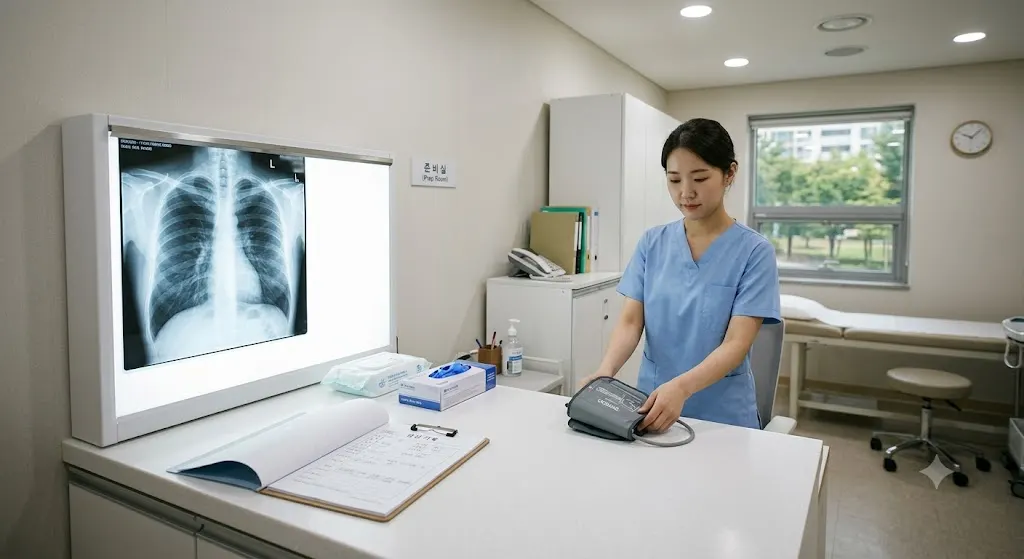
Korean labor law generally requires employers to provide periodic health checkups for employees, and this applies to foreign workers on standard work visas the same as Korean employees.
- General workers typically receive a checkup every two years, covering basic screening like blood tests, vision, hearing, and general physical assessment.
- Employees in certain higher-risk industries (manufacturing, certain physical labor categories) may be required to undergo more frequent or specialized checkups, depending on the specific occupational health regulations tied to their role.
These checkups are typically *free to the employee**, covered through National Health Insurance and employer obligations rather than billed as a personal medical expense.
A common point of confusion for foreign employees is not realizing this is mandatory rather than optional, some assume it's a voluntary company benefit and skip it, when in fact employers are legally required to ensure it happens and can face penalties for non-compliance.
National Health Insurance Screening Benefits
Beyond employer-arranged checkups, National Health Insurance in Korea also provides subsidized general health screenings to enrolled members, including foreign residents enrolled in the system, generally on a biennial basis for the standard screening package.
- These screenings typically include basic blood work, blood pressure, BMI assessment, and screening questions related to common health risk factors.
- Additional targeted screenings (certain cancer screenings, for example) become available at specific age thresholds, similar to how many national screening programs are structured internationally.
- Screening notifications are typically sent to your registered address or through NHIS communication channels, often in Korean, so it's worth periodically checking your NHIS status directly, or asking a Korean-speaking contact, rather than waiting for a notice you might not fully understand to arrive.
Vaccinations: What Doesn't Transfer Automatically
A frequent misunderstanding among new arrivals is assuming vaccination records from their home country are automatically recognized or on file within the Korean healthcare system. In practice, there's no automatic international transfer of vaccination history, Korean clinics and hospitals generally don't have access to your home country's immunization records unless you bring documentation yourself.
- Bringing a physical or digital copy of your vaccination history from your home country, ideally with an English or translated summary, helps a Korean doctor assess what you may still need without repeating vaccinations unnecessarily.
- Routine vaccinations (seasonal flu, certain boosters) are widely available at clinics and pharmacies in Korea, and National Health Insurance often subsidizes specific seasonal vaccines, particularly during flu season, for eligible groups.
- Travel or specialized vaccinations not part of Korea's standard routine schedule may require a visit to a travel medicine clinic or specific hospital department, rather than a general neighborhood clinic.
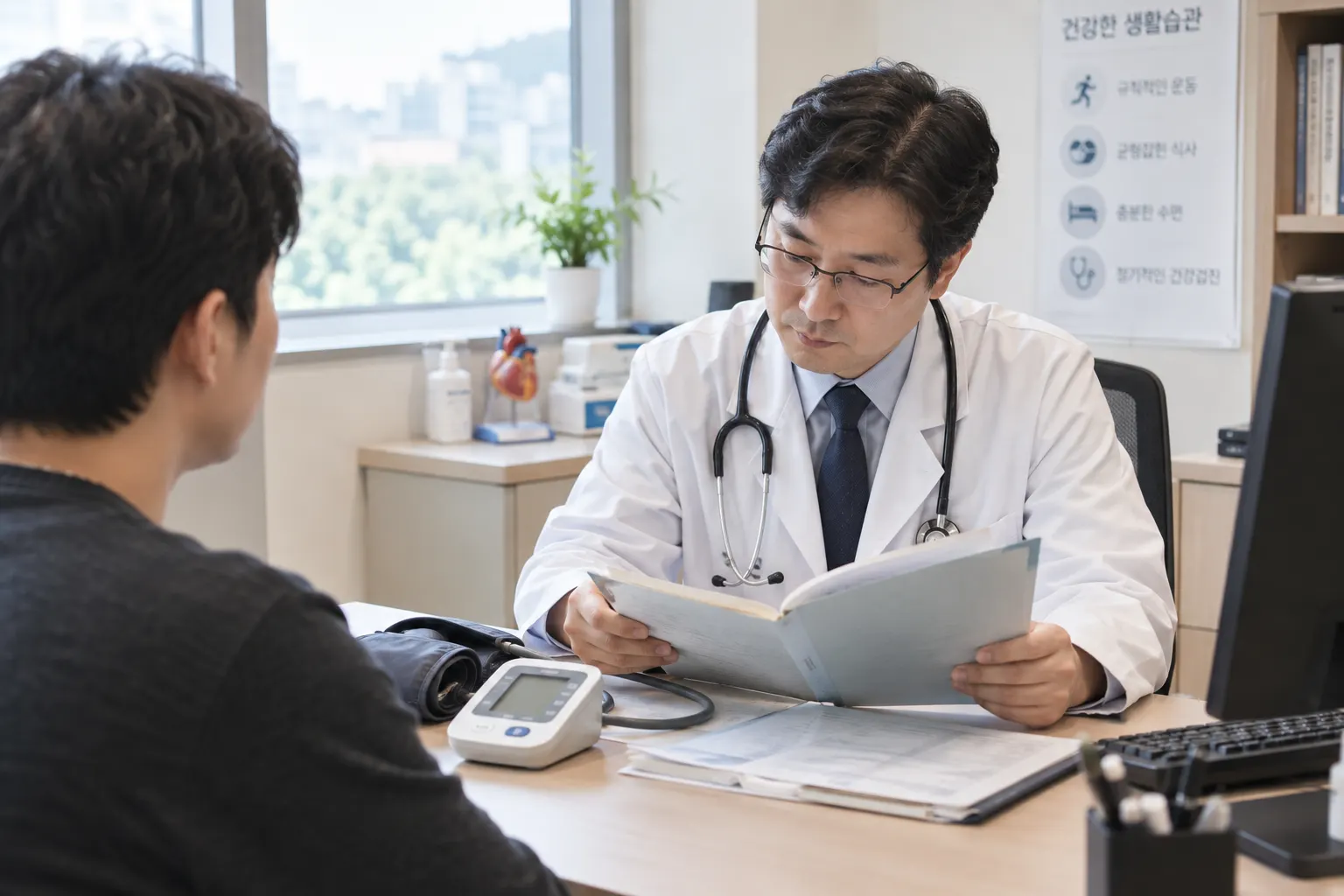
If you're unsure what vaccinations you've had, especially with fragmented records across different countries or health systems, discussing this directly with a Korean doctor, who can advise on titers (blood tests confirming existing immunity) rather than assuming you need to restart a full vaccination series, tends to be more efficient than guessing.
Costs You Should Expect
- Employer-mandated checkups are typically free to the employee, arranged directly through the employer with a designated clinic or hospital.
- NHIS-subsidized general screenings usually involve minimal to no out-of-pocket cost for the standard package, though additional tests beyond the standard screening may carry a copay.
- Routine vaccinations at a pharmacy or clinic, if not covered under a specific subsidized program, typically cost a modest amount per dose, prices vary by vaccine type and provider.
- Travel-specific vaccinations tend to be less standardized in pricing and are generally paid fully out of pocket, since these fall outside routine domestic healthcare coverage.
Common Mistakes Foreign Residents Make
- Skipping mandatory employer checkups, assuming they're optional, when in fact both the employee and employer can face issues for non-compliance.
- Assuming vaccination records transfer automatically, leading to either unnecessary repeat vaccinations or gaps in protection that go unnoticed.
- Not registering properly with National Health Insurance early, which can delay access to subsidized screening benefits that only become available once enrollment is active and sufficiently established.
- Ignoring NHIS screening notifications because they're in Korean, missing free or subsidized screening opportunities as a result.
Quick Summary
- Employers in Korea are legally required to provide periodic health checkups to employees, generally every two years, at no cost to the employee.
- National Health Insurance also offers subsidized general health screenings to enrolled members, including foreign residents, typically on a biennial basis.
- Vaccination records don't transfer automatically between countries, bringing documentation from home and discussing gaps directly with a Korean doctor avoids unnecessary repeat vaccinations.
- Routine vaccinations are widely available at clinics and pharmacies, while travel-specific vaccinations generally require a specialized clinic and are paid out of pocket.