How Korean Public Health Screenings and Preventive Care Actually Work
If you've received a notice about a free or subsidized health screening in Korea and weren't sure whether it was legitimate, what it actually covers, or whether you're even eligible as a foreign resident, Korea's preventive care system is genuinely more structured and proactive than what many foreign residents are used to, but the notices and process aren't always clearly explained in English, leading some eligible residents to simply ignore them.
Here's how Korea's public health screening system actually works, and what foreign residents are genuinely entitled to.
The National Screening Program Structure
Korea's National Health Insurance Service runs a structured general health screening program available to enrolled members, including foreign residents properly enrolled in NHI, generally on a biennial (every two years) basis for standard adult screening.
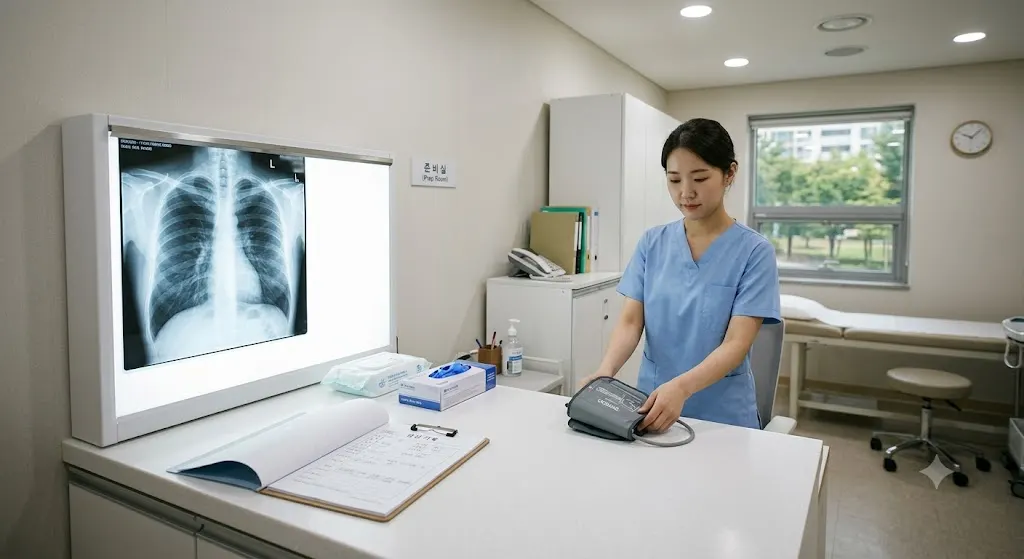
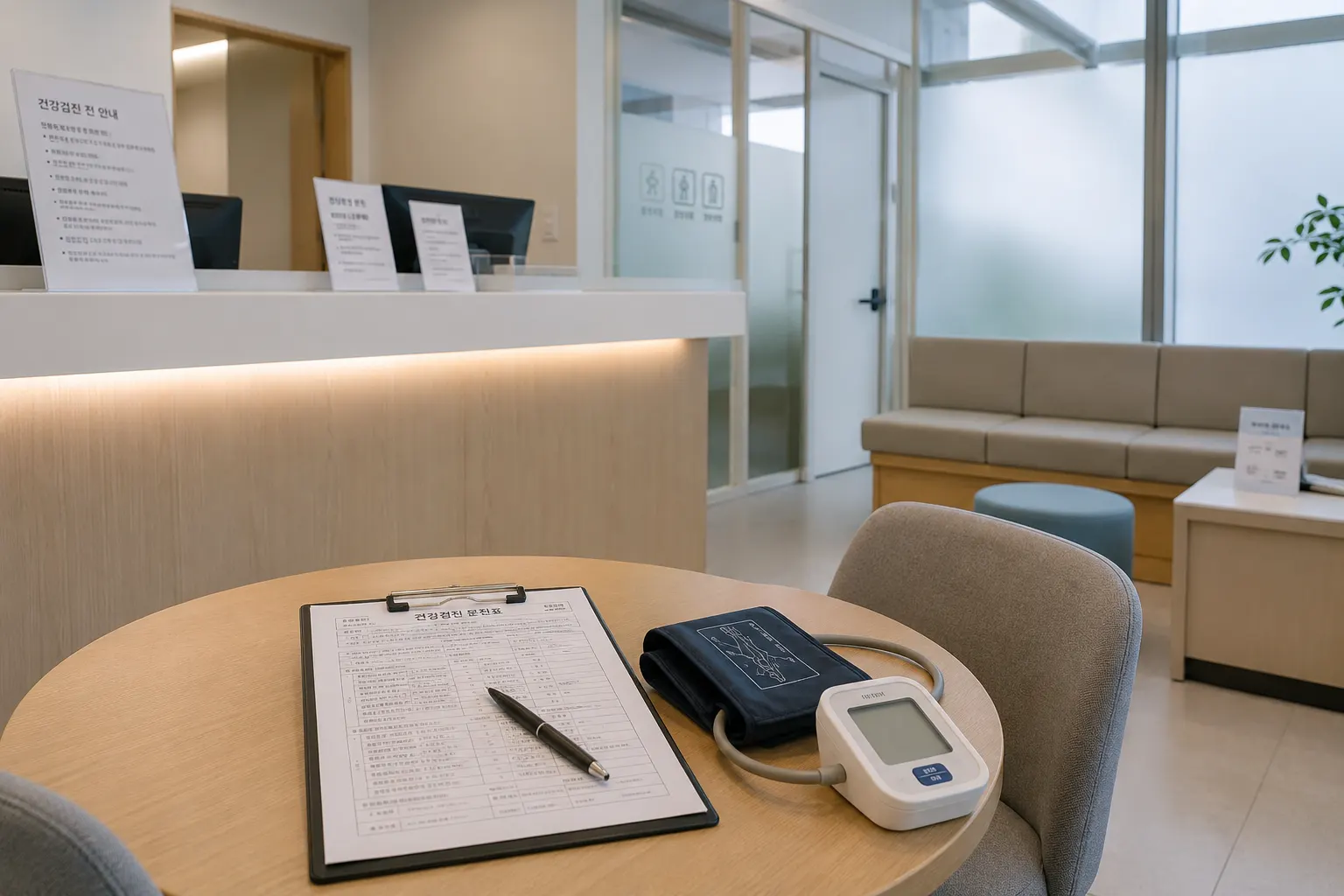
- General screening typically includes blood pressure, blood tests (cholesterol, blood sugar, liver function, and similar basic panels), BMI assessment, vision and hearing checks, and a health risk questionnaire covering lifestyle factors.
- Additional targeted screenings become available at specific age thresholds, certain cancer screenings (stomach, colorectal, breast, cervical, depending on age and gender) are added to the standard screening package once you reach the relevant eligible age.
- Screening cost to the individual is generally minimal to none for the standard package, since it's substantially subsidized through National Health Insurance as a preventive care investment rather than treated as a standard billed medical visit.
Why Foreign Residents Often Miss This Benefit
- Screening notifications are typically sent in Korean, through mail or NHIS digital communication channels, without automatic English translation, a notice that looks like routine mail or an unfamiliar digital notification is easy to overlook or dismiss without realizing its actual content.
- Awareness of the program itself isn't always covered in typical foreign resident orientation materials focused more on visa and immediate settling-in logistics than on preventive healthcare specifically, many foreign residents simply don't know the benefit exists until they happen to hear about it from a colleague or friend.
- Checking your own NHIS enrollment and screening eligibility status directly, rather than waiting for a notice you might not fully understand, is the more reliable way to actually access this benefit if you suspect you might be eligible and haven't received clear notification.
What Happens During a Standard Screening
A typical general health screening appointment generally involves:
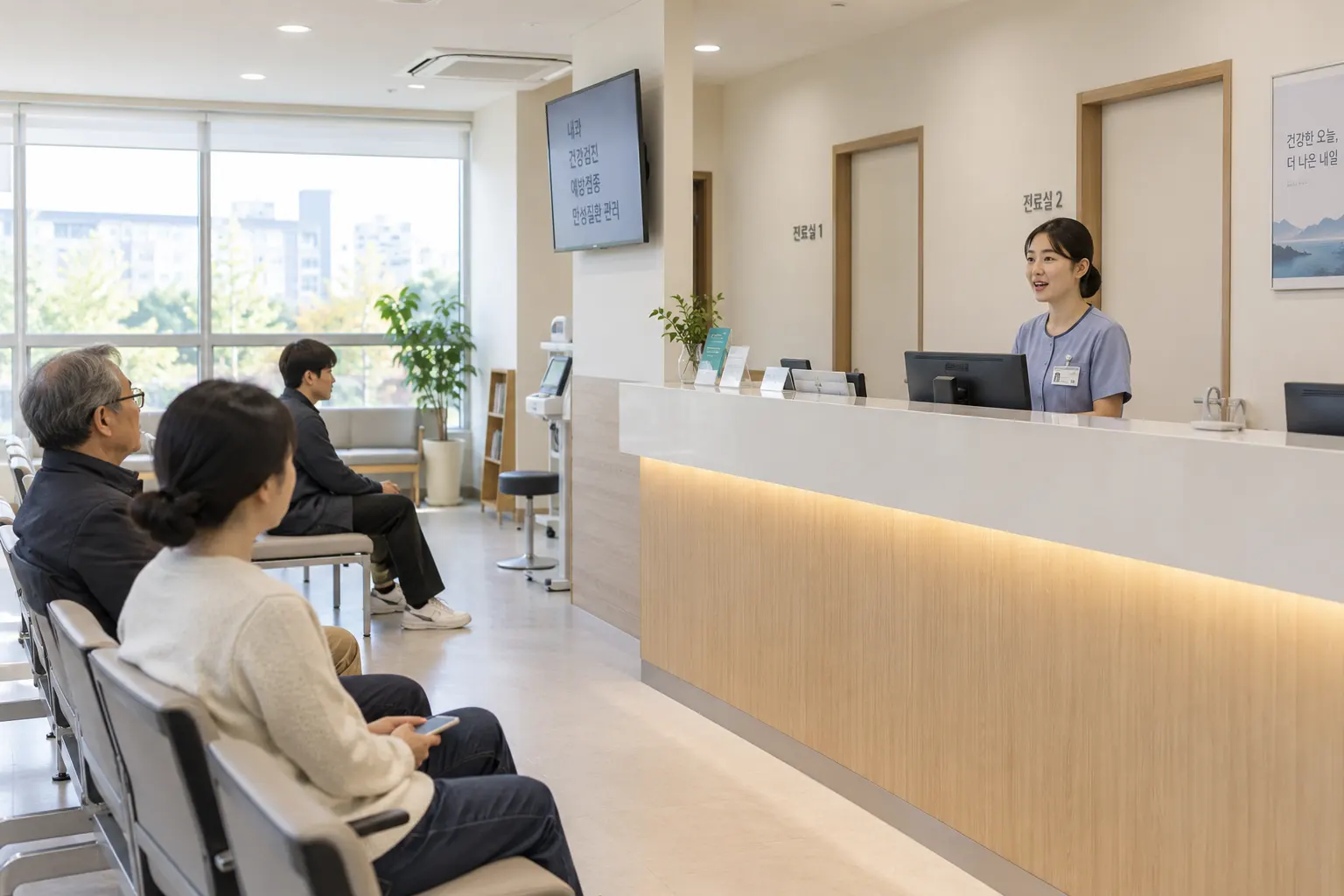
- Registration and basic intake, confirming your NHIS enrollment status and reviewing the specific screening package applicable to your age and eligibility category.
- Blood draw and basic physical measurements, blood pressure, height, weight, and similar standard vital measurements.
- A lifestyle and health history questionnaire, covering diet, exercise, smoking, drinking, and family health history, contributing to a broader risk assessment beyond just the physical test results.
- Results delivery, generally provided within a few weeks, sometimes through a physical letter, sometimes through a digital NHIS portal, understanding which delivery method your specific screening provider uses helps you actually access your results promptly.
What to Do If Results Show a Concern
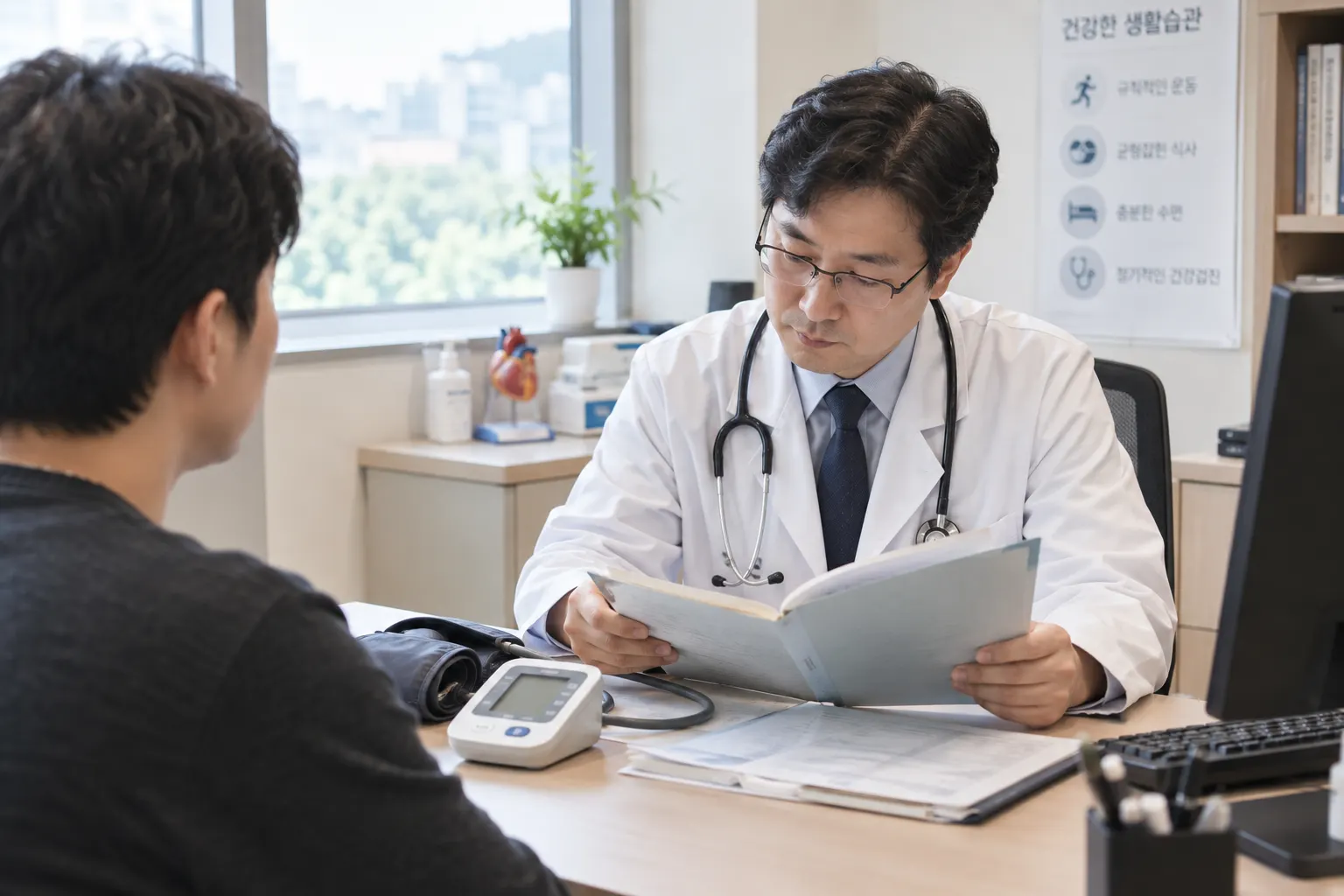
If a screening result flags something for follow-up, elevated blood pressure, abnormal blood sugar, or similar, the screening itself generally isn't diagnostic on its own, it's designed to flag areas warranting further evaluation with a specialist or your regular doctor, rather than providing a final diagnosis. Following up promptly with a clinic visit to discuss flagged results, rather than either ignoring them or assuming the screening itself constitutes a complete diagnosis, is the appropriate next step.
Common Mistakes Foreign Residents Make
- Ignoring screening notifications because they're in Korean, missing a genuinely valuable, low-cost preventive care opportunity as a result.
- Not proactively checking eligibility if a notice hasn't arrived or was missed, rather than waiting passively, contacting NHIS directly or asking at a local clinic about your screening eligibility status is a reasonable, proactive step.
- Treating a clean screening result as a substitute for addressing specific symptoms. A general screening covers broad common risk factors, but a specific complaint or symptom warrants its own dedicated clinic visit regardless of a recent screening's results.
- Assuming screening is only for older residents. While specific additional screenings phase in at certain age thresholds, the general standard screening package is available to enrolled adults across a broad age range, not exclusively an older-adult benefit.
Quick Summary
- Korea's National Health Insurance includes a biennial general health screening benefit for enrolled members, including foreign residents, generally at minimal to no direct cost.
- Screening notifications are typically in Korean and easy to overlook, proactively checking your eligibility status directly with NHIS or a local clinic is more reliable than waiting for a notice you might miss or not fully understand.
- A standard screening covers blood tests, blood pressure, BMI, and a health questionnaire, with additional targeted screenings added at specific age thresholds.
- Flagged results warrant prompt follow-up with a specialist or regular doctor, since the screening itself is a risk-flagging tool rather than a complete diagnostic process on its own.