Seoul Heat Wave Alert: How to Stay Safe During Korea’s Hotter Summer
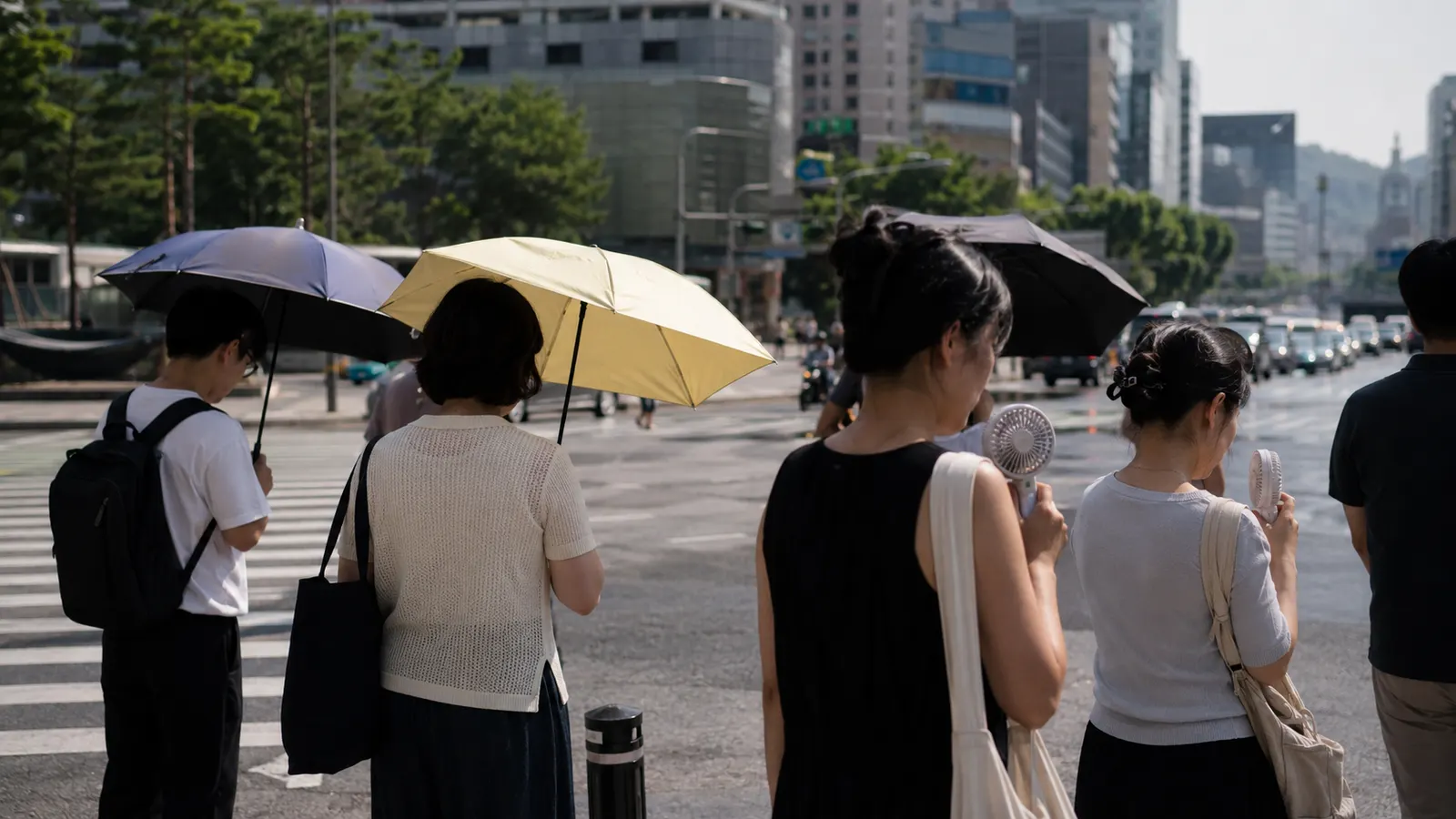
Seoul has entered the summer heat season, and visitors should take the weather seriously. The city issued its first citywide heat wave advisory of the summer in late June, as high temperatures began affecting daily life across the capital. For travelers, students and international residents, the biggest risk is underestimating how Korea’s summer feels.
The temperature is only part of the problem. Humidity, crowded streets, long subway transfers and outdoor sightseeing can make the heat feel much stronger.
What a heat wave means in Seoul
A Seoul summer can be tiring even for people used to warm weather. The hottest hours are usually from late morning to afternoon, when walking between subway stations, markets, cafes and tourist sites can quickly become draining. Tourist areas such as Myeongdong, Gyeongbokgung Palace, Bukchon Hanok Village, Hongdae and the Han River can involve more walking than expected.
Shade is not always available, and palace grounds or large plazas can feel especially hot.
Who needs to be careful
Heat can affect anyone, but some people need to be more careful. Older adults, young children, pregnant travelers and people with heart, respiratory or chronic health conditions should reduce outdoor time during peak heat. People who are not sleeping well, drinking alcohol, carrying heavy bags or walking long distances are also more vulnerable.
Travelers often forget that sightseeing is physical activity. A full day of walking, shopping and taking public transport can become a health risk in high heat.
Warning signs to watch
Heat exhaustion can start with heavy sweating, weakness, dizziness, headache, nausea or muscle cramps. If symptoms appear, move indoors, drink water slowly and cool the body with air conditioning, shade or a wet towel. Heatstroke is more serious.
Confusion, fainting, very high body temperature or symptoms that do not improve should be treated as an emergency. In Korea, emergency services can be reached by calling 119.
How to plan a safer summer day
Start earlier in the morning. Use the middle of the day for indoor activities such as museums, malls, cafes, department stores, aquariums or hotel rest. Move outdoor attractions to the morning or evening.
Carry water, use sunscreen and avoid tight schedules that require constant subway transfers. For families, it is better to plan fewer stops and leave time for breaks. For older travelers, taxis may be worth using during the hottest part of the day, especially when moving between areas without direct subway access.
What visitors should remember
Korea is still very enjoyable in summer, but the pace needs to change. A good summer itinerary is slower, cooler and more flexible. The best approach is simple: go outside early, stay indoors during peak heat, drink water before feeling thirsty and treat warning signs seriously.
That can make the difference between a memorable Korea trip and a dangerous summer day.