Health
How Korean Hospital Accompaniment and Caregiver Culture Actually Works
By New In Korea TeamPublished Updated
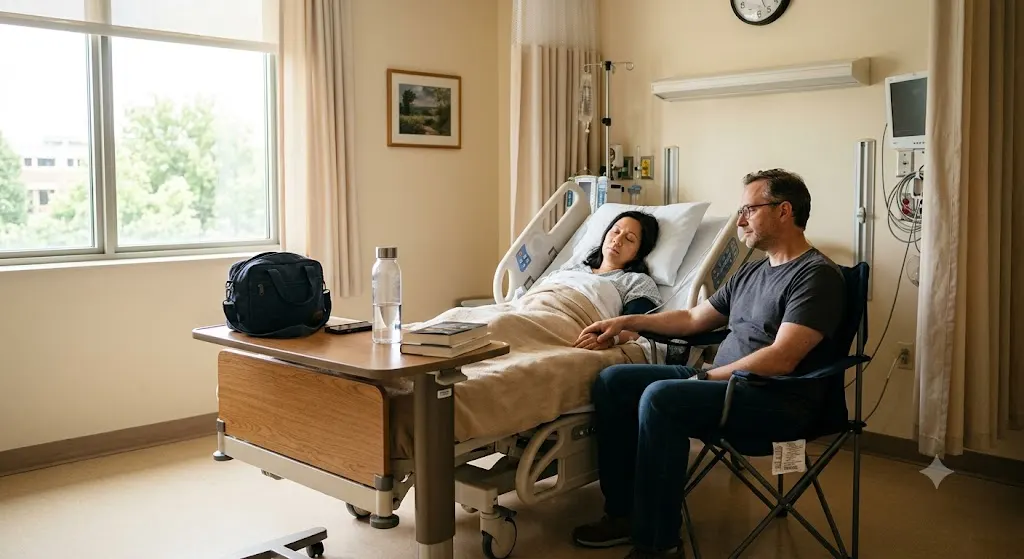
If you've visited someone hospitalized in Korea, or anticipate needing to support a family member or close friend through a hospital stay, and noticed Korean hospitals seem to expect more active family or companion involvement than you might be used to, understanding how Korean hospital caregiver culture and accompaniment norms actually work helps you navigate this unfamiliar expectation, whether as a patient's support person or as the patient yourself.
Here's how Korean hospital accompaniment and caregiver culture actually works.
Why Family and Companion Involvement Matters More in Korean Hospitals
- Korean hospitals traditionally rely more heavily on family or designated caregiver involvement for certain aspects of patient care during a hospital stay than hospital systems in some other countries, where nursing staff might handle a broader range of direct patient care tasks independently, this reflects a genuinely different cultural and structural approach to hospital care rather than simply a staffing or resource gap.
- Specific tasks sometimes expected of a family caregiver can include assistance with daily activities, meal support, and general comfort and monitoring presence, particularly for longer hospital stays, understanding this expectation in advance helps you prepare appropriately if you're supporting someone through a Korean hospitalization.
- This pattern has been evolving, particularly at larger, more modern hospitals and with increased awareness of caregiver burden, with growing availability of professional paid caregiver services as an alternative or supplement to family involvement, understanding both the traditional pattern and the evolving alternatives helps you navigate your specific situation appropriately.
Professional Caregiver Services as an Alternative
- Paid professional caregiver services (간병인) represent a genuine alternative to family-provided care during a hospital stay, particularly relevant for foreign residents without extensive family support readily available in Korea, or for situations where a family member genuinely can't provide extended hospital presence.
- These services are generally arranged either through the hospital directly or through a specific caregiver agency, understanding your specific hospital's process for arranging this kind of support, and the associated cost, which is generally not covered under standard National Health Insurance and represents an out-of-pocket expense, matters for planning appropriately if you anticipate needing this kind of support.
- Quality and specific service scope vary by provider, similar to evaluating any care service, researching a specific caregiver service's reputation and understanding exactly what care tasks are included matters for making an informed choice if you're arranging this kind of support.
What to Expect as a Patient Without Extensive Local Family Support
- Discuss your specific situation proactively with hospital staff, particularly if you're a foreign resident without extensive family nearby, clearly communicating that you'll need professional caregiver support or alternative arrangements rather than assuming hospital staff will automatically understand or accommodate your specific situation without this communication.
- Research caregiver service options before you actually need them, if you're managing a condition that might eventually require hospitalization, having some advance understanding of available professional caregiver services and their general cost helps you make a more informed, less stressful decision if the need actually arises.
- Understand what hospital staff do handle directly versus what traditionally falls to family or caregiver support, this varies by specific hospital and situation, clarifying directly with your specific care team what support you can expect from hospital staff alone versus what requires additional arrangement helps you plan appropriately.
Supporting a Family Member or Friend Through a Korean Hospital Stay
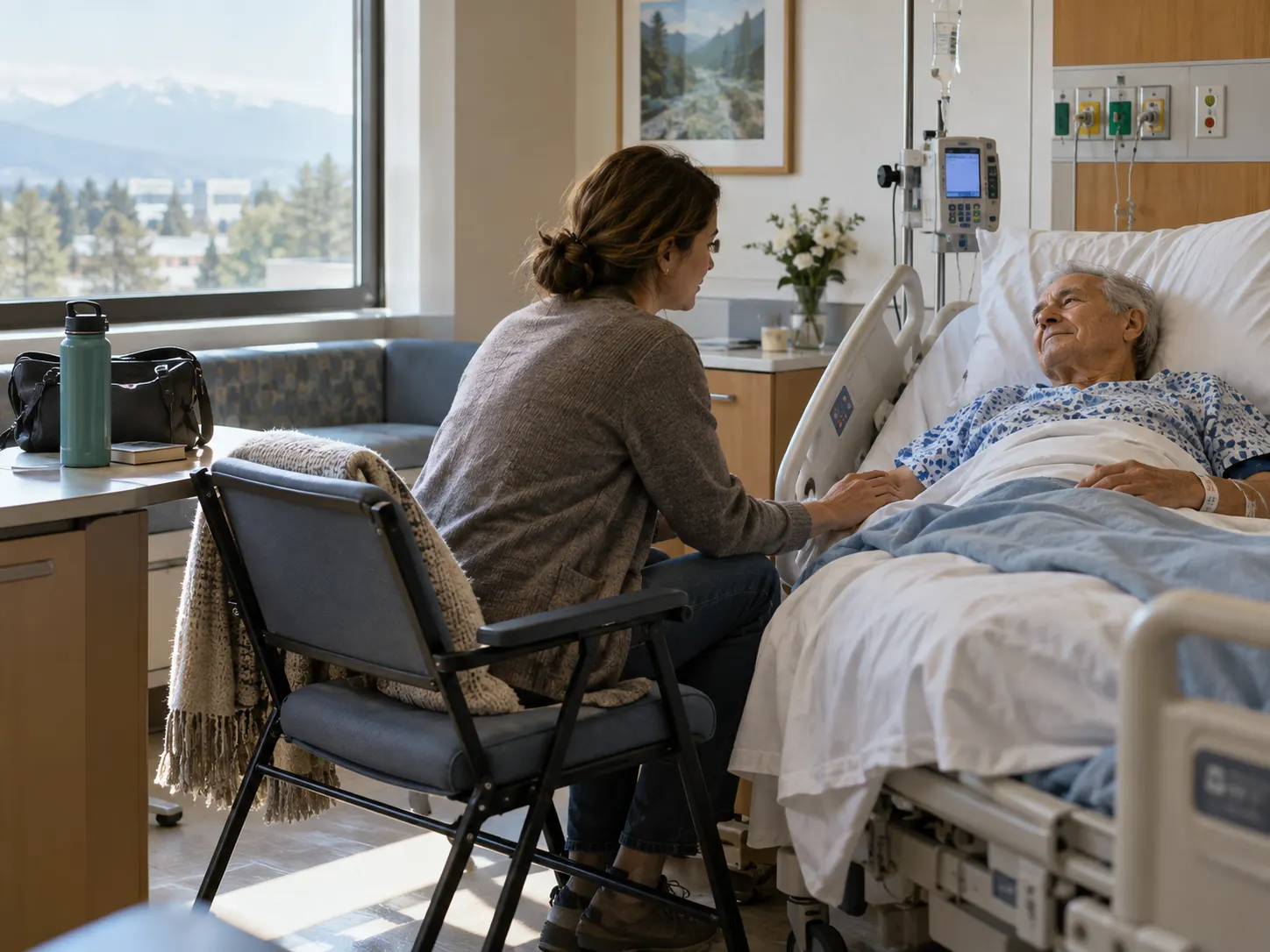
- Understanding the genuine time and presence commitment that traditional Korean hospital caregiving can involve, if you're supporting a family member or close friend through a hospitalization, having realistic expectations about the actual time commitment involved, rather than assuming a purely occasional visiting role similar to hospital visiting norms in some other countries, matters for actually providing appropriate support.
- Coordinating with other family members or friends to share caregiving responsibility across an extended hospital stay, rather than any single person bearing the entire burden, represents a common practical approach to managing this more involved caregiving expectation.
- Considering professional caregiver support as a supplement, even when family involvement is available, particularly for a longer hospitalization, combining some family presence with professional caregiver support for other periods represents a genuinely reasonable approach many families use to manage the overall caregiving demand.
Common Mistakes and Misunderstandings
- Assuming Korean hospital care works identically to a system with less family caregiver expectation, arriving unprepared for the actual level of family or caregiver involvement expected, particularly for a longer hospital stay.
- Not researching professional caregiver service options in advance, facing a stressful scramble to arrange this kind of support only after a hospitalization has already begun, rather than having some advance understanding of available options.
- Underestimating the genuine time commitment involved in supporting someone through Korean hospital caregiving norms, not adequately preparing or coordinating support across multiple people for an extended hospital stay.
- Not communicating proactively with hospital staff about a foreign patient's specific situation and support needs, missing an opportunity for hospital staff to help identify appropriate alternative arrangements when extensive family support isn't readily available.
Quick Summary
- Korean hospitals traditionally expect more active family or caregiver involvement in certain aspects of patient care during a hospital stay than some other countries' hospital systems, reflecting a genuinely different structural and cultural approach to hospital care.
- Professional paid caregiver services represent a genuine alternative, particularly relevant for foreign residents without extensive local family support, generally arranged through the hospital or a specific agency at an out-of-pocket cost.
- Proactively communicating your specific situation and support needs with hospital staff, and researching caregiver service options in advance, helps you navigate this expectation more smoothly if you anticipate needing hospital care without extensive family support nearby.
- Understanding the genuine time commitment involved in supporting someone through Korean hospital caregiving norms, and coordinating support across multiple people or combining family presence with professional caregiver services, represents a practical approach to managing this more involved expectation.