How to Visit a Pharmacy in Korea: A Foreigner's Guide to Buying Medicine
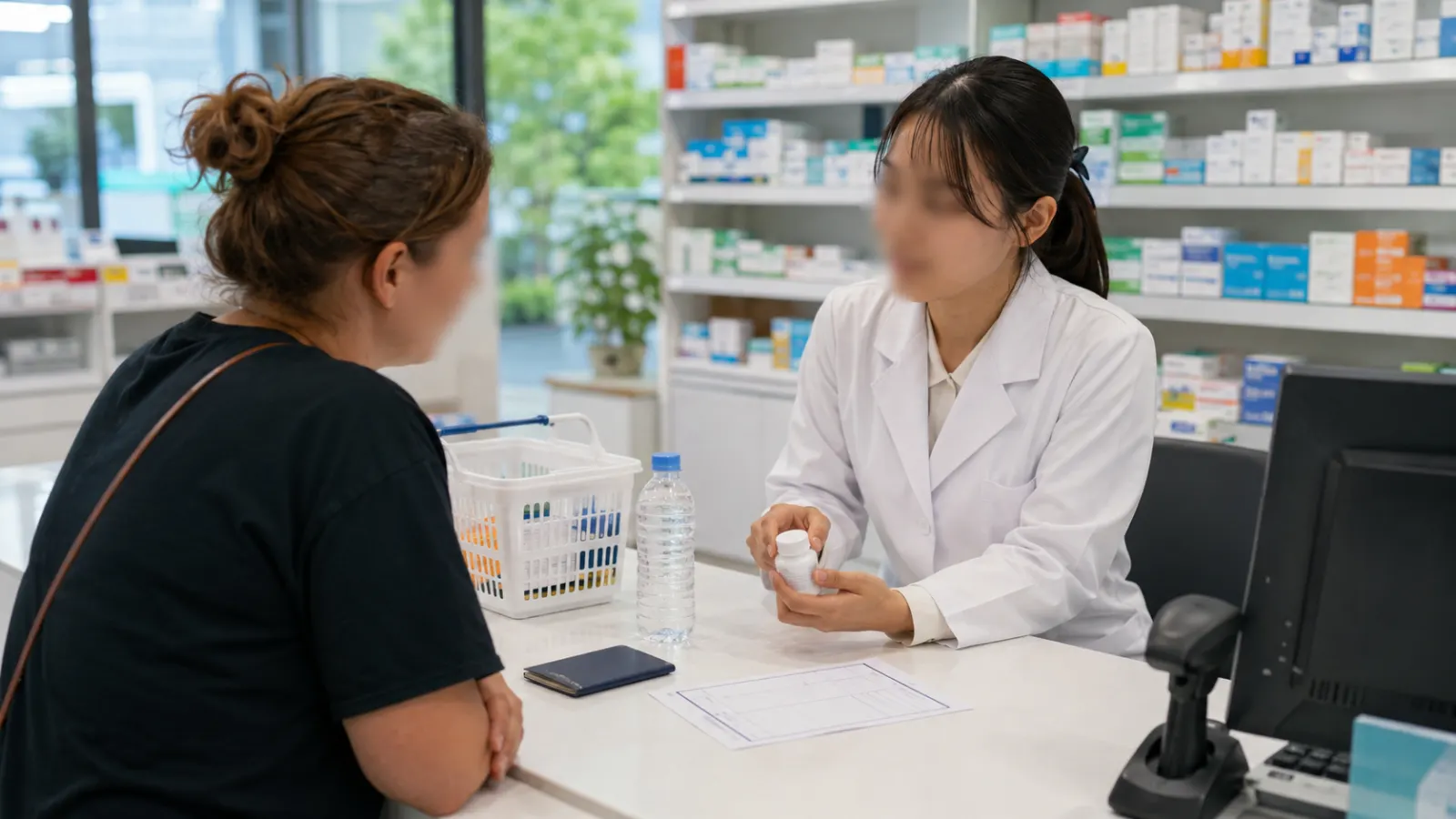
Getting sick while traveling or living in South Korea can be stressful, especially if you're unfamiliar with the healthcare system. Fortunately, pharmacies are easy to find, well-stocked, and staffed by licensed pharmacists who can help with many common health concerns.
However, one misunderstanding often catches foreigners off guard: not every medicine can be purchased directly from a pharmacy. Some medications require a prescription from a doctor, while others are available over the counter. Understanding the difference can save time and prevent unnecessary trips between clinics and pharmacies.
Here's how pharmacies in Korea work and what foreign visitors and residents should know before walking in.
When should you visit a pharmacy?
Pharmacies are the right place for many minor health issues, including:
- Headaches
- Fever
- Common colds
- Seasonal allergies
- Mild stomach problems
- Motion sickness
- Minor cuts and burns
- Vitamins and supplements
- Basic first aid supplies
If your symptoms are mild, a pharmacist can often recommend an appropriate over-the-counter medication. However, severe pain, high fever that does not improve, difficulty breathing, serious injuries, or symptoms lasting several days should be evaluated at a clinic or hospital.
Prescription medicine works differently
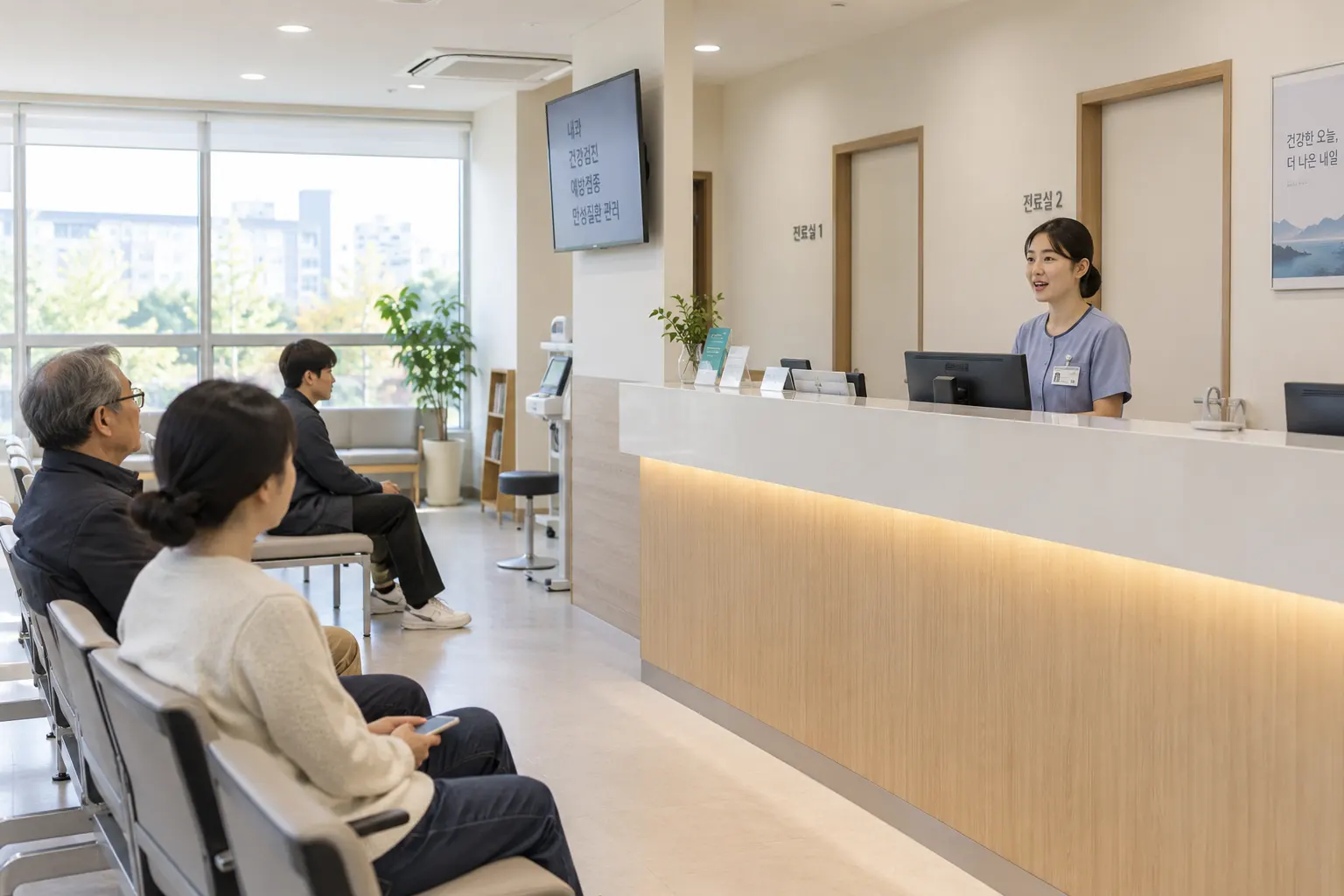
Many foreigners assume they can purchase the same medicines they normally buy in their home country. In Korea, numerous medications—including most antibiotics—require a doctor's prescription. The usual process is:
- Visit a clinic.
- Receive a prescription.
- Take the prescription to a nearby pharmacy.
- Collect your medication.
Clinics and pharmacies are separate businesses, so you generally do not receive medication directly from the doctor's office.
Can pharmacists speak English?
English support varies by location.
Pharmacies in popular tourist areas and large cities are more likely to have English-speaking staff, while smaller neighborhood pharmacies may communicate using simple English, translation apps, or medication packaging.
Helpful preparation includes:
- Knowing your symptoms in English.
- Bringing your current medication list.
- Showing photos of medicines you already take.
- Using a translation app if necessary.
Most pharmacists are experienced in helping international customers, even when language is limited.
Bringing medicine from your home country
If you regularly take prescription medication, bring enough for your trip whenever possible. Keep medicines:
- In their original packaging.
- Clearly labeled.
- Accompanied by a copy of your prescription if available.
Some medicines that are commonly available elsewhere may be regulated differently in Korea. Before traveling with controlled medications, check the latest Korean import requirements to avoid problems at customs.
Payment and insurance
Pharmacies generally accept:
- Korean credit and debit cards
- International credit cards at many locations
- Cash
- Mobile payment methods in some stores
Foreign visitors usually pay the full retail price for over-the-counter medicine. Long-term residents enrolled in Korea's National Health Insurance may pay reduced costs for eligible prescription medications.
Pharmacy opening hours
Most neighborhood pharmacies operate during standard business hours. Many close in the evening or on Sundays. If you need medicine late at night or during holidays:
- Search for a nearby late-night pharmacy.
- Visit pharmacies located near major hospitals.
- Ask your hotel or accommodation for recommendations.
Planning ahead is especially useful if you rely on regular medication.
Common mistakes foreigners make
Avoid these frequent misunderstandings:
- Expecting antibiotics without a prescription.
- Visiting a pharmacy for conditions requiring a doctor's examination.
- Waiting until medicine runs out before finding a pharmacy.
- Assuming every pharmacy is open 24 hours.
- Forgetting to bring a list of current medications.
Tips for a smoother visit
A few simple preparations can make the experience much easier:
- Learn the Korean name of any medicine you regularly use.
- Carry your passport or identification if you expect to receive prescription medication.
- Explain your symptoms clearly instead of requesting a specific brand.
- Follow dosage instructions carefully, even if the medicine looks familiar.
Final Thoughts
Korean pharmacies are convenient, professional, and widely available, making them an excellent first stop for many everyday health concerns. Understanding when a pharmacist can help—and when you need to visit a clinic first—will make navigating Korea's healthcare system much easier.
With a little preparation, buying medicine in Korea is usually straightforward, whether you're visiting for a week or living in the country long-term.
Quick Summary
- Pharmacies can treat many minor illnesses with over-the-counter medicine.
- Prescription medications require a doctor's prescription before visiting a pharmacy.
- English support varies, but translation apps and medication photos are often helpful.
- Bring regular prescription medicines in their original packaging when traveling to Korea.