Using an Emergency Room in Korea: What Foreigners Should Prepare for
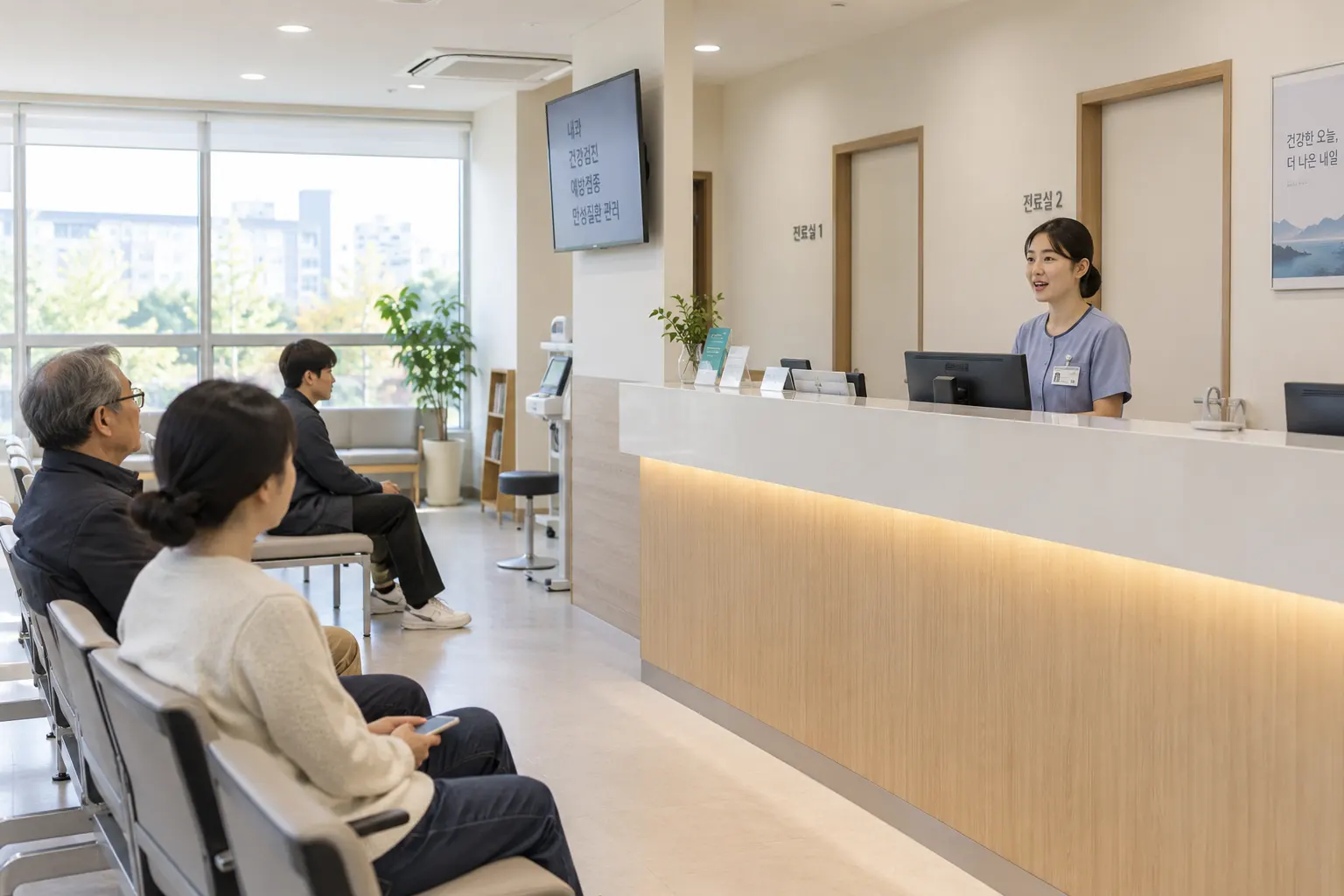
A neighborhood clinic in Korea can handle many ordinary illnesses, but some situations should not wait for a normal appointment. Severe breathing difficulty, chest pain, major injury, loss of consciousness, uncontrolled bleeding, or sudden neurological symptoms may require emergency care.
For foreign visitors and residents, the stressful part is often deciding where to go, communicating symptoms, and understanding how identification, insurance, testing, and payment will work.
An emergency room is designed for urgent medical problems. It should not be avoided solely because of language anxiety, but it should also not replace a local clinic for routine care.
When to call 119
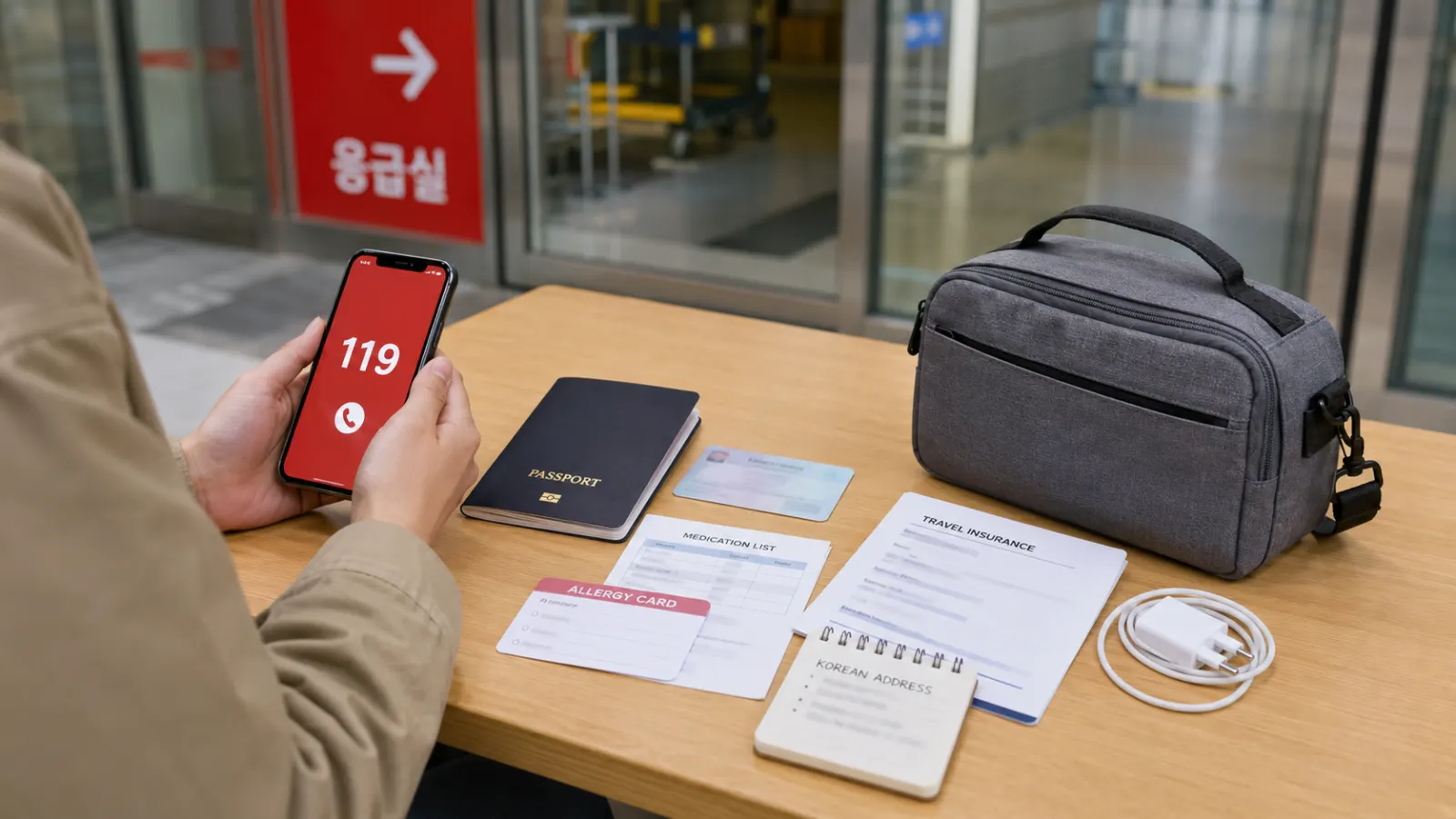
Korea’s emergency number for fire, rescue, and ambulance assistance is 119. The National Fire Agency describes Korea’s public emergency medical service as providing emergency consultation and dispatch-related support. Call 119 when a person has an immediate medical emergency or cannot safely reach care independently.
Examples can include:
- Severe breathing difficulty
- Suspected stroke
- Loss of consciousness
- Major trauma
- Serious bleeding
- Seizure
- Severe allergic reaction
- Dangerous poisoning
- Serious burns
- Immediate risk to life
Describe the location first. Use the building name, road address, floor, room number, and nearby landmark.
If Korean communication is difficult, keep sentences short and use a translation app or nearby Korean speaker when available. Do not delay the call while trying to create a perfect explanation.
Emergency room or local clinic?
A local clinic is often better for:
- Mild cold symptoms
- Stable stomach discomfort
- Minor skin problems
- Routine prescription needs
- Non-urgent back or joint pain
- Mild eye or ear symptoms
- Ordinary follow-up care
Emergency departments prioritize patients according to medical urgency rather than arrival order. A person with a non-urgent problem may wait while more serious patients are treated.
Emergency care can also cost more than an ordinary clinic visit because of emergency fees, tests, imaging, specialist consultation, procedures, and monitoring. The correct decision depends on symptoms, not convenience.
What to bring
When possible, bring:
- Passport or residence card
- Korean health-insurance information
- Travel-insurance details
- Medication list
- Allergy information
- Emergency contact
- Phone and charger
- Payment card
- Previous medical records
- Translation support
Do not spend time collecting documents during a life-threatening emergency. A photograph of medication packaging can help when you do not know the ingredient name. The exact generic drug name is more useful than a color or shape description.
Registration and triage
On arrival, staff may ask about:
- Main symptom
- When it began
- Pain level
- Injury mechanism
- Medical history
- Medication
- Allergies
- Pregnancy possibility
- Insurance status
- Identification
- Emergency contact
A triage assessment helps determine urgency. Be specific. Instead of saying “I feel bad,” explain: “Chest pressure began 30 minutes ago.”
“I fell from a bicycle and hit my head.” “I cannot keep water down and have severe abdominal pain.” Mention sudden changes and serious warning signs first.
Language support is not guaranteed
Large hospitals and international centers may offer English-speaking staff or interpretation services. Smaller emergency departments may have more limited support, especially overnight.
Prepare a short medical note on your phone containing:
- Name
- Date of birth
- Main condition
- Medication
- Allergies
- Past surgery
- Emergency contact
- Insurance provider
Translation apps can help with simple questions but may be unreliable for complex medical explanations. Ask staff to write the diagnosis, medication, and follow-up instructions when possible.
Costs cannot be predicted from one average
Emergency-room costs vary too much for one reliable average. The final bill can depend on:
- Insurance coverage
- Hospital
- Urgency level
- Laboratory tests
- CT or MRI imaging
- Medication
- Procedures
- Admission
- Specialist consultation
- Ambulance circumstances
- Private or non-covered services
Online personal stories show why broad claims can be misleading: reported emergency bills differ dramatically according to the care received and insurance situation. Ask for an estimate when the situation is stable enough, but do not delay urgent treatment while negotiating every possible charge. Tourists should carry travel insurance appropriate to their health and itinerary.
Payment and insurance documents
A hospital may request payment before discharge or handle billing according to its own process. If you plan to claim through travel or private insurance, request:
- Itemized bill
- Payment receipt
- Diagnosis certificate
- Medical report
- Prescription
- Test results
- Admission and discharge records
- Doctor’s note when required
Ask what documents can be issued in English and whether an additional fee applies. Keep the original documents and scanned copies. Insurance companies may require prompt notice, especially for hospital admission or expensive treatment.
Emergency room does not guarantee admission
Being treated in the emergency department does not mean you will stay in the hospital. After evaluation, the medical team may:
- Discharge you
- Prescribe medication
- Recommend a specialist clinic
- Transfer you
- Admit you
- Ask you to return if symptoms worsen
Before leaving, confirm:
- Working diagnosis
- Tests performed
- Medication instructions
- Warning signs
- Follow-up department
- When to return
- Whether driving is safe
- Whether food or activity restrictions apply
Do not leave only with medication packets you cannot identify.
Transfers between hospitals
A hospital may not have the necessary specialist, bed, equipment, or treatment capacity. In that case, a transfer may be discussed. Ask:
- Why transfer is needed
- Which hospital is accepting
- How transportation will occur
- Which records will be sent
- Whether a guardian should travel
- How billing is separated
Do not arrange a private transfer without understanding the medical team’s instructions when the patient is unstable.
Prepare before an emergency happens
Foreign residents can reduce stress by saving:
- 119
- Korean home address
- Nearest emergency department
- Insurance contact
- Medication and allergy list
- Trusted Korean-speaking contact
- Passport and residence-card copies
People with significant medical conditions should keep a concise emergency summary accessible. Visitors should check insurance coverage before traveling rather than after becoming ill.
Quick Summary
- Call 119 for immediate medical emergencies or when safe transportation is not possible.
- Emergency departments prioritize patients by urgency, so non-urgent cases may wait.
- Costs depend on treatment and insurance and cannot be estimated reliably from one average.
- Request detailed medical and payment documents before leaving when an insurance claim may be needed.