Korean National Health Insurance for Foreigners: What New Residents Should Understand
Healthcare in Korea can feel fast and convenient once you know how the system works. But for foreign residents, one question often comes up soon after arrival: am I covered by Korean National Health Insurance, and what does that actually mean?
The answer matters because insurance affects clinic visits, prescriptions, hospital bills, checkups, and long-term medical costs. It also affects how confidently you can use Korea’s healthcare system without worrying about every small symptom becoming an expensive surprise.
What National Health Insurance does
Korea’s National Health Insurance system helps reduce the cost of many ordinary medical services. It does not make everything free, and it does not cover every treatment in the same way, but it can significantly lower the amount patients pay at clinics, hospitals, and pharmacies.
For foreign residents, this is useful because Korea’s medical system is often used more directly than in some countries. People commonly visit local clinics for colds, stomach issues, skin problems, minor injuries, prescriptions, and follow-up care.
Without insurance, even simple care may still be manageable in some cases, but costs can rise quickly for tests, emergency treatment, specialist care, or ongoing conditions.
Tourists and residents are different
Short-term visitors usually rely on travel insurance, private insurance, or out-of-pocket payment. If you are visiting Korea for a holiday, a conference, or a short stay, Korean National Health Insurance is usually not part of your setup.
Long-term residents are different. Students, workers, spouses, long-stay visa holders, and other registered foreign residents may become subject to Korean health insurance rules depending on their status and stay.
This is where foreigners often get confused. Being physically in Korea is not the same as being enrolled. Having a residence card is not always the same as understanding your insurance status. You need to check what applies to your visa, registration, employment, and stay length.
Employee insurance versus regional insurance
Foreign residents may encounter two broad situations.
Some people are covered through employment. If you work for a Korean employer and meet the conditions, health insurance may be handled through your workplace. In that case, premiums are usually connected to salary and employment records.
Others may be covered as regional subscribers. This can apply to people who are not covered through a workplace, such as some students, freelancers, dependents, or long-term residents outside standard employment. Premiums may be calculated differently.
The practical difference is that workplace coverage may feel more automatic, while regional coverage can require closer attention to bills, payment methods, and notices. If you are unsure which type you have, do not guess. Check your documents, ask your employer or school, or contact the relevant insurance office.
What insurance may help with
National Health Insurance can help reduce costs for many common services, including ordinary clinic visits, some hospital care, covered prescriptions, certain tests, and regular treatment that falls within the insurance system.
But not everything is covered equally. Some services may be partially covered, some may be excluded, and some may be considered optional or non-covered. Cosmetic procedures, certain advanced tests, private room charges, some dental services, and special treatments may cost more.
A common mistake is assuming “insured” means “cheap in every situation.” It is better to ask before agreeing to expensive tests or procedures. Useful questions include:
- Is this covered by insurance?
- How much will I pay today?
- Are there non-covered items?
- Is there a cheaper covered option?
- Can I get a receipt for private insurance?
- Do I need a referral for a larger hospital?
These questions are normal. You are allowed to ask about cost.
Clinics, hospitals, and pharmacies
Insurance becomes most useful when you understand where to go.
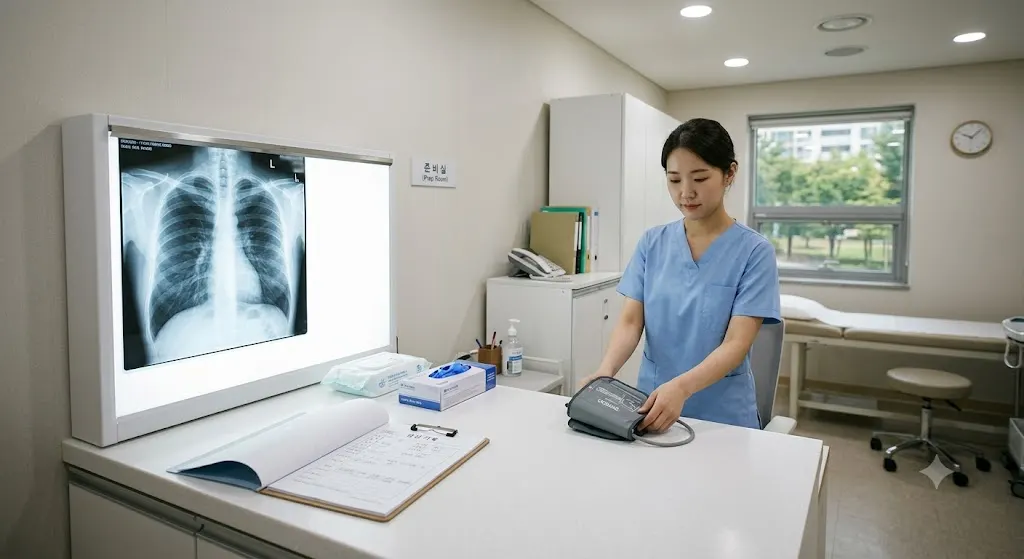
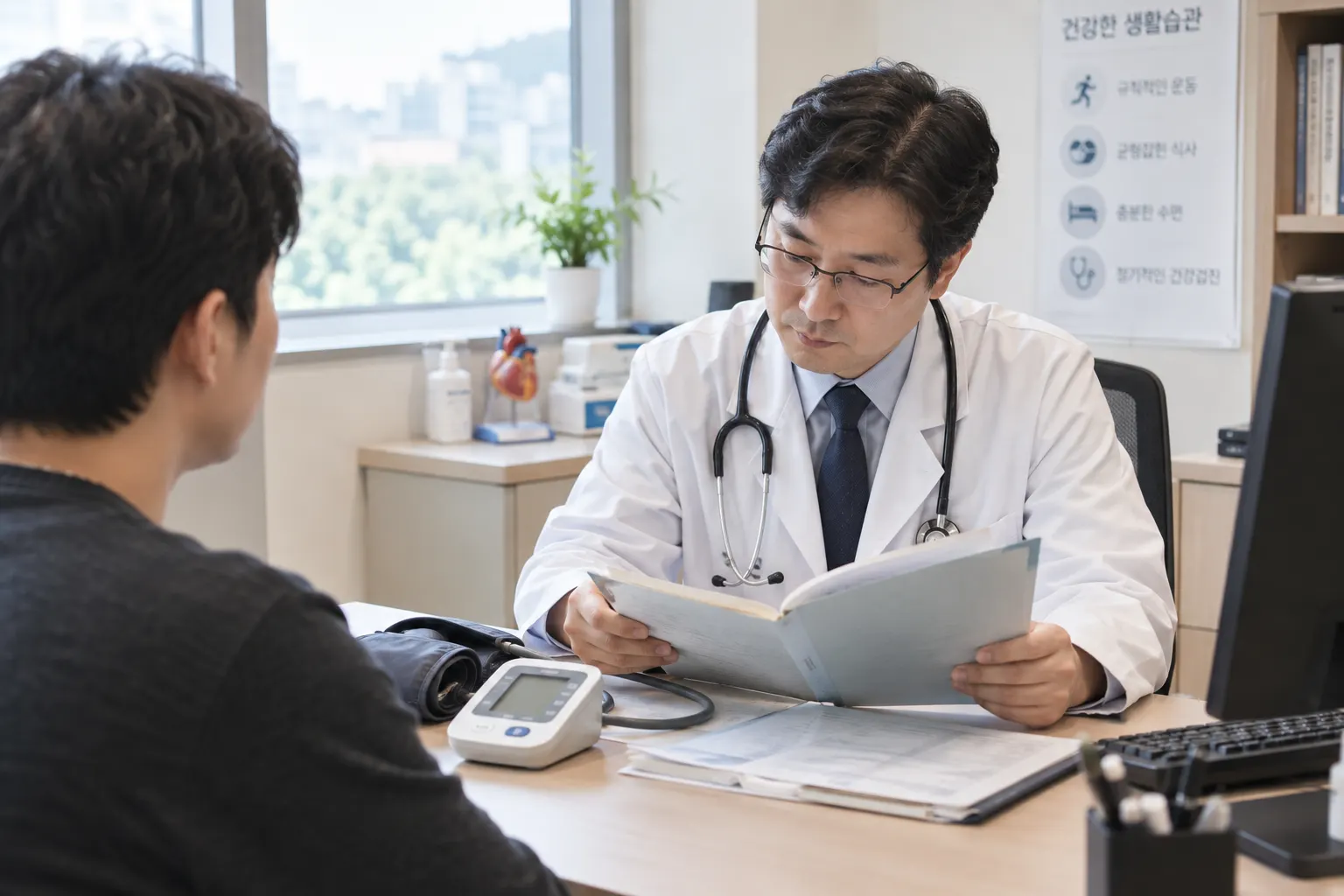
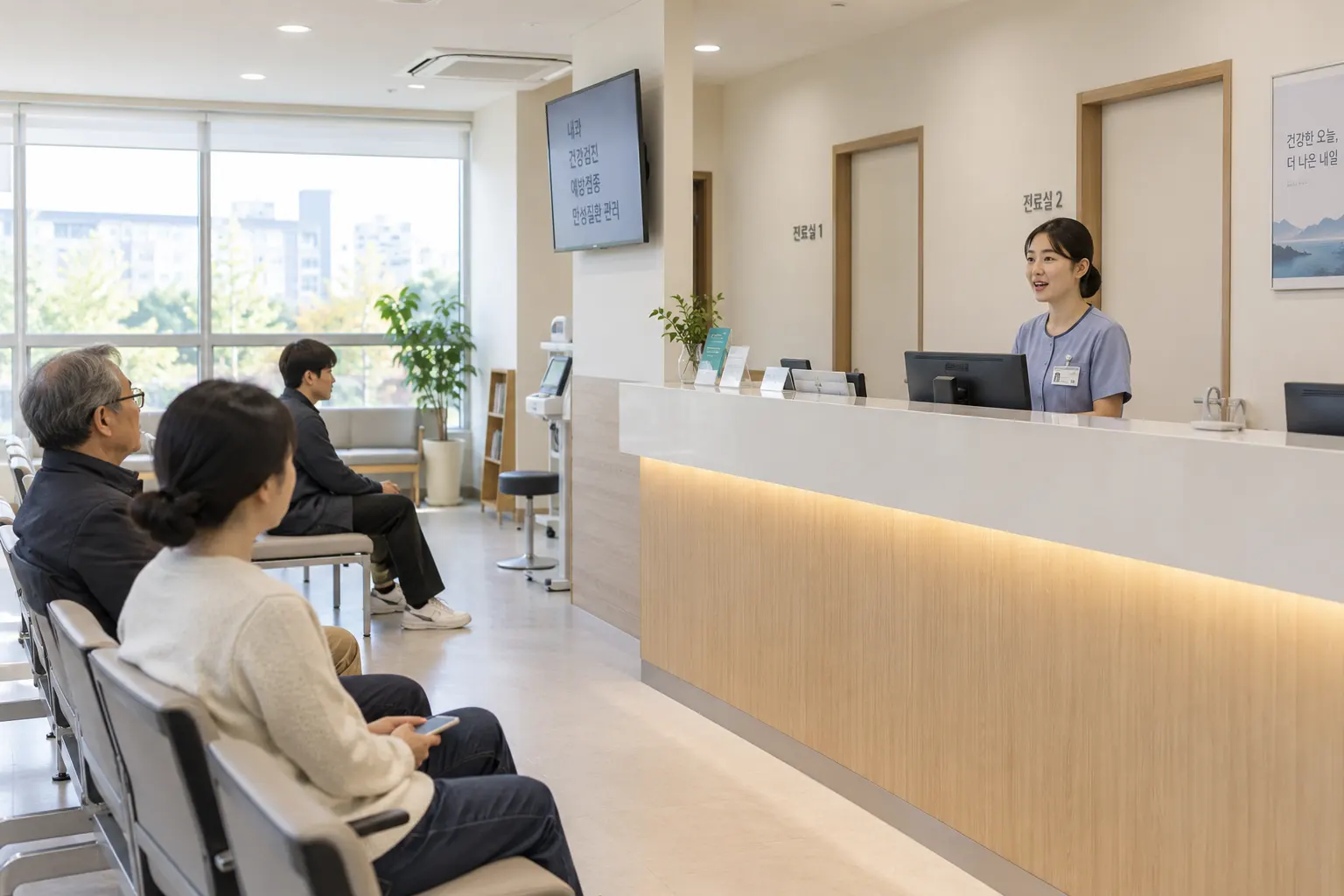
For minor illness, local clinics are often the first stop. They are usually faster and more practical than large hospitals. After seeing a doctor, you may receive a prescription and take it to a nearby pharmacy.
Hospitals are better for more complex issues, tests, specialist care, or serious concerns. Emergency rooms should be used for urgent situations such as chest pain, breathing difficulty, major injury, severe allergic reaction, stroke-like symptoms, loss of consciousness, or heavy bleeding.
The mistake many foreigners make is either overusing large hospitals for simple symptoms or delaying care because they are unsure how the system works. Insurance is helpful, but choosing the right medical level also matters.
Premium bills can surprise newcomers
Some foreign residents are surprised when they receive a health insurance bill after settling in Korea. This is especially true for students, freelancers, or people who were focused on school, rent, phone setup, and banking.
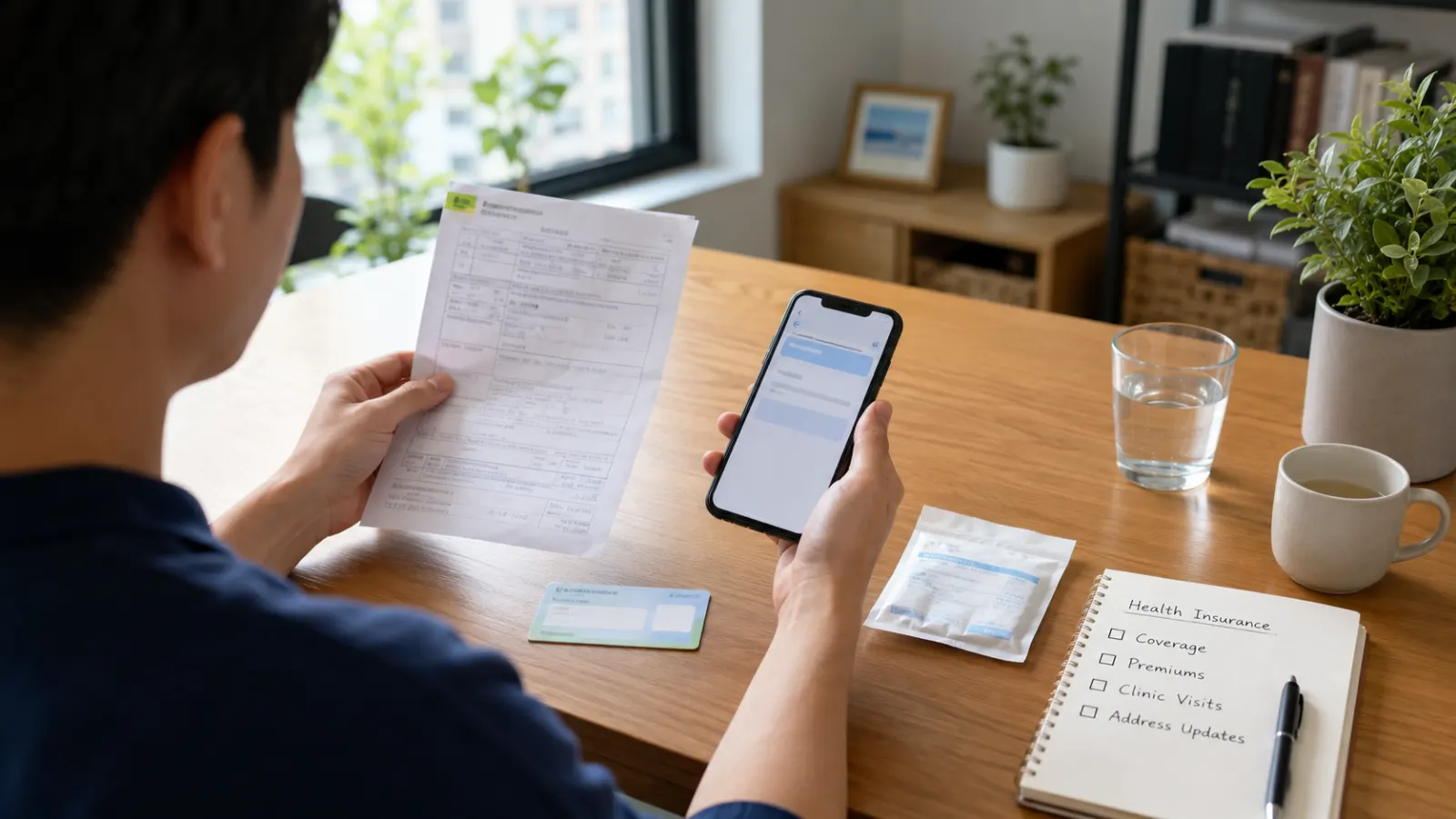
Do not ignore insurance mail. If you receive a bill or notice that you do not understand, translate it and ask for help early. Unpaid premiums can become a problem later. If you moved recently, make sure your address is updated. Insurance notices may go to your registered address, and missing mail can lead to confusion.
A practical habit is to keep health insurance documents in the same folder as your residence card, lease, bank documents, and visa records.
Students should ask their school early
International students should ask their university or language school about insurance responsibilities before problems arise. Some schools provide guidance, group notices, or office support, but you should still understand your own status.
Students may also have private insurance from their home country, school-related insurance, or travel insurance. These may not replace Korean insurance depending on the situation, but they can affect how you handle claims or reimbursement.
If you visit a clinic, keep receipts and medical documents. They may be useful for private insurance claims even when Korean insurance is not involved.
Freelancers and remote workers need more caution
Foreign freelancers and remote workers should pay close attention to insurance because they may not have a Korean employer managing it for them. If you are living in Korea long term, working online, or earning income from overseas, your insurance situation may not feel obvious.
Do not assume that no employer means no obligation. Also do not assume that private travel insurance is enough for long-term residence. Your visa status, residence registration, stay length, and income situation can all matter.
For long stays, health insurance should be part of your relocation checklist, not something you check only after getting sick.
A realistic way to think about it
Korean National Health Insurance is one of the systems that makes daily life in Korea easier once you are properly enrolled and understand the basics. It can make clinics and prescriptions more approachable, especially for residents who need regular care.
But it is not automatic comfort. You still need to check your status, pay attention to bills, keep your address updated, and ask whether specific treatments are covered.
If you are staying short term, focus on travel or private insurance. If you are staying long term, understand Korean health insurance as part of your core resident setup, along with your residence card, phone number, bank account, and address registration.
Quick Summary
- Korean National Health Insurance can reduce many ordinary clinic, hospital, and prescription costs.
- Tourists usually rely on travel insurance, while long-term residents should check Korean insurance rules.
- Workplace and regional insurance situations can differ for foreign residents.
- Do not ignore insurance notices, bills, or address updates after moving.