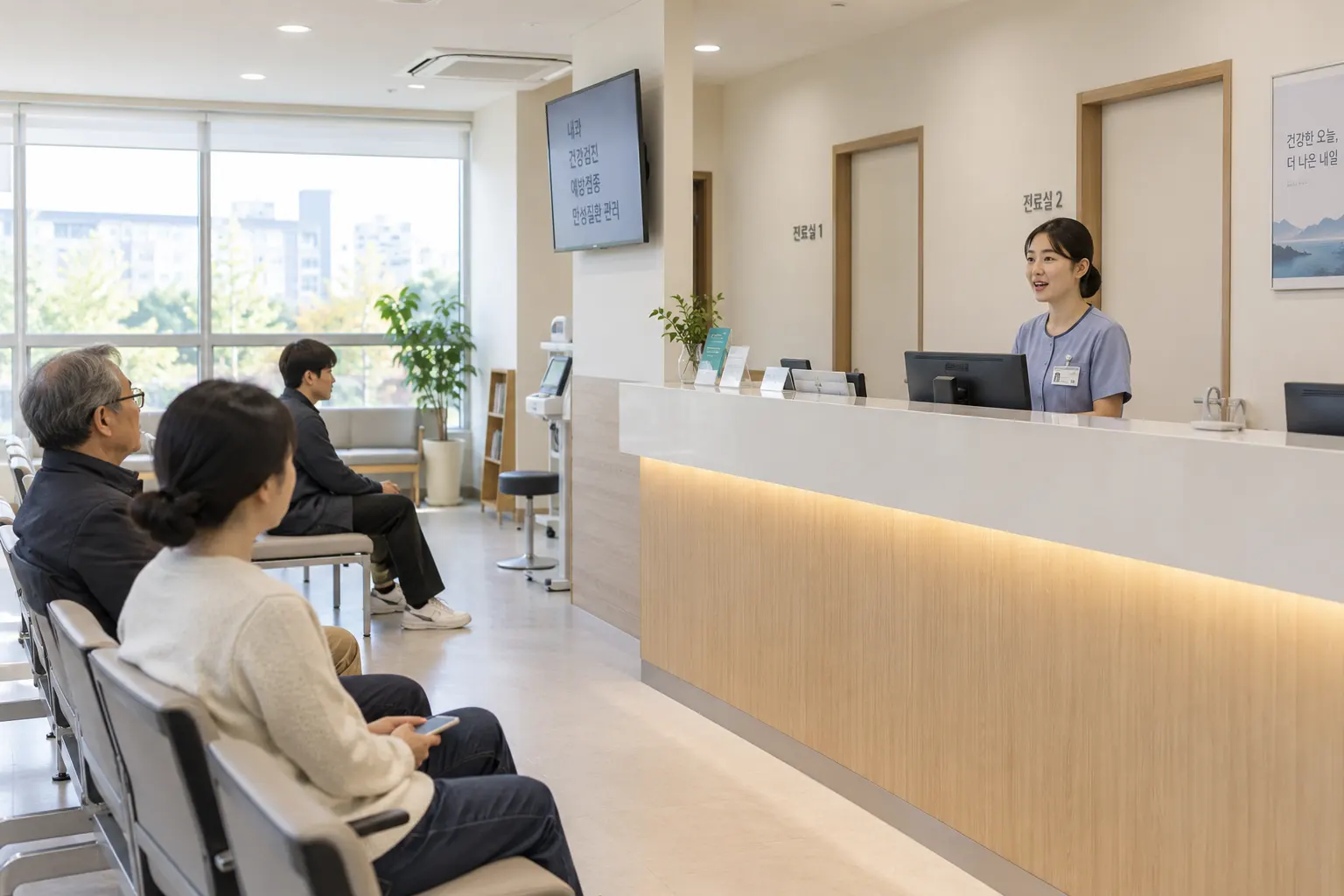
National Health Insurance in Korea for Foreigners: What It Actually Covers

Foreigners staying in Korea often hear that the healthcare system is affordable and efficient. That can be true, especially once you are properly enrolled in National Health Insurance. But the system is not free, not automatic for every visitor, and not always easy to understand when you first arrive.
National Health Insurance can make clinics, hospitals, prescriptions, and checkups much more manageable. The important question is whether you are eligible, when coverage begins, what it helps with, and what still comes out of your pocket.
Health insurance is different for tourists and residents
A short-term tourist should usually think in terms of travel insurance. If you get sick or injured during a brief trip, you may pay upfront at a clinic or hospital and then request reimbursement from your travel insurer. You should keep receipts, diagnosis documents, and prescription records.
Long-term foreign residents are in a different situation. Depending on visa type, employment status, and stay length, you may become enrolled in Korea’s National Health Insurance system. Some workers are enrolled through their employer. Others may be enrolled individually as local subscribers.
The common misunderstanding is thinking that being in Korea automatically means you are covered. Another mistake is thinking that travel insurance and Korean National Health Insurance work the same way. They do not.
What National Health Insurance usually helps with
National Health Insurance generally reduces the cost of many ordinary medical services. It can help with visits to local clinics, hospitals, prescriptions, tests, and certain treatments. The patient still pays a portion, but the out-of-pocket cost may be much lower than paying privately.
This is why residents often use local clinics without much hesitation. A sore throat, stomach issue, skin problem, orthopedic pain, or general consultation may be handled quickly and affordably when insurance applies.
But coverage is not the same as full payment. Some items may be partially covered, some may not be covered, and some may depend on medical necessity or the type of clinic. Cosmetic procedures, some optional treatments, certain premium services, and non-covered items can still be expensive.
The practical rule is simple: ask whether something is covered before agreeing to tests, procedures, or special treatments.
Employer-based enrollment versus local subscriber enrollment
Foreign employees at Korean companies may be enrolled through the workplace. In that case, premiums are usually connected to salary, and the employer handles part of the administrative process. This can feel relatively smooth because the company’s HR or payroll team is involved.
Foreigners who are not covered through an employer may be treated as local subscribers. This can apply to some students, dependents, freelancers, long-term residents, or people without workplace enrollment. Premiums may be calculated differently, and bills may come directly.
This is where confusion often starts. Two foreigners can have very different monthly premiums depending on employment, income, household status, visa category, and registration situation.
If your bill seems unexpectedly high, do not ignore it. Contact the insurance office, ask for an explanation, and check whether your income or household information is correct.
The waiting period and timing problem
New arrivals may face a gap between entering Korea, completing residence registration, starting a job, receiving a residence card, and becoming fully insured. This gap can be stressful if you get sick before your local setup is complete.
Students and long-term residents should ask their school, employer, or immigration support office about when coverage starts. Do not assume the date. If you arrive before enrollment is active, private or travel insurance can be useful as a bridge.
This is especially important for people with chronic conditions, regular prescriptions, pregnancy-related care, mental health needs, dental issues, or planned procedures. Waiting until you need care can make the situation harder.
What to bring when using healthcare
When visiting a clinic or hospital as an insured resident, bring your foreigner residence card. Some systems may confirm insurance eligibility electronically, but identification is still important.
It is also useful to bring:
- Residence card
- Korean phone number
- List of symptoms
- Current medication names
- Allergy information
- Previous diagnosis records, if relevant
- Insurance documents if using private insurance
- Translation app or prepared Korean symptom note
For tourists or uninsured visitors, bring your passport, payment method, and travel insurance details. Ask for documents before leaving if you need to file a claim.
Prescriptions and pharmacy costs
In Korea, many clinic visits end with a prescription. You usually take the prescription to a nearby pharmacy, where the pharmacist prepares the medicine. If National Health Insurance applies, prescription medicine may also be partially covered.
The medicine packaging may be different from what foreigners expect. Korean pharmacies often prepare dose-based packets for morning, lunch, and evening rather than giving only large bottles. This is convenient, but you should confirm how and when to take each dose.
Ask the pharmacist:
- How many times per day should I take this?
- Should I take it before or after meals?
- Can it cause drowsiness?
- Can I drink alcohol while taking it?
- What should I do if symptoms continue?
- Is this covered by insurance?
Do not leave with medicine you do not understand. A quick question can prevent mistakes.
Dental, vision, and cosmetic care may be different
Foreigners are sometimes surprised by what health insurance does and does not cover. Basic medical care may be affordable, but dental treatment, vision care, skin procedures, cosmetic treatments, and optional services can vary widely.
Some dental care may have partial coverage, but many treatments can still be expensive. Cosmetic dermatology is often not treated like necessary medical care. Eye exams, glasses, contact lenses, and elective procedures may follow different pricing logic.
This does not mean Korea is bad for these services. Korea has many clinics and advanced treatment options. But you should not assume that National Health Insurance will make every health-related service cheap.
Before booking, ask for the estimated cost and whether insurance applies.
Private insurance can still matter
Even if you are enrolled in National Health Insurance, some residents choose private insurance for extra protection. Private insurance may help with certain uncovered costs, hospital stays, larger treatments, or specific risks, depending on the policy.
Foreigners should read policies carefully. Some plans may have waiting periods, exclusions, language limitations, or restrictions based on visa status and age. Overseas private insurance may also handle claims differently from Korean private insurance.
For short-term visitors, travel insurance can be essential. For long-term residents, National Health Insurance is usually the foundation, but private insurance may still be useful depending on health needs and risk tolerance.
How to avoid billing surprises
The best way to avoid surprises is to ask before treatment. At small clinics, costs may be manageable, but larger hospitals, scans, procedures, emergency rooms, and non-covered services can add up.
Useful questions include:
- Is this covered by National Health Insurance?
- How much will I pay today?
- Are there non-covered items?
- Is this test necessary now?
- Can I receive a receipt and diagnosis document?
- Will the prescription be covered?
- Is there a cheaper covered alternative?
This is not rude. It is practical, especially if Korean is not your first language.
A realistic way to use the system
Korea’s health insurance system can be very helpful once you understand the basics. Local clinics are often fast, pharmacies are easy to find, and insured residents can access many services without extreme cost.
But the system still requires attention. Know whether you are covered, keep your residence information updated, bring identification, ask about non-covered services, and keep documents for claims or future visits.
For tourists, travel insurance is the safer assumption. For residents, National Health Insurance can become one of the most useful parts of living in Korea—if you know what it does and does not cover.
Quick Summary
- Tourists usually rely on travel insurance, while long-term residents may be enrolled in Korean National Health Insurance.
- Insurance can reduce costs for many clinics, hospitals, prescriptions, and tests, but it does not make everything free.
- Employer-based and local subscriber enrollment can lead to different premium situations.
- Ask whether services are covered before tests, procedures, dental care, cosmetic care, or hospital treatment.