Orthopedic Clinics and Physical Therapy in Korea: What Foreign Patients Should Expect
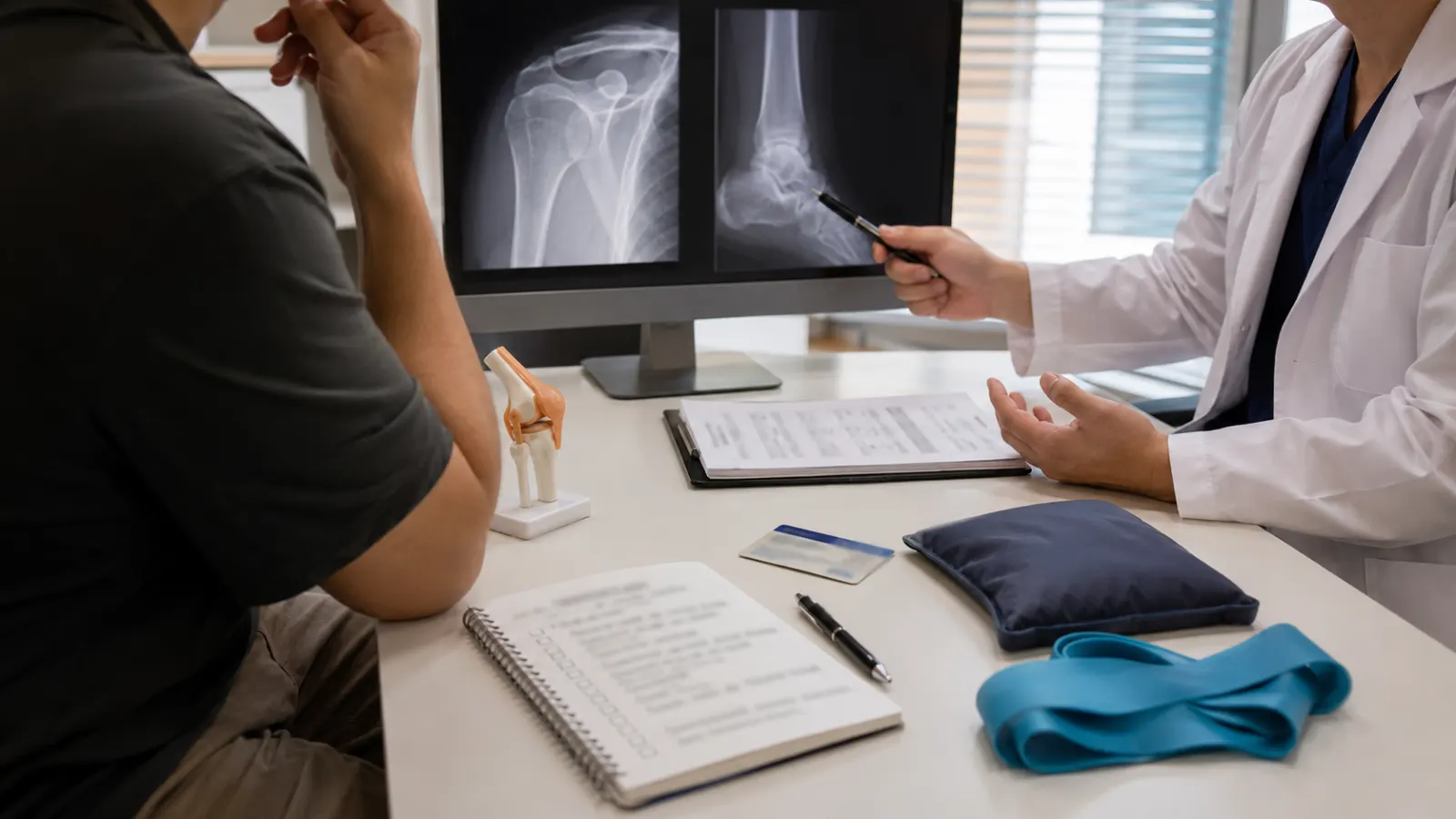
Back pain after moving furniture, a painful shoulder from desk work, a twisted ankle, or a stiff neck can lead foreign residents to search for a Korean orthopedic clinic. Korea has many neighborhood clinics that treat muscle, joint, bone, and sports-related problems, often with same-day examinations and physical treatment.
The confusing part is that the visit may include several services in one building: consultation, X-ray, injection, medication, heat treatment, electrical stimulation, manual therapy, or rehabilitation. Patients should understand which treatment is being recommended, what is covered by insurance, and what may create an additional charge.
What is an orthopedic clinic?
An orthopedic clinic is commonly called jeonghyeongoegwa. It often treats problems involving:
- Back and neck pain
- Shoulder pain
- Knee pain
- Sprains
- Fractures
- Sports injuries
- Joint conditions
- Tendon problems
- Work-related strain
- Posture-related discomfort
Some clinics focus on surgery and serious injuries. Others mainly provide outpatient pain treatment and rehabilitation. A rehabilitation medicine clinic may also treat mobility, nerve, pain, and recovery problems. The most appropriate clinic depends on the symptoms and suspected cause.
For a major injury, visible deformity, inability to bear weight, loss of sensation, severe weakness, or symptoms after a serious accident, seek prompt medical assessment rather than relying on home treatment.
The first consultation
Staff may ask:
- Where does it hurt?
- When did it begin?
- Was there an injury?
- What movement makes it worse?
- Is there numbness or weakness?
- Have you received treatment before?
- What medication do you take?
- Do you have insurance?
Prepare a short symptom note in Korean or English. Be specific: “The pain began after lifting a box three days ago.”
“My ankle turned inward while walking downstairs.” “I have numbness from the lower back to the left foot.” Tell the doctor about fever, unexplained weight loss, recent surgery, cancer history, pregnancy, blood-thinning medicine, or another factor that may affect treatment.
Imaging and tests
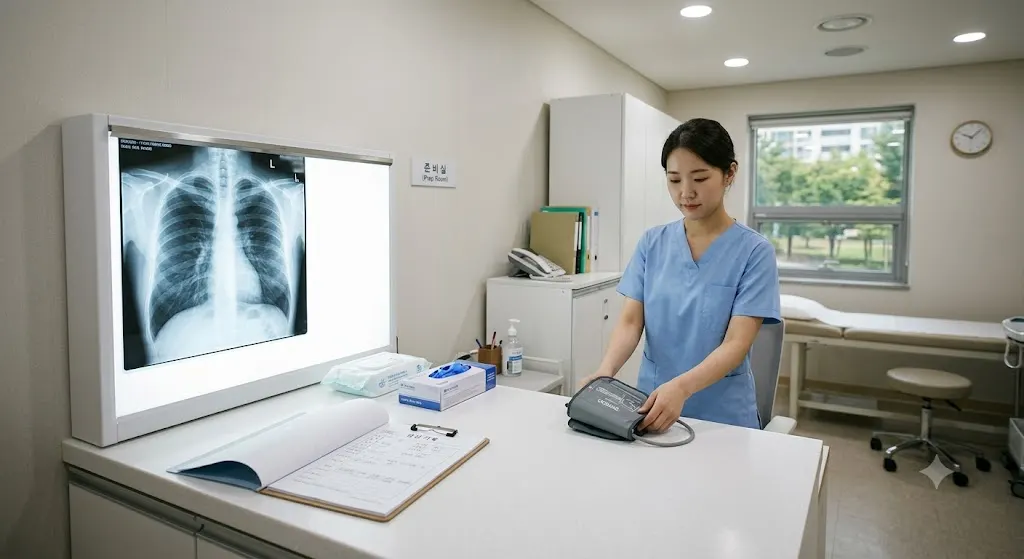
A clinic may recommend an X-ray when it suspects a fracture, alignment issue, arthritis, or another structural problem. Ultrasound, blood tests, MRI, CT, or nerve-related testing may be discussed depending on the condition. Ask:
- What is the test looking for?
- Is it needed today?
- Is it covered by insurance?
- What will it cost?
- Will the result change treatment?
- Can I receive a copy?
An X-ray does not show every muscle, ligament, disc, or nerve problem. A normal X-ray does not automatically mean the pain is imaginary or that no further evaluation is needed. For expensive imaging, ask whether a referral or larger hospital is more appropriate.
What Korean clinics call physical therapy
The expression mullichiryo generally refers to physical treatment. In a neighborhood clinic, this may include several machine- or heat-based treatments rather than a long individual exercise session.
Common elements can include:
- Heat packs
- Electrical stimulation
- Ultrasound treatment
- Traction
- Cold treatment
- Simple movement instruction
- Rehabilitation exercise
The exact benefit depends on the diagnosis and treatment plan. Do not assume that every service called physical therapy is the same as extended one-on-one physiotherapy in another country. Ask what each treatment is intended to do and how many visits are expected.
Manual therapy can be different
Manual therapy, often called dosuchiryo, usually involves hands-on treatment by a trained provider. It may be billed differently from basic physical treatment and can be more expensive.
Before agreeing, ask:
- Session length
- Provider qualification
- Treatment goal
- Price
- Insurance status
- Number of sessions
- Exercise plan
- Cancellation rule
- Expected progress
Do not buy a large treatment package before understanding the diagnosis and how progress will be measured.
Hands-on treatment may help some conditions, but it should not replace appropriate investigation when symptoms suggest a fracture, nerve problem, infection, or another serious cause.
Injections and procedures
Orthopedic and pain clinics may recommend an injection for pain or inflammation. Ask the doctor to explain:
- Name of the injection
- Medication or substance used
- Exact body area
- Expected benefit
- Common risks
- Activity restrictions
- Alternative treatments
- Number of injections expected
- Cost and insurance coverage
Do not accept an injection only because you believe every Korean clinic visit normally includes one. Tell the doctor about allergies, pregnancy, diabetes, blood thinners, infection, and previous reactions.
Insurance and non-covered services
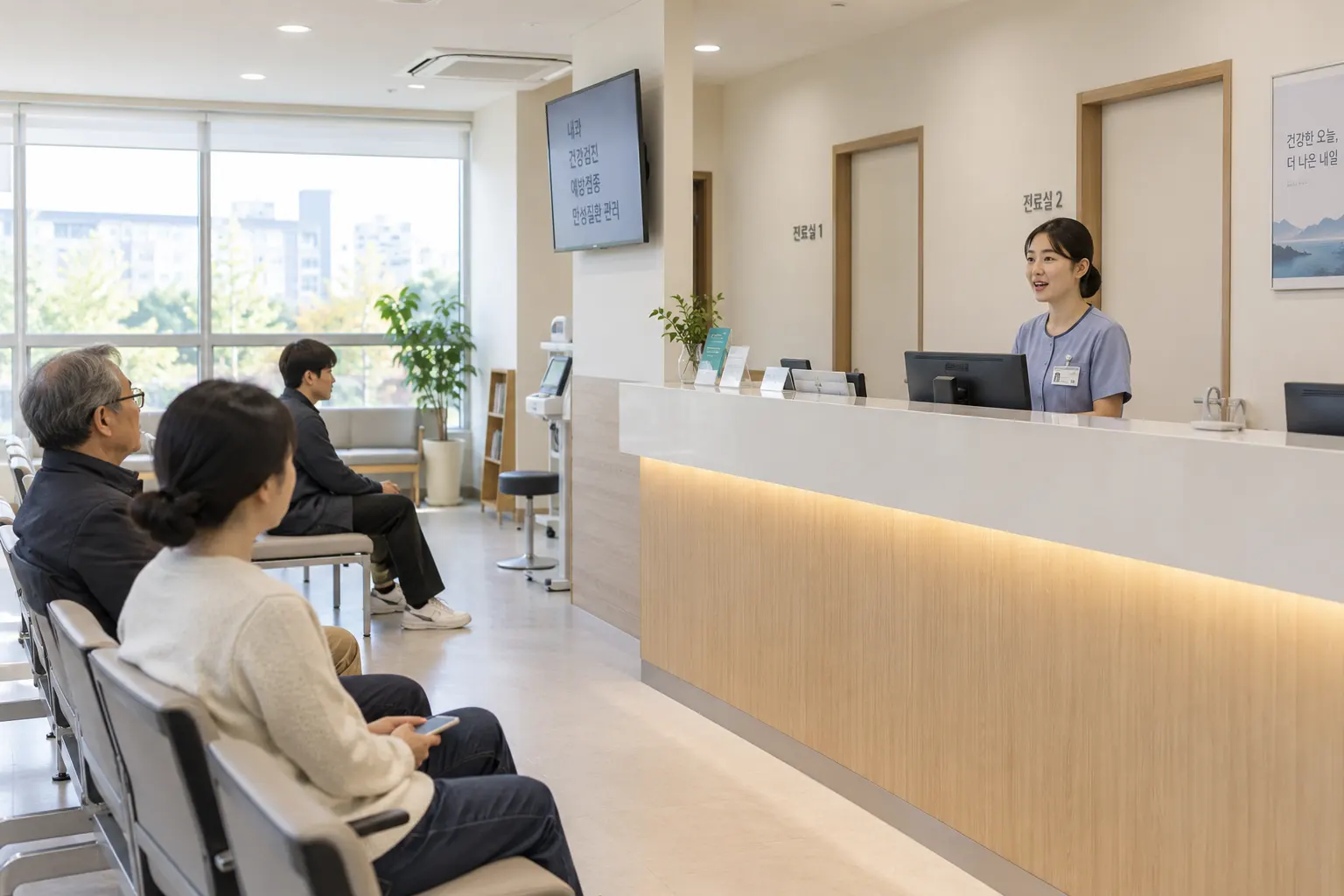
National Health Insurance may reduce the cost of eligible consultations, imaging, medication, and basic treatment. Some procedures, materials, or therapies may be non-covered. The same visit can include both covered and non-covered items. Ask the reception desk for an estimate when manual therapy, specialized injections, braces, or repeated treatment is suggested.
Keep the itemized receipt if you have private insurance. Private policies differ, and reimbursement should not be assumed. A clinic being located inside Korea’s insurance system does not mean every service it sells is covered.
Repeated visits
Some clinics recommend several treatment visits per week. Before beginning a long schedule, ask:
- What improvement should occur?
- When will the condition be reassessed?
- What can I do at home?
- When should treatment stop?
- What symptoms require another test?
- Is exercise more important than passive treatment?
- Can I return to work or sport?
A reasonable plan should change if you are not improving. Repeated heat or electrical treatment without reassessment may not address the underlying issue in every case.
Medication
The doctor may prescribe anti-inflammatory medicine, pain relief, muscle relaxants, stomach-protection medicine, or another drug depending on the diagnosis. Ask whether the medication can cause:
- Drowsiness
- Stomach irritation
- Dizziness
- Interaction with alcohol
- Driving problems
- Interaction with current medicine
Take the prescription to a pharmacy as instructed. Do not combine several pain medicines from Korea and your home country without checking the active ingredients.
When to get a second opinion
Consider another opinion when:
- Surgery is recommended
- Several expensive procedures are proposed
- The diagnosis is unclear
- Pain is worsening
- Weakness or numbness is progressing
- Treatment continues without improvement
- A large prepaid package is requested
- Communication is insufficient
Request copies of imaging and written treatment information. A second opinion does not automatically mean the first clinic was wrong. For complex spine, joint, or sports injuries, a larger hospital or specialist center may provide more detailed evaluation.
A practical first-visit checklist
Bring:
- Passport or residence card
- Insurance information
- Medication list
- Previous imaging
- Description of the injury
- Allergy information
- Comfortable clothing
- Payment method
- Translation app
Before leaving, confirm:
- Diagnosis or suspected diagnosis
- Tests performed
- Treatment received
- Medication
- Home exercises
- Activity restrictions
- Follow-up date
- Warning signs
- Total charge
Quick Summary
- Korean orthopedic clinics commonly treat bone, joint, muscle, spine, and sports problems.
- Basic physical treatment may differ from longer one-on-one rehabilitation or manual therapy.
- Ask what imaging, injections, therapies, and braces are intended to achieve and whether they are covered.
- Seek reassessment or another opinion when symptoms worsen or repeated treatment produces no improvement.