How Pediatric Care and Child Vaccinations Work in Korea
If you have a young child in Korea and woke up to a fever at 10 p.m., you probably want to know three things: where to go, whether they'll see you, and what it costs. Pediatric care in Korea is easy to reach and inexpensive, and the national immunization program covers most routine childhood vaccines at no cost. The hard parts for foreign parents are the Korean-language reservations, the early-morning queues at popular clinics, and understanding which vaccines are free.
This is general information, not medical advice. Ask your child's doctor about anything specific.
The Quick Answer: Where to Go
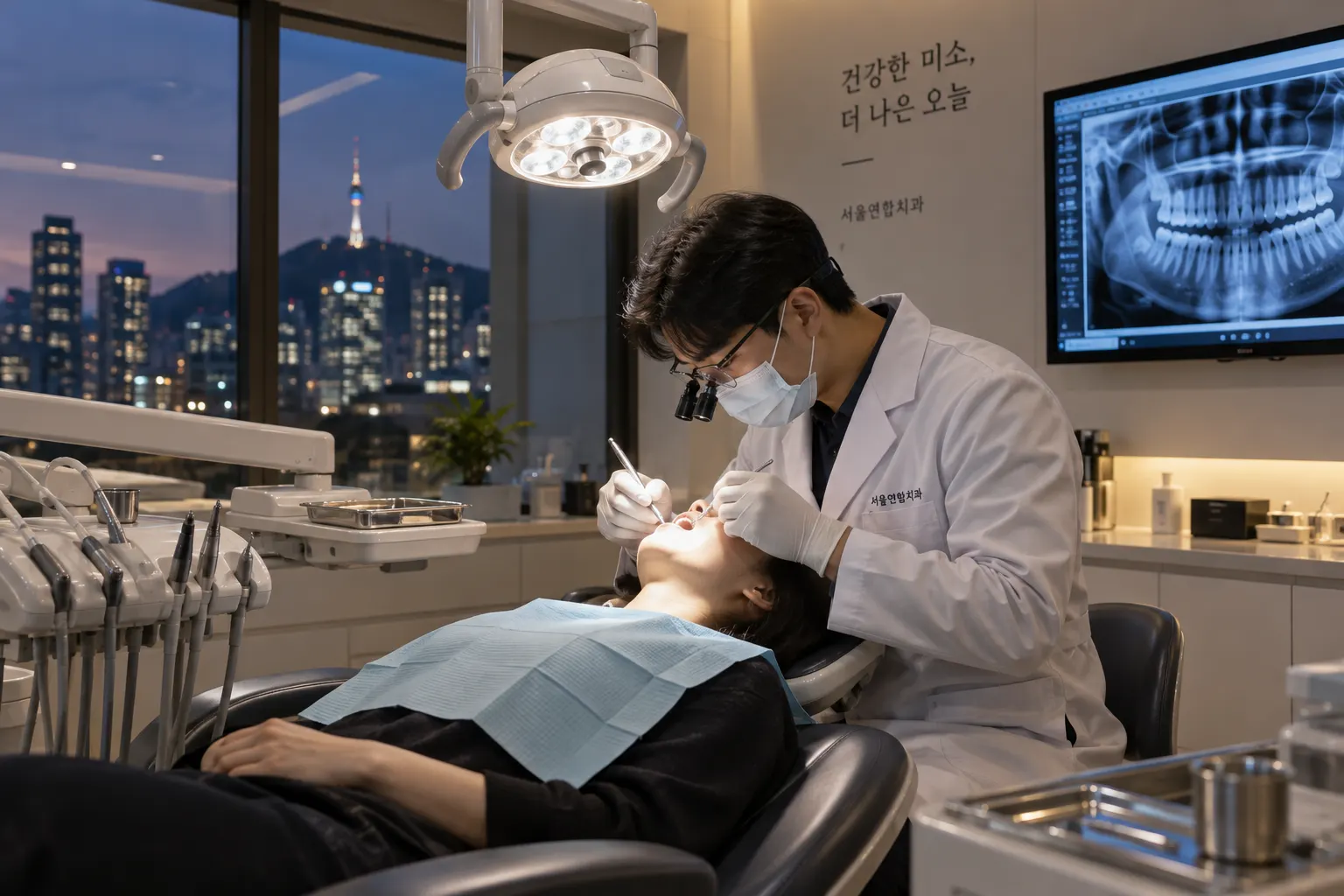
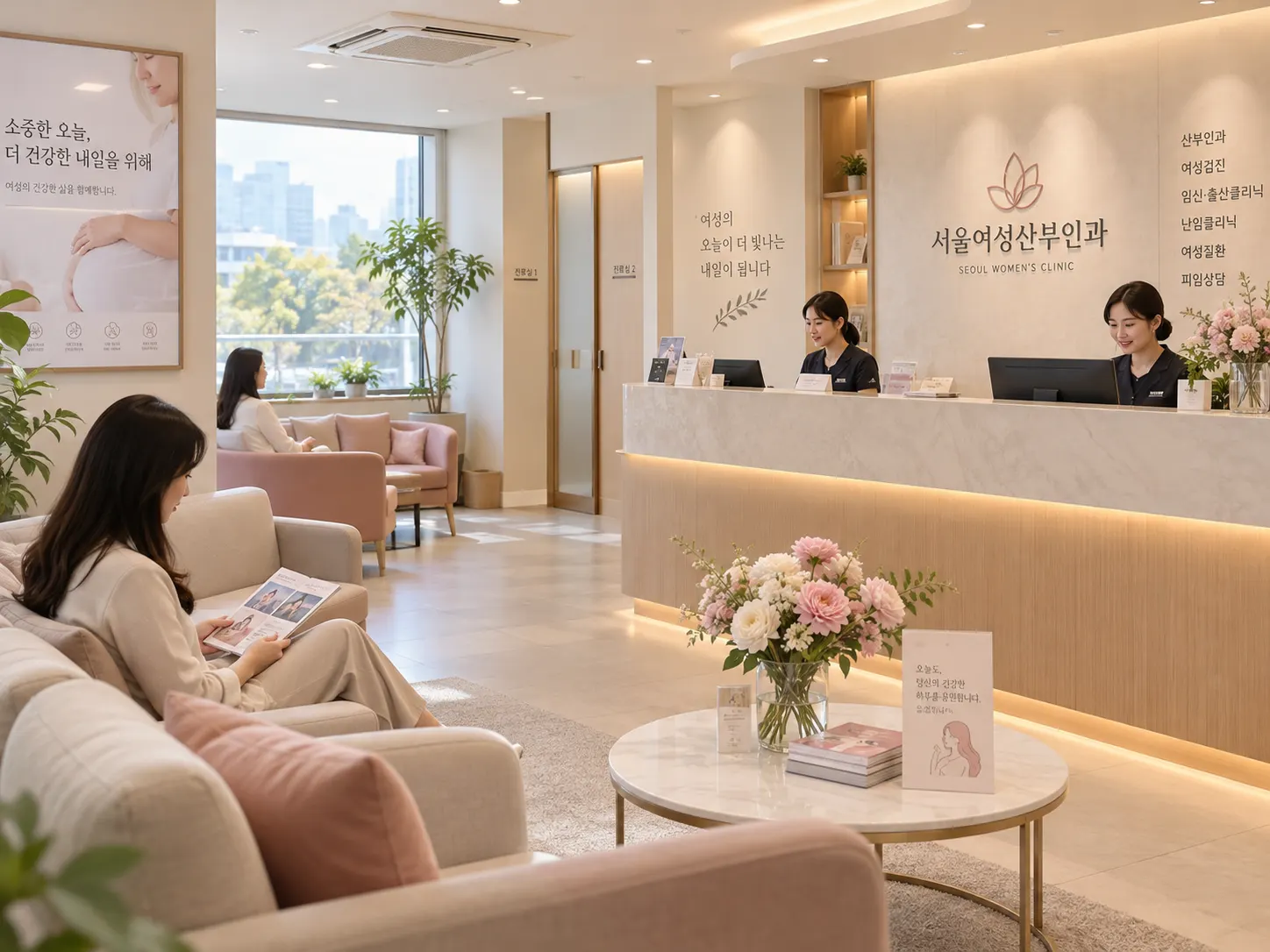
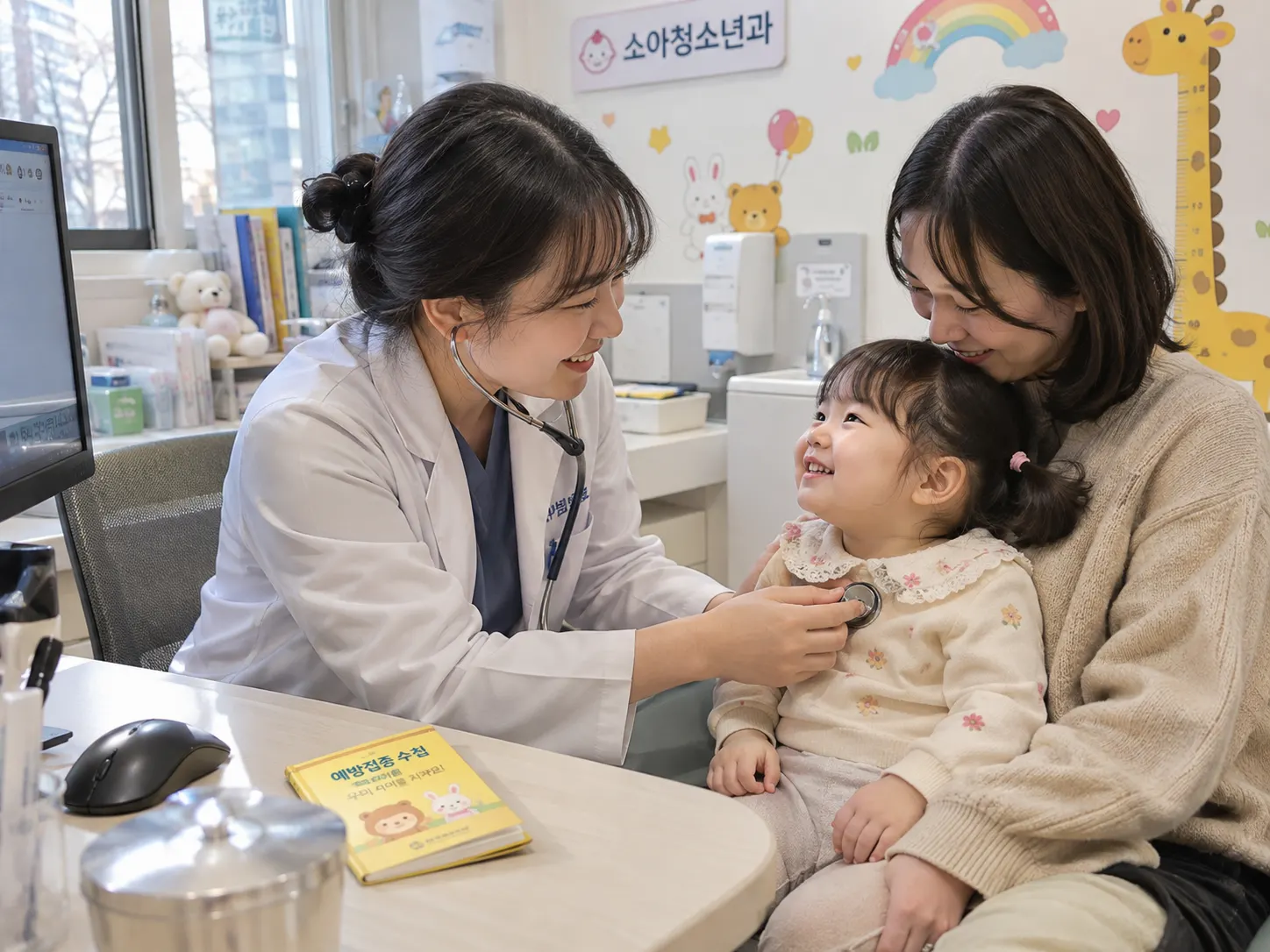
- Pediatric clinics (소아청소년과): the first stop for fevers, coughs, ear infections, rashes, and routine visits. Walk-ins are common, though busy clinics can have long waits.
- Moonlight Children's Hospitals (달빛어린이병원): designated pediatric facilities that stay open in the evening and on weekends, which makes them useful when regular clinics are closed.
- Hospital emergency rooms: for breathing difficulty, seizures, serious injuries, or any situation that frightens you. You can also call 119.
Popular clinics often fill up early. Many parents use a reservation app such as Ddocdoc to join a queue remotely rather than waiting in the lobby, though some apps need a Korean phone number.
How Costs Work
Children are covered by National Health Insurance, and copays for young children are generally lower than for adults. A routine pediatric visit is usually inexpensive, and prescriptions are filled at a nearby pharmacy. As covered in the clinic guide, emergency room visits cost more than clinic visits, so for a non-urgent problem outside hours a Moonlight hospital is often the better option.
If your child is not yet enrolled in insurance, enroll them as soon as they are eligible, because delays can lead to bills for the gap, as covered in the NHI guide.
Routine Vaccinations
Korea runs a national immunization program (NIP) that provides recommended childhood vaccines free of charge at designated clinics and public health centers. The schedule begins in infancy and continues through childhood and adolescence. Some vaccines outside the program are available for a fee, and your doctor can explain which ones are optional.
Practical points:
- Bring your child's vaccination record from home, ideally with an English or translated copy, so the doctor can see what has been given.
- Check eligibility and registration with your local health center, since requirements for foreign children can depend on residence status.
- Keep the Korean record. Vaccinations given in Korea are logged in a national system, and you may need this for school and daycare enrollment.
- Ask before assuming a vaccine is free. The clinic can tell you whether a specific vaccine is part of the national program or optional.
Schedules and program details change, so confirm the current list with your clinic or the Korea Disease Control and Prevention Agency.
Infant and Child Health Screenings
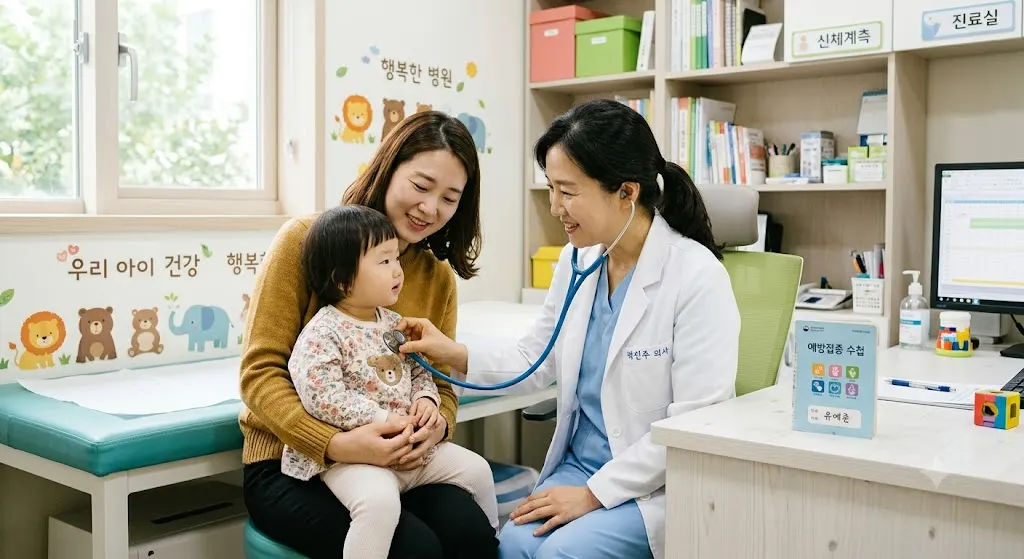
Korea also offers free national health screenings for infants and young children at set ages, through the National Health Insurance Service. These check growth, development, and general health, and they usually include a parent questionnaire. Notices are normally sent in Korean, so keep an eye on your mail and your insurance app and ask the clinic if you are unsure whether a screening is due. These screenings supplement, rather than replace, your child's regular pediatric visits, much as the school checkups covered in the school health guide do.
Fevers and Medicine
A fever in a baby or small child can be worrying, and the right response depends on age, symptoms, and how your child is acting. For infants, or if your child is very sleepy, has trouble breathing, or you are unsure, get medical help promptly. For any medicine, follow the label and your doctor or pharmacist's instructions for your child's age and weight rather than relying on a number from the internet, and do not combine products that contain the same ingredient.
Language Tips
English support varies. International clinics at large hospitals are the most reliable, while neighborhood clinics may speak little English. Helpful steps include:
- Writing down symptoms, the time they started, and your child's age and weight
- Saving a few Korean phrases such as 열이 나요 (has a fever) and 기침해요 (is coughing)
- Using a translation app, which doctors are used to seeing
Common Mistakes
- Going to the ER for a minor problem. A Moonlight hospital or next-day clinic visit is cheaper.
- Not bringing the vaccination record. It saves repeated shots and confusion.
- Missing screening notices. They are often in Korean.
- Assuming every vaccine is free. Some are optional and paid.
- Delaying insurance enrollment. Retroactive bills can follow.
Quick Summary
- Pediatric clinics (소아청소년과) handle routine and sick-child visits, and Moonlight Children's Hospitals cover evenings and weekends.
- Children are covered by National Health Insurance at reduced copays, and the national immunization program provides recommended vaccines free at designated clinics.
- Bring your child's home-country vaccination record and keep the Korean one, since schools and daycares often ask for it.
- Use an international clinic or a translation app for language support, and seek urgent care for breathing trouble, very young infants with fever, or anything that worries you.