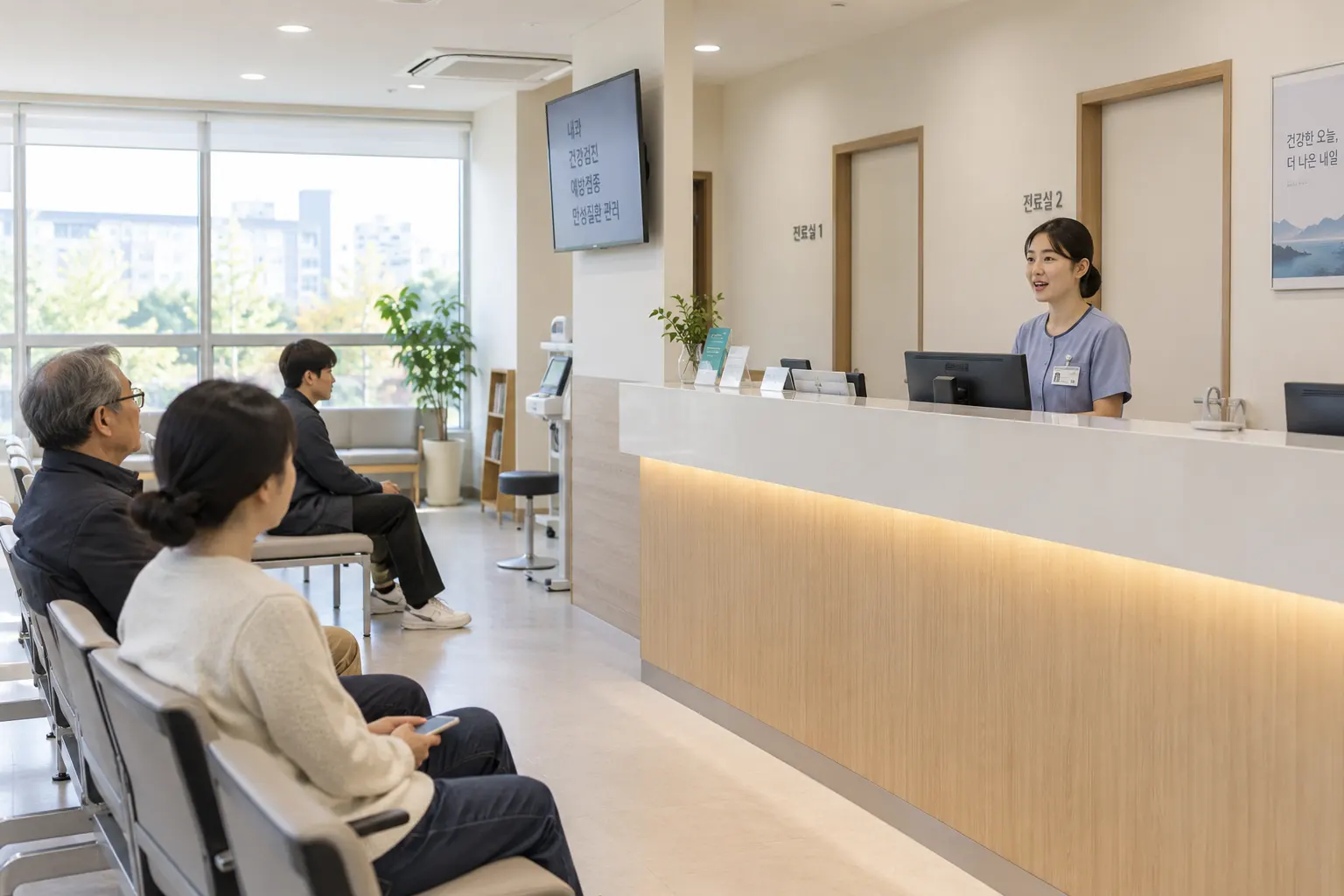
Visiting a Pharmacy in Korea: A Guide to Prescriptions and Over-the-Counter Medicine
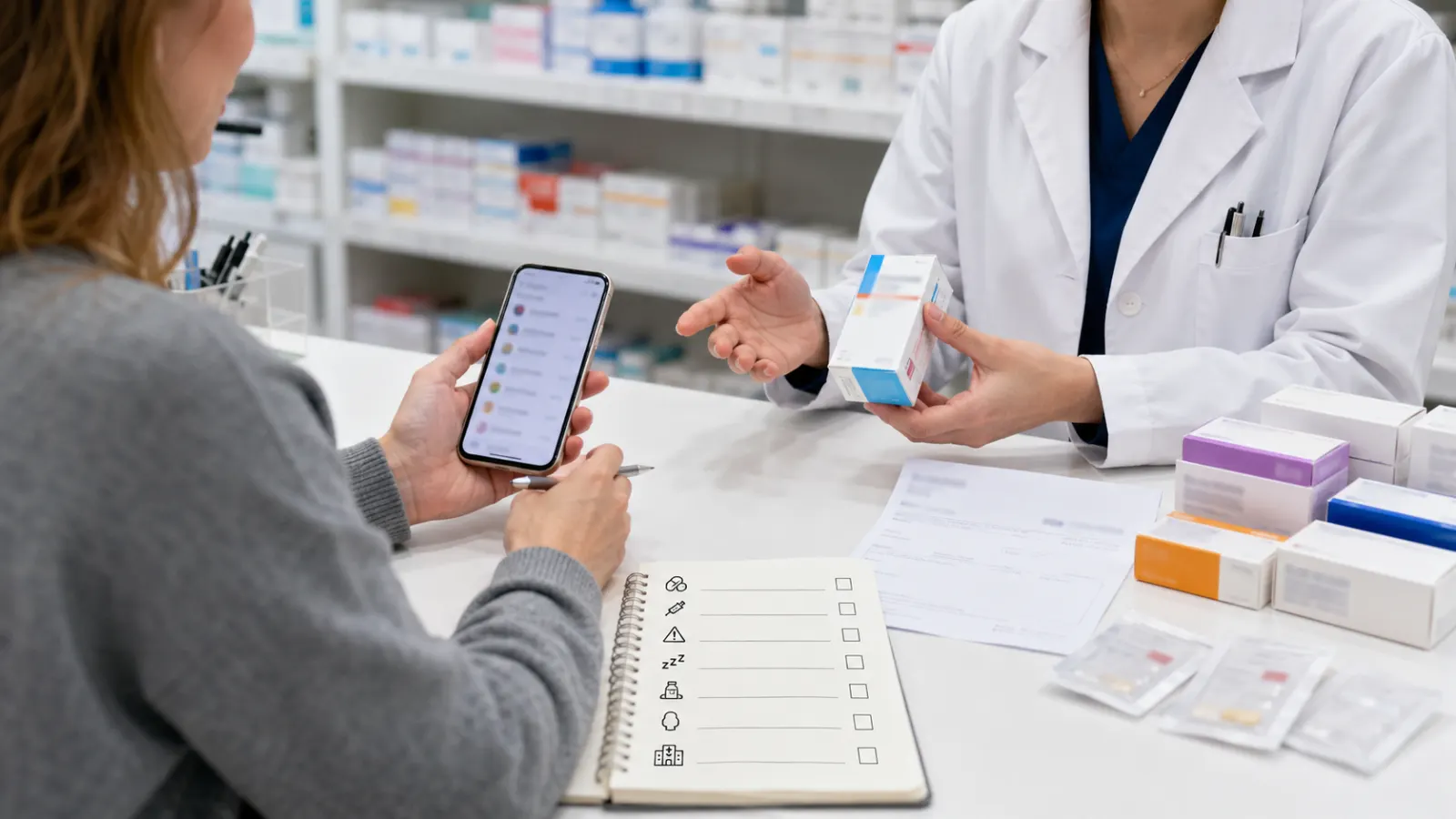
Korean pharmacies are common near clinics, hospitals, subway stations, and residential neighborhoods. They can fill prescriptions, explain dosage instructions, and sell certain non-prescription medicines and healthcare products.
The challenge for foreign residents is understanding which medicines require a doctor’s prescription, how Korean pharmacy instructions are organized, and whether a familiar overseas product has the same ingredients in Korea.
The safest approach is to ask about active ingredients, dosage, interactions, and warning signs rather than choosing a product only by packaging.
How to find a pharmacy
A pharmacy is called yakguk in Korean. A pharmacy sign may include the Korean character for medicine or a cross-style symbol, but branding varies. Search Korean map services using:
- 약국: pharmacy
- 24시 약국: 24-hour pharmacy
- 심야 약국: late-night pharmacy
- 일요일 약국: Sunday pharmacy
Operating hours differ. Many neighborhood pharmacies close earlier than convenience stores and may have reduced weekend hours. A pharmacy described as 24-hour should still be checked before making a long trip because schedules can change.
Pharmacies and convenience stores are different
Convenience stores can sell a limited range of designated non-prescription medicines, but they do not replace a pharmacy. A pharmacy provides access to a pharmacist and a broader range of products. Go to a pharmacy when:
- You need professional guidance
- You take other medication
- Symptoms are unclear
- You need a specific active ingredient
- A child needs treatment
- You are pregnant
- You have allergies
- The condition has continued or worsened
- You received a clinic prescription
A convenience-store product may be useful for a simple short-term need, but ingredient and dosage checks remain important.
Prescription medicines
After visiting a clinic, you may receive a printed or electronic prescription. Take it to a pharmacy within the permitted period shown or explained by the clinic. The pharmacy may ask for:
- Prescription
- Name
- Date of birth
- Identification or insurance information
- Allergy information
- Current medications
The pharmacist prepares the medication and may package tablets according to each dose.
Korean prescriptions are often filled at a pharmacy near the clinic, but you are not necessarily required to use the nearest one unless a special medicine or system limitation applies.
Korean dose packets
Some pharmacies package several prescribed tablets together in small paper or plastic packets. Each packet may correspond to:
- Morning
- Lunch
- Evening
- Before sleep
- Before food
- After food
The packet may display the patient’s name, date, dose time, and pharmacy information. Keep the full set of instructions. Do not separate tablets into an unmarked container until you understand what each medicine is. When traveling, carry a prescription record or medication list in addition to the packets.
Ask for the active ingredients
A familiar condition may be treated with a product that has a different Korean brand name. Ask the pharmacist to write:
- Active ingredient
- Strength
- Dose
- Frequency
- Duration
- Main purpose
- Major warning
This is especially important for pain relievers, cold medicines, allergy products, stomach medicines, and sleep-related products. Two products with different brand names may contain the same active ingredient. Taking both can accidentally create an excessive dose.
Cold medicine
Combination cold medicines may contain several ingredients for fever, pain, congestion, cough, or allergy symptoms. Tell the pharmacist which symptoms you actually have. Do not combine multiple cold products without checking the ingredient list.
Also mention if you take:
- Blood-pressure medicine
- Antidepressants
- Sleep medicine
- Stimulants
- Blood thinners
- Other pain relievers
Some products can cause drowsiness or affect driving. A cold that includes breathing difficulty, severe dehydration, persistent high fever, chest pain, or worsening symptoms may require a clinic rather than repeated self-treatment.
Pain relievers
Pain medicines are not interchangeable. Different ingredients have different risks involving:
- Stomach
- Kidney
- Liver
- Bleeding
- Pregnancy
- Alcohol
- Other medication
Tell the pharmacist about ulcers, kidney disease, liver disease, asthma reactions, blood thinners, and pregnancy. Do not use a stronger dose merely because pain continues. Persistent, severe, or unexplained pain should be evaluated by a medical provider.
Stomach and digestive medicine
Korean pharmacies sell many products for indigestion, reflux, nausea, diarrhea, and constipation. Describe:
- Main symptom
- Duration
- Pain location
- Vomiting
- Fever
- Blood
- Recent food
- Travel
- Current medicines
Do not treat severe abdominal pain, repeated vomiting, black stool, blood, dehydration, or significant weakness only with an over-the-counter product. These symptoms can require medical assessment.
Allergy medicine
Antihistamines can differ in how much drowsiness they cause. Tell the pharmacist whether you need to drive, operate equipment, work, or attend class. Ask whether the medicine can be combined with alcohol, sleep medicine, or another allergy product.
For severe swelling, breathing difficulty, faintness, or a rapidly developing reaction, use emergency care rather than waiting for an oral allergy tablet to work.
Children’s medicine
A child’s dose should not be guessed by dividing an adult tablet. The correct product and amount can depend on:
- Age
- Weight
- Ingredient
- Concentration
- Medical history
- Current symptoms
Bring the child’s weight and a list of current medicines. Use the measuring tool provided with liquid medicine rather than a household spoon.
A very young child, persistent fever, breathing difficulty, dehydration, unusual sleepiness, seizure, or worsening condition should be assessed by an appropriate medical professional.
Pregnancy and breastfeeding
Tell the pharmacist about pregnancy, possible pregnancy, fertility treatment, or breastfeeding before buying medicine. Do not assume a product is safe because it is available without prescription or described as natural. Herbal and traditional products can also contain active substances.
When symptoms require treatment, the pharmacist may recommend visiting a clinic for a more appropriate decision.
Supplements and herbal products
Pharmacies may sell vitamins, probiotics, herbal products, and health supplements. Ask what evidence supports the product and whether it interacts with medication. More is not automatically better.
High-dose supplements can affect the liver, kidneys, bleeding risk, laboratory tests, or prescription treatment. Tell your doctor about supplements, especially before surgery or when taking long-term medication.
Insurance and payment
Prescription costs may be reduced when the prescription and patient are eligible under Korean health insurance. Non-prescription products are often paid directly by the customer. Ask for a receipt when you need:
- Private insurance claim
- Travel insurance
- Employer reimbursement
- Personal medical records
- Tax documentation
A pharmacy receipt may not contain the same medical detail as a clinic certificate or diagnosis document.
Language preparation
Before visiting, write a short note containing:
- Symptoms
- Start date
- Allergies
- Current medication
- Pregnancy status
- Medical conditions
- Preferred non-drowsy option
- Need to drive
- Age and weight for a child
Photographs of medicine packaging can help identify current products. Do not rely only on tablet color or shape.
When to visit a clinic instead
A pharmacist can advise on many minor conditions, but a pharmacy is not a substitute for diagnosis. Seek medical care when symptoms include:
- Breathing difficulty
- Chest pain
- Loss of consciousness
- Serious allergic reaction
- Severe or worsening pain
- Significant bleeding
- Persistent high fever
- Neurological symptoms
- Major injury
- Dehydration
- Symptoms lasting longer than expected
When uncertain, ask the pharmacist whether a clinic visit is more appropriate.
Quick Summary
- Korean pharmacies can fill prescriptions and provide guidance on non-prescription medicines.
- Ask for active ingredients to avoid duplicating medicine under different brand names.
- Explain allergies, pregnancy, existing conditions, and current medication.
- Severe, unusual, or worsening symptoms require medical assessment rather than repeated self-treatment.