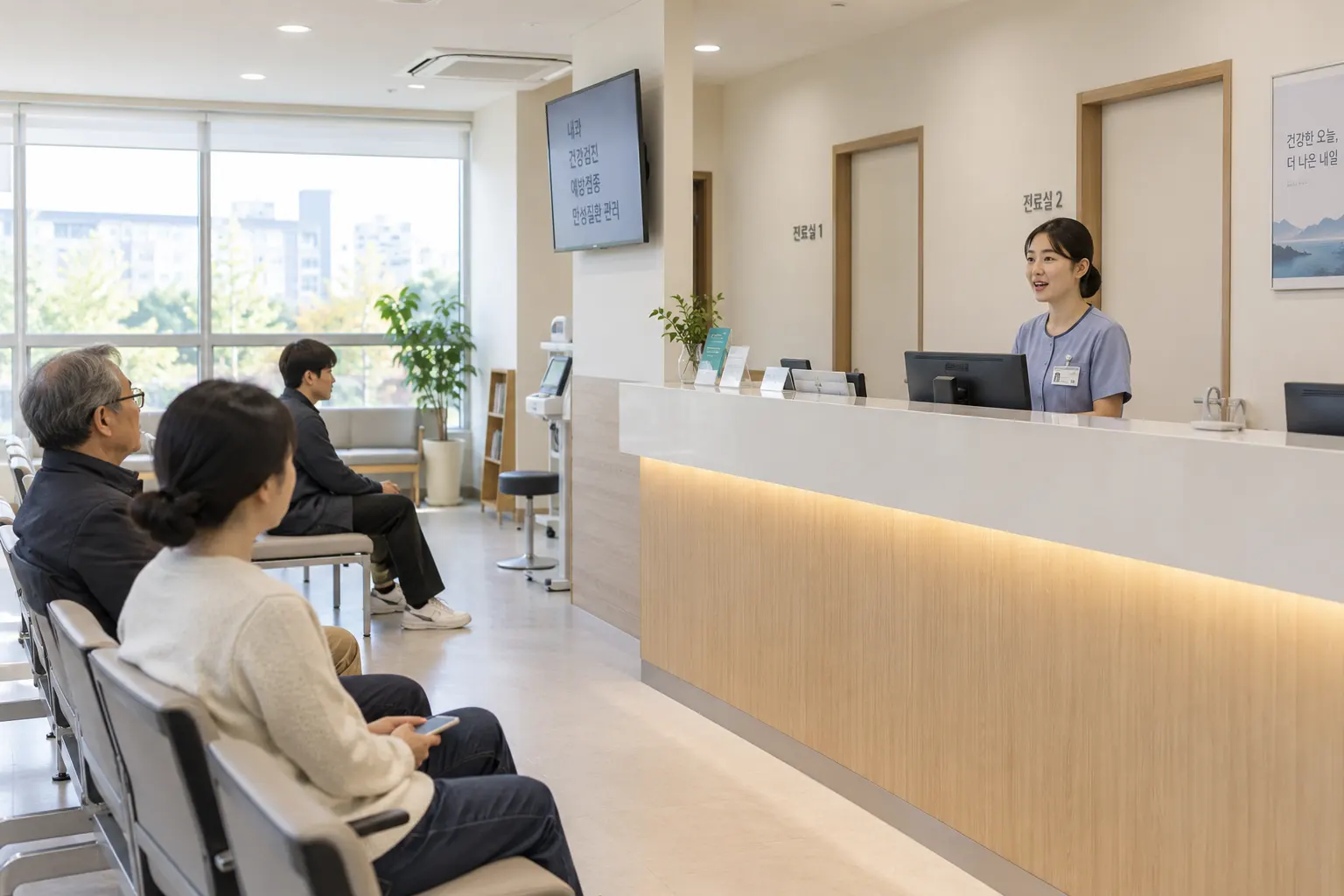
How Physical Therapy and Rehab Clinics Work in Korea for Foreigners
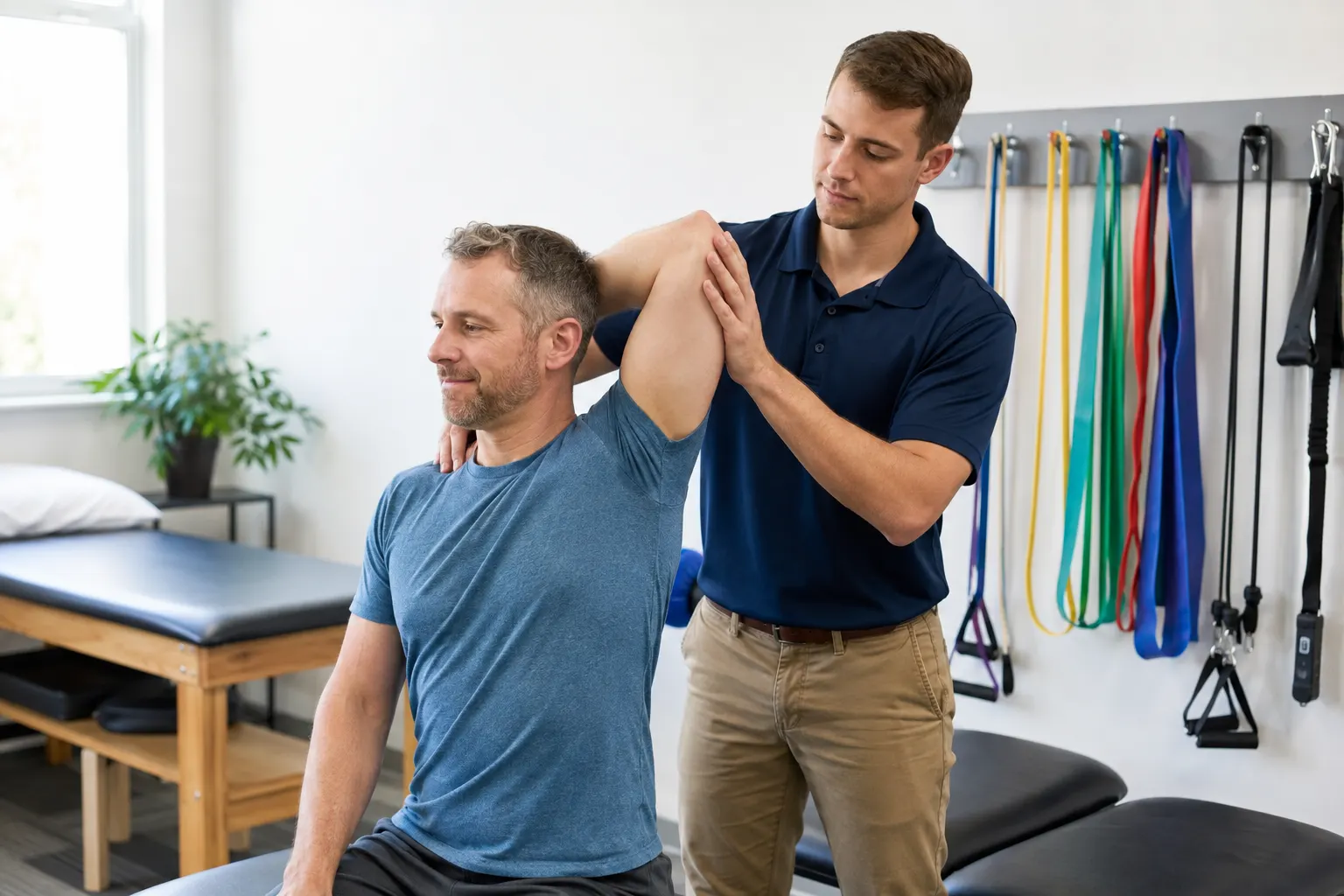
If you've injured yourself in Korea, whether from sports, a fall, or a chronic issue that's flared up, and aren't sure whether to see an orthopedic doctor, a physical therapist, or a traditional Korean medicine clinic, the system offers genuinely more options than many foreign residents realize, but understanding which path fits your specific situation, and what's actually covered, avoids wasted visits and unclear treatment plans.
Here's how physical therapy and rehabilitation care actually work in Korea, and what to expect at each type of clinic.
Where People Typically Start
- Orthopedic clinics (정형외과) are usually the first stop for a specific injury, sprain, fracture concern, joint pain, offering diagnostic imaging (X-ray, sometimes MRI referral) and initial treatment recommendations, including whether physical therapy is warranted.
- Physical therapy is often prescribed following an orthopedic diagnosis, rather than something you'd typically seek out independently as a first step, many physical therapy clinics operate attached to or closely affiliated with an orthopedic clinic specifically for this referral pathway.
- Traditional Korean medicine clinics (한의원), offering acupuncture, cupping, and herbal treatment, represent a genuinely separate and parallel system some residents use either instead of or alongside Western-style orthopedic and physical therapy treatment, insurance coverage and treatment philosophy differ meaningfully from the orthopedic pathway.
What National Health Insurance Actually Covers
- Orthopedic consultations and diagnostic imaging are generally covered under standard NHI copay structures, similar to other medical specialties.
- Physical therapy sessions prescribed following a diagnosed condition are generally covered at a reduced copay, though the number of covered sessions and specific treatment modalities can vary based on your diagnosis and the treating clinic's specific billing practices.
- Traditional Korean medicine treatments, acupuncture in particular, have expanded NHI coverage in recent years for certain conditions, though coverage isn't as comprehensive as standard Western medical treatment, and some traditional medicine treatments remain primarily out-of-pocket depending on the specific treatment and clinic.
What a Typical Treatment Course Looks Like
- Initial consultation and diagnosis, generally involving a physical examination and possibly imaging, establishing the specific condition and recommended treatment path.
- Physical therapy sessions, if prescribed, typically involve a series of visits over several weeks, rather than a single treatment, consistency across the prescribed course matters for actual recovery outcomes rather than treating it as an occasional, as-needed service.
- Progress reassessment, periodic check-ins with the referring doctor or therapist to adjust the treatment plan based on actual recovery progress, rather than a fixed, unchanging treatment protocol regardless of how you're responding.
- Home exercise guidance, many Korean physical therapy clinics provide specific take-home exercises to continue between clinic visits, following these consistently generally affects overall recovery timeline more than clinic visits alone.
Common Misunderstandings
A frequent assumption among foreign residents is that physical therapy in Korea works identically to systems where you can self-refer directly to a physical therapist without first seeing a diagnosing physician. In Korea, the more common and typically more efficient pathway starts with an orthopedic or relevant specialist diagnosis, physical therapy clinics generally expect and work from this referral basis rather than functioning as a fully independent, self-referred service.
Another common misunderstanding involves assuming traditional Korean medicine and Western orthopedic treatment are interchangeable or that one is simply better than the other universally, in practice, many Korean patients use both in combination for certain conditions, understanding that these represent genuinely different treatment philosophies rather than competing options where one is definitively superior helps in choosing an approach that matches your own comfort level and the specific condition involved.
Finding English-Language Support
- Larger hospital-affiliated orthopedic and rehabilitation departments, particularly at major hospitals with international clinics, are more likely to have English-speaking staff than smaller independent physical therapy clinics.
- Sports medicine clinics in areas with significant foreign or expat populations sometimes specifically cater to English-speaking patients, particularly relevant for foreign residents involved in recreational sports leagues or fitness communities.
- Bringing a translated summary of your condition and any prior treatment history from before moving to Korea helps a new provider get up to speed more efficiently, particularly relevant for chronic or recurring conditions with a longer treatment history.
Quick Summary
- Orthopedic clinics are generally the appropriate first stop for a specific injury or joint concern, with physical therapy typically following as a prescribed treatment rather than a self-referred first step.
- National Health Insurance covers orthopedic consultations, imaging, and prescribed physical therapy at a reduced copay, while traditional Korean medicine treatments have partial but less comprehensive coverage.
- A typical physical therapy course involves multiple sessions over several weeks with periodic reassessment, consistency across the full prescribed course matters more for recovery than occasional, as-needed visits.
- Larger hospital-affiliated departments and sports medicine clinics in foreign-heavy areas are more likely to offer English-language support than smaller independent clinics.