How Prenatal Care Works in Korea for Foreign Residents
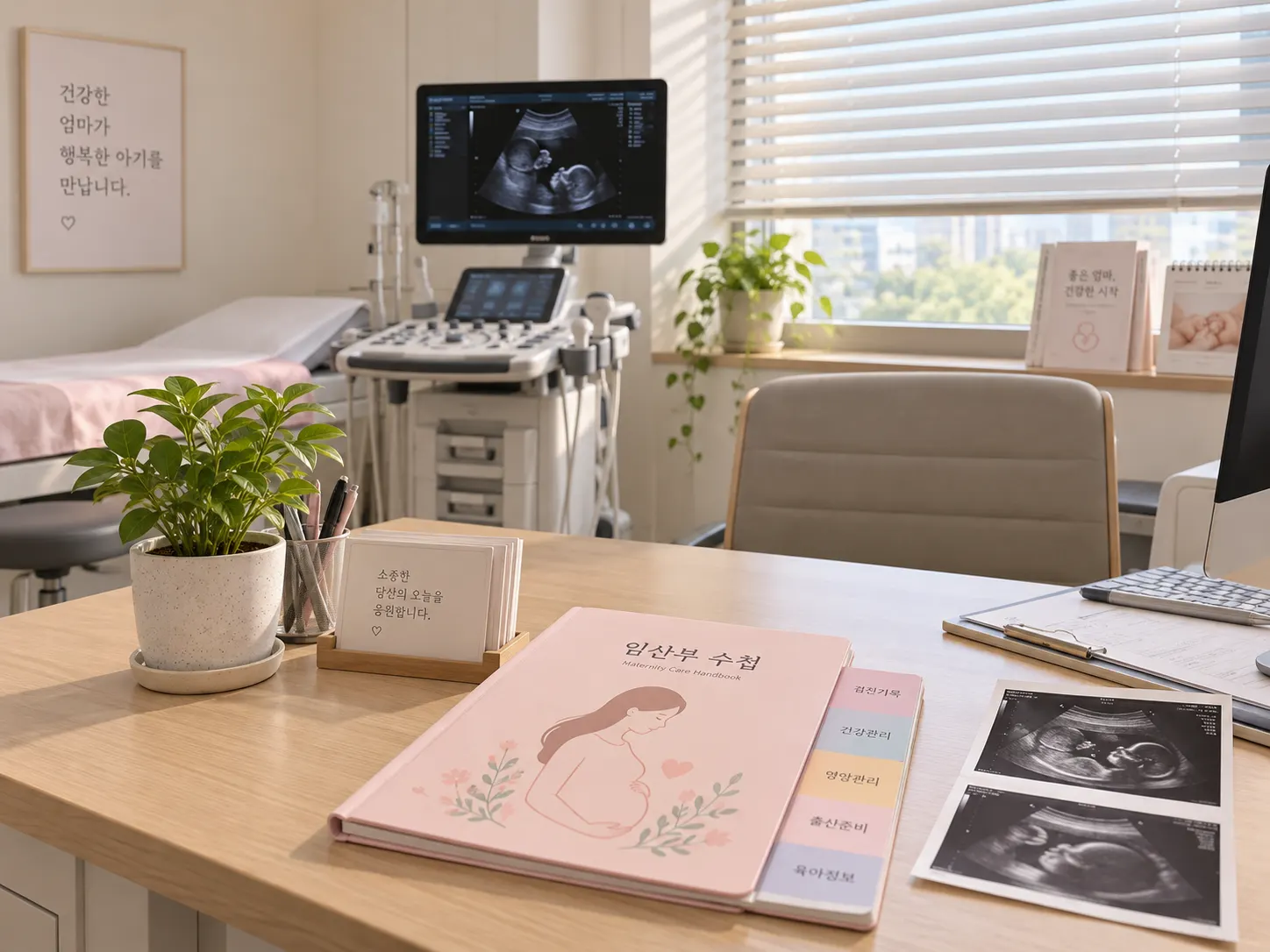
If you are pregnant in Korea, or planning to be, one of the first questions is how prenatal care works and what it will cost you. Prenatal care in Korea runs through OB-GYN clinics and hospitals, and National Health Insurance members can usually use a government pregnancy support voucher to cover a large part of routine checkups. The system is well organized, but the paperwork is in Korean, so knowing the steps in advance helps.
This is general information, not medical advice, so confirm details with your doctor.
The Quick Answer: How It Works
Most pregnancies follow this path: you confirm the pregnancy at an OB-GYN clinic (산부인과), register it to receive the support voucher, attend regular checkups, and choose where to deliver. Costs are shared between insurance, the voucher, and your own spending on optional extras.
Step 1: Confirm and Register the Pregnancy
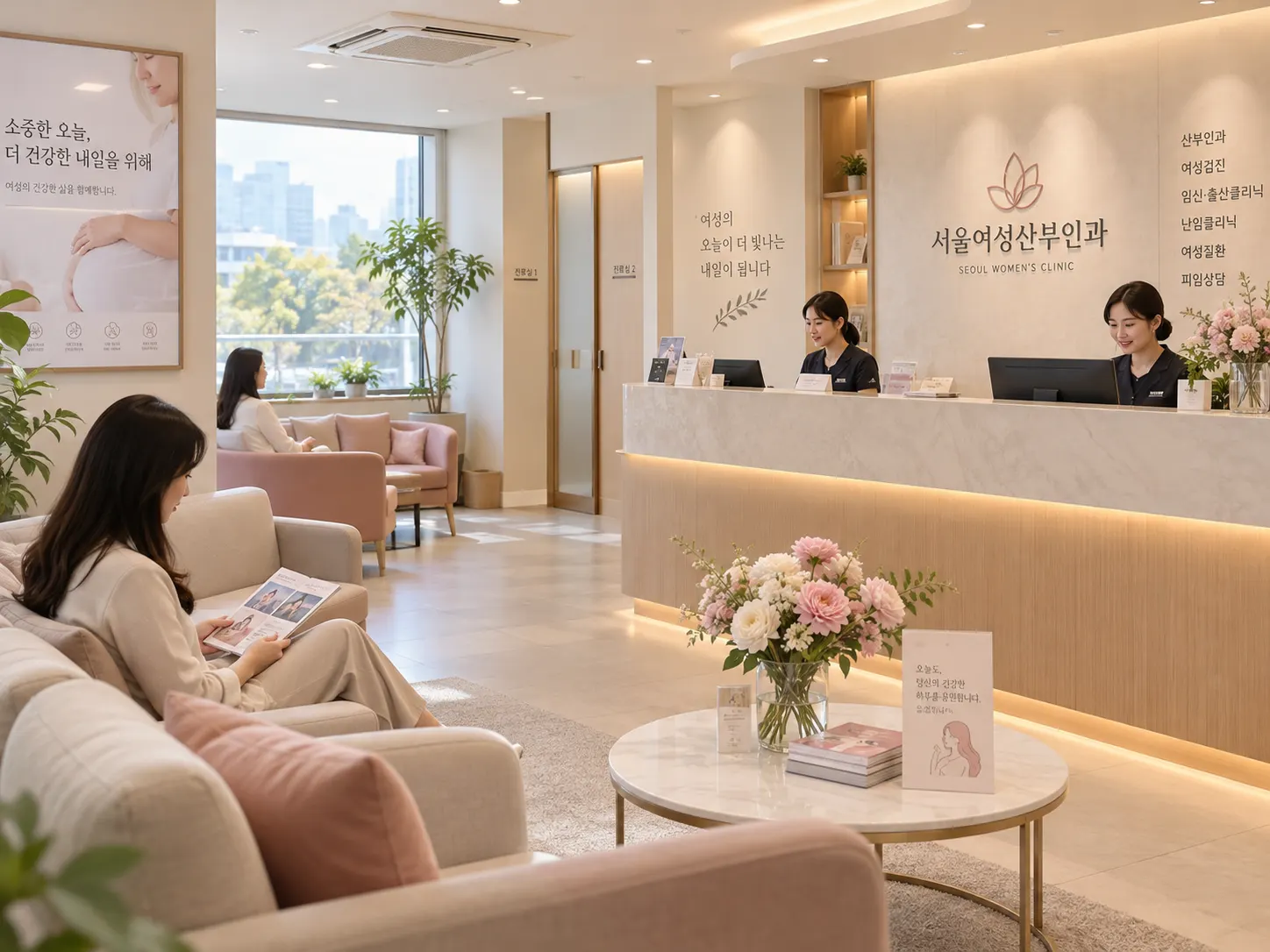
After a positive test, visit an OB-GYN clinic to confirm the pregnancy and get an ultrasound. The clinic can issue a pregnancy confirmation document, which you will need for registration.
With that document, you can usually apply for the government pregnancy and childbirth support voucher through a National Happy Card (국민행복카드), issued by partner card companies. The voucher amount has been around 1 million KRW for a single pregnancy and higher for multiples in recent years, but the figure changes, so confirm the current amount and your eligibility. Foreign residents enrolled in National Health Insurance, or covered as dependents, are generally eligible, though rules can vary by visa and enrollment status.
Step 2: Routine Checkups
Prenatal visits in Korea are frequent and use ultrasound often, which some foreign patients find more intensive than in their home country. A typical pattern includes:
- More frequent early visits, then a regular schedule through the pregnancy
- Standard blood and urine tests
- Ultrasound scans at key points
- Additional screenings that your doctor recommends, some covered and some optional
Basic checkups are covered at a reduced cost, and the voucher offsets the rest. Optional or advanced tests are generally paid out of pocket, so ask what is covered before agreeing to extra screening.
Step 3: Choosing Where to Deliver
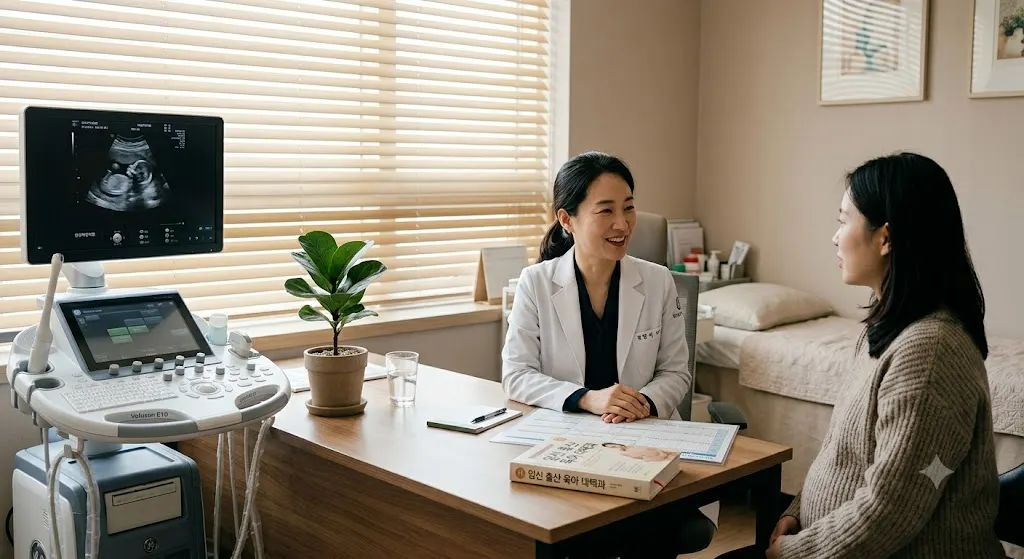
You can deliver at a large hospital, a general hospital, or a dedicated women's hospital or clinic. The right choice depends on your situation:
- Larger hospitals handle higher-risk pregnancies and have more complete emergency capacity.
- Women's hospitals and clinics are often more comfortable and personal, with shorter waits.
- International clinics at major hospitals usually offer the strongest English support.
Insurance generally covers the delivery itself with little or no copay, but extras such as private rooms and optional services are charged separately. After delivery, many families also consider a postpartum care center, as covered in the joriwon guide.
Language and Communication
English support varies a lot. If language matters to you, ask the clinic before booking whether a doctor or coordinator speaks English, and prepare a written list of questions. Translation apps are normal at appointments, and bringing a written medical history helps a new doctor understand your background.
After the Birth: Paperwork
For a baby born in Korea to foreign parents, you will generally need to register the baby's stay status at immigration within a limited period after birth, and contact your embassy about the baby's passport and nationality documents. Deadlines apply, so ask the hospital and your embassy about the current requirements soon after the birth.
Common Mistakes
- Not registering for the voucher early. Applying late can mean paying for visits that the voucher would have covered.
- Assuming every test is covered. Ask which screenings are optional and what they cost.
- Choosing a delivery location without checking language support. Communication matters most during labor and recovery.
- Waiting to start immigration and embassy paperwork. Deadlines begin soon after birth.
Quick Summary
- Prenatal care in Korea goes through OB-GYN clinics, and insured foreign residents can usually use a government pregnancy voucher on a National Happy Card to offset routine costs.
- Routine checkups are frequent and partly covered, while advanced or optional tests are usually paid out of pocket.
- Delivery options range from large hospitals to women's clinics, and insurance generally covers the delivery itself while extras cost more.
- Register for the voucher early, confirm language support in advance, and start the baby's immigration and embassy paperwork soon after birth.