How to Get a Prescription Refilled in Korea as a Foreign Resident
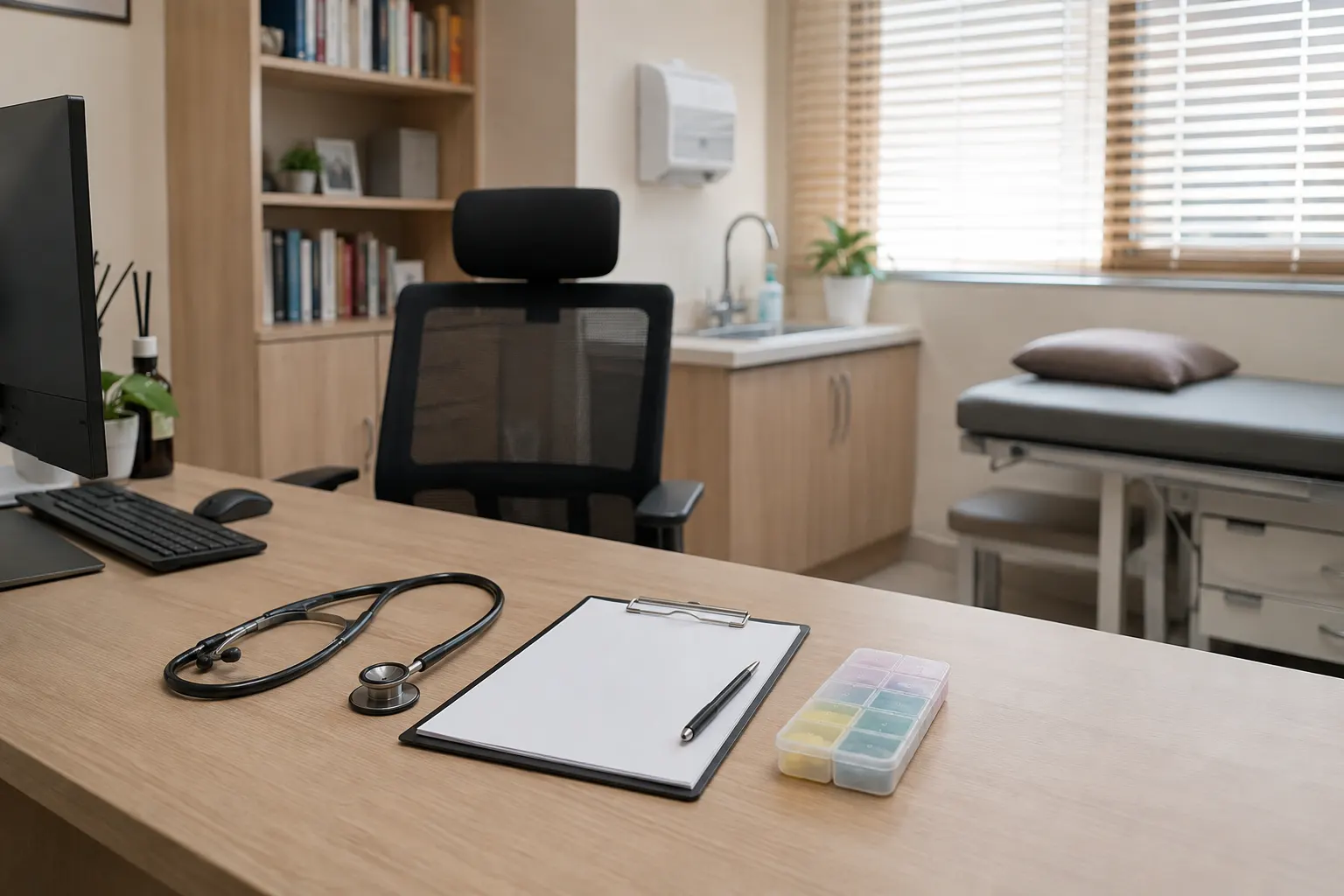
If you take a regular prescription medication and moved to Korea assuming refills would work the same way as back home, a simple call or online request, you may have found the process more involved than expected. Korea generally requires a fresh doctor's visit for prescription renewal rather than an indefinite auto-refill system, which surprises many long-term foreign residents managing an ongoing condition.
Here's how prescription refills actually work in Korea, and how to keep a regular medication routine running smoothly.
Why Korea's System Differs From Auto-Refill Models
In many countries, a doctor can authorize a prescription with multiple refills that a pharmacy processes repeatedly without requiring a new visit each time. Korea's system generally ties prescriptions more tightly to individual clinic visits, meaning most prescriptions are valid for a limited period and a specific quantity, requiring a follow-up appointment to renew rather than an open-ended refill authorization.
- Prescription validity periods vary by medication type, but many standard prescriptions cover roughly 30 days of medication, tied to a follow-up visit interval rather than an indefinite supply.
- Follow-up visits for chronic condition management (blood pressure, diabetes, thyroid conditions, and similar) are generally expected at regular intervals, both to renew the prescription and to monitor the condition itself, this is treated as ongoing medical management rather than a formality to get past.
- Same-day renewal at a follow-up visit is common for stable, well-managed conditions, the appointment itself is often brief, but it's still a required step rather than something skippable through a phone call alone.
What This Means for Long-Term Medication Users
If you're managing an ongoing condition and take a daily medication, planning around this renewal cadence matters more than it might in a system with more flexible refill authorization.
- Schedule your follow-up visit before you run out, rather than waiting until your current supply is nearly exhausted, since same-day appointment availability isn't always guaranteed, particularly at busier clinics.
- Establish a regular relationship with one clinic or doctor for chronic condition management, rather than visiting different clinics each time, since continuity helps with monitoring and generally streamlines the renewal process once a doctor is familiar with your history.
- Bring documentation of your original diagnosis and treatment history, particularly for a new doctor if you're transferring care, translated if possible, helps establish continuity of care more efficiently.
Bringing Medication From Abroad vs. Getting a Local Equivalent
- Bringing a limited personal supply of prescription medication into Korea is generally permitted for personal use, though quantities are restricted, and certain categories of medication, particularly controlled substances, face stricter limits and documentation requirements at customs.
- Finding a Korean equivalent medication is often more practical for long-term residents than repeatedly importing supply from abroad, since Korean doctors can prescribe locally available equivalents once your condition and treatment history are understood, avoiding the complexity of customs limits on repeated personal imports.
- Brand names differ between countries, bringing the generic or active ingredient name, rather than relying solely on a home-country brand name, helps a Korean doctor or pharmacist identify the correct local equivalent more efficiently.
Costs to Expect
- A routine follow-up visit for prescription renewal, with National Health Insurance, typically involves a modest copay similar to other basic clinic visits.
- Medication costs vary by drug, but insured patients generally pay a partial copay rather than the full retail price, similar to how prescription coverage works for other conditions under NHI.
- Specialist follow-ups, if your condition requires ongoing specialist rather than general practitioner management, may carry a somewhat higher cost per visit, though still generally subsidized under insurance for enrolled residents.
Common Mistakes Foreign Residents Make
- Waiting until medication runs out completely before scheduling a follow-up, risking a gap in treatment if an appointment isn't immediately available.
- Assuming a pharmacy can simply extend or refill a prescription independently. Korean pharmacies generally dispense according to what a doctor has prescribed, they don't have independent authority to extend a prescription beyond what's been authorized.
- Not establishing continuity with a single doctor for chronic conditions, making each renewal visit less efficient than it could be with an established relationship and accessible medical history.
- Overlooking the need for a fresh diagnosis discussion when transferring care. Moving to a new clinic, even for an established condition, generally involves a more thorough initial conversation than a routine renewal visit at your regular doctor.
Quick Summary
- Korea generally requires periodic follow-up visits to renew prescriptions rather than open-ended auto-refill authorization, particularly for chronic condition management.
- Scheduling renewal visits before your current medication supply runs out, rather than waiting until the last moment, avoids treatment gaps.
- Bringing generic or active ingredient names, rather than relying on home-country brand names, helps Korean doctors and pharmacists identify appropriate local equivalents.
- Establishing a consistent relationship with one clinic or doctor for ongoing conditions generally streamlines the renewal process compared to visiting different providers each time.