Health
How Korean School Health Checkups and Student Wellness Programs Work
By New In Korea TeamPublished Updated
If your child is enrolled in a Korean school and you've received a notice about a mandatory health checkup or wellness screening, and aren't sure what this involves, how it differs from general pediatric care, or what the results actually mean, understanding Korea's structured school-based health monitoring system helps you navigate these notices confidently and know what to expect for your child's ongoing school health requirements.
Here's how Korean school health checkups and student wellness programs actually work.
Mandatory School Health Checkups
- Korean schools conduct mandatory periodic health checkups for enrolled students, generally at specific grade-level intervals throughout a student's education, covering basic physical measurements, vision and hearing screening, and general health assessment, this represents a structured, school-administered health monitoring system distinct from a family's own pediatric care arrangements.
- These checkups are generally conducted either at the school itself or at a designated partner clinic or hospital, understanding your specific school's actual arrangement, since this affects whether your child undergoes the checkup during school hours on school premises or requires a separate clinic visit arranged through the school.
- Results are generally shared with parents, typically including specific guidance if any concerning results suggest follow-up with a specialist or your family's regular doctor, understanding this notification process matters for staying informed about your child's school health screening results.
What a Typical School Health Checkup Includes
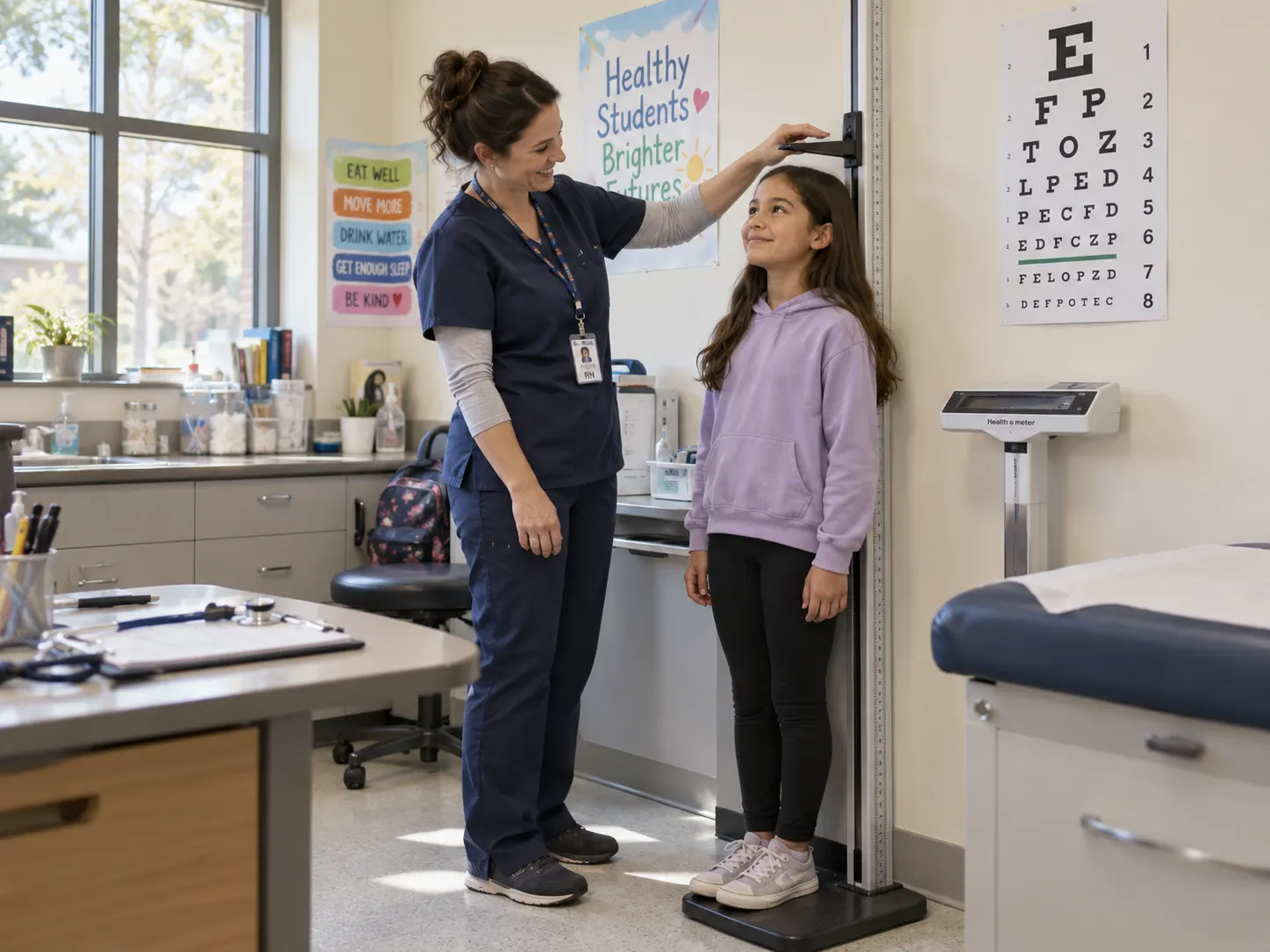
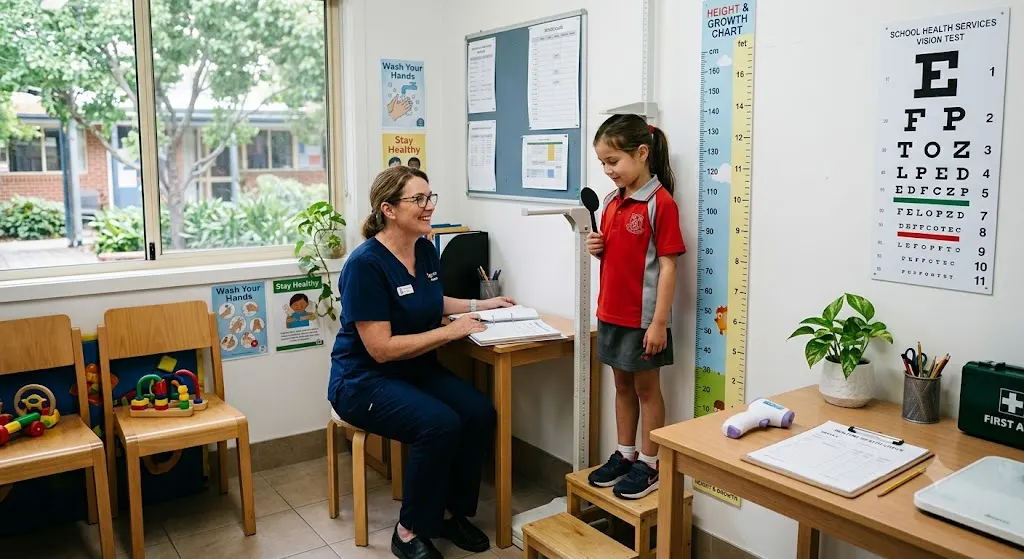
- Basic physical measurements, height, weight, and general growth tracking, compared against standard growth curves, represents a standard component helping identify any significant growth or development concerns warranting further evaluation.
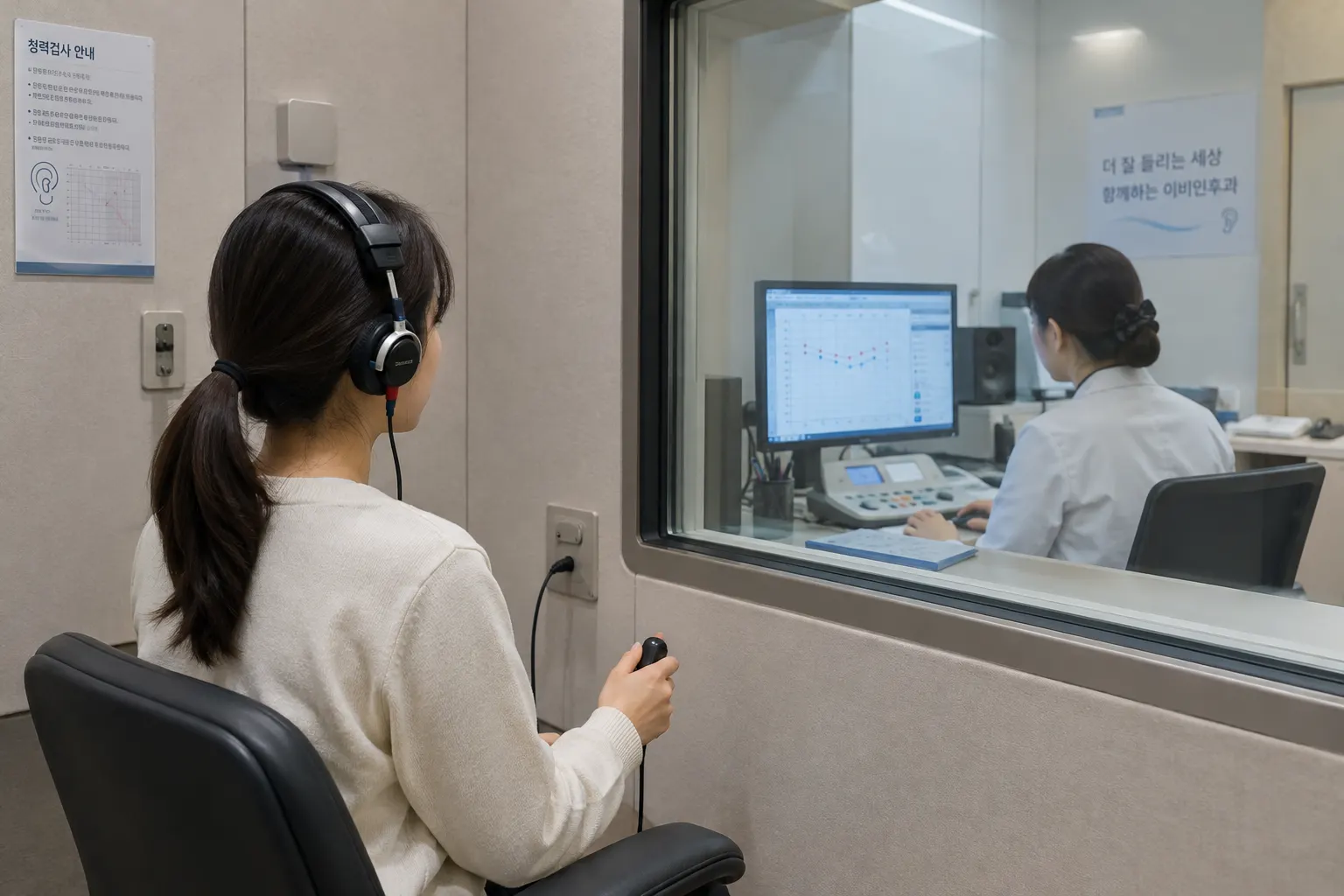
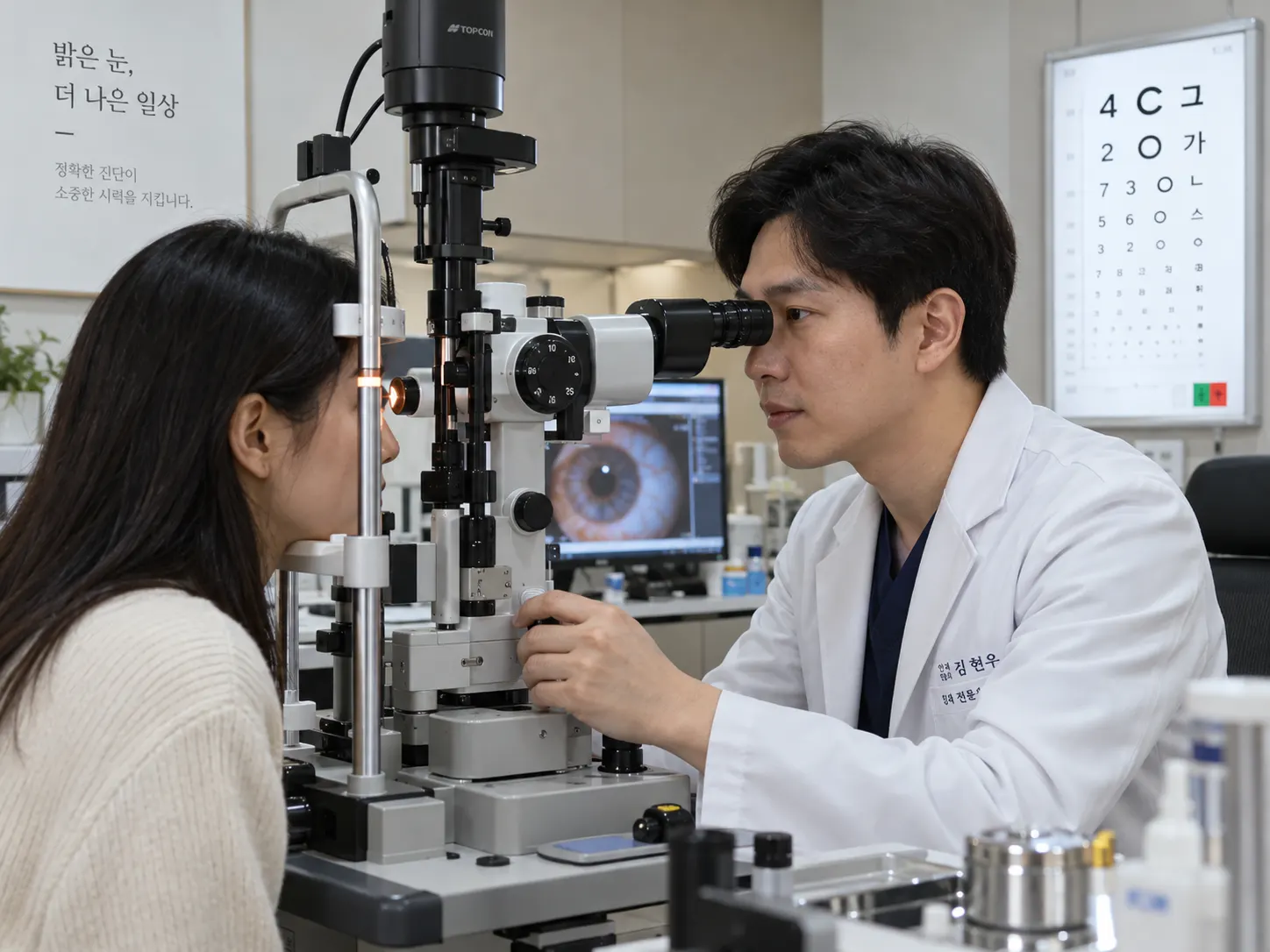
- Vision and hearing screening, a common component given how these can affect classroom learning if undetected, flagging any concerns for follow-up with a specialist, as covered in how eye exams and glasses shopping work, if vision correction needs are identified through this school screening.
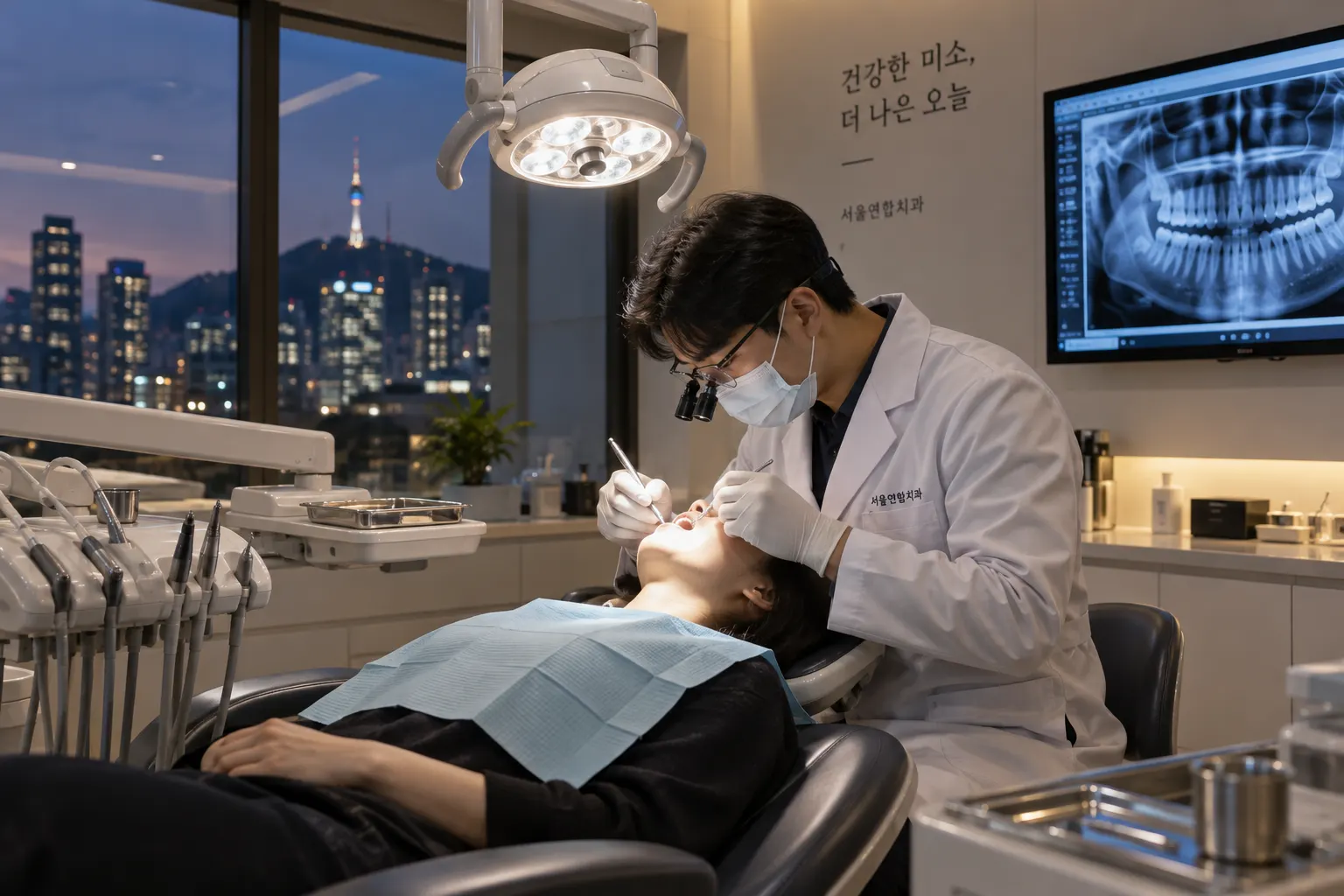
- Dental checkups are sometimes included as a specific separate component, or coordinated as a related but distinct school health initiative, checking your specific school's exact program components helps you understand the complete scope of what's actually covered.
- Scoliosis and posture screening, a specific component at certain grade levels given genuine concern about this developing during growth years, represents another common specific checkup element worth understanding if your child's specific grade level includes this screening.
How Foreign Families Navigate This System
- Understanding school communication about checkup scheduling, notices are generally sent home in Korean, as covered in broader challenges foreign families navigate with Korean-language school communication, having a translation approach ready, whether through a translation app or school office assistance, helps ensure you don't miss important checkup scheduling information.
- Bringing relevant prior health history if requested, some school health programs ask for basic health history information from parents as part of the checkup process, having this information readily available, potentially pre-translated into Korean if your child's school doesn't offer English intake forms, streamlines this process.
- Following up on any flagged concerns promptly, if a school checkup identifies a specific concern warranting further evaluation, as covered in how to find a primary care doctor or appropriate specialist in Korea, following up with appropriate medical care promptly matters for your child's actual health outcome, not just satisfying the school's screening requirement.
How This Coordinates With Your Family's Own Healthcare
- School checkups generally supplement rather than replace your family's own ongoing pediatric or general health care relationship, understanding this screening as an additional, periodic check rather than your child's comprehensive healthcare, maintaining your own regular healthcare provider relationship for your child remains important alongside this school-based screening.
- National Health Insurance coverage generally applies to any follow-up care needed based on a school checkup's findings, similar to standard NHI coverage patterns for other medical concerns, understanding that a flagged school screening result leading to follow-up care generally follows the same standard insurance coverage structure as any other medical concern.
- Communicating relevant health information between your family's regular healthcare provider and the school health program, particularly for any ongoing condition your child manages, helps ensure consistent, well-informed care across both contexts.
Common Mistakes Foreign Families Make
- Missing checkup scheduling notices due to language barriers, not having a reliable system for translating and tracking school communications, potentially missing a scheduled checkup or follow-up requirement.
- Not following up promptly on flagged concerns, treating a school checkup result as a formality rather than genuine health information warranting appropriate follow-up care if a concern is identified.
- Assuming school checkups replace the need for regular pediatric care, when these periodic, somewhat limited-scope school screenings supplement rather than substitute for ongoing comprehensive healthcare through your family's own regular provider relationship.
- Not providing requested health history information clearly, given potential language barriers in completing intake forms, missing an opportunity to provide useful context that could inform the checkup's actual assessment and any follow-up recommendations.
Quick Summary
- Korean schools conduct mandatory periodic health checkups covering physical measurements, vision and hearing screening, and sometimes dental and posture-specific screening, representing a structured school-based health monitoring system for enrolled students.
- Understanding your specific school's checkup arrangement, on-premises or at a designated partner clinic, and staying attentive to Korean-language scheduling notices, matters for not missing this requirement.
- Promptly following up on any flagged concerns from a school checkup with appropriate medical care, rather than treating the screening as merely a formality, matters for your child's actual health outcome.
- School health checkups supplement rather than replace your family's own ongoing pediatric or general healthcare relationship, maintaining this separate regular care remains important alongside the periodic school-based screening.