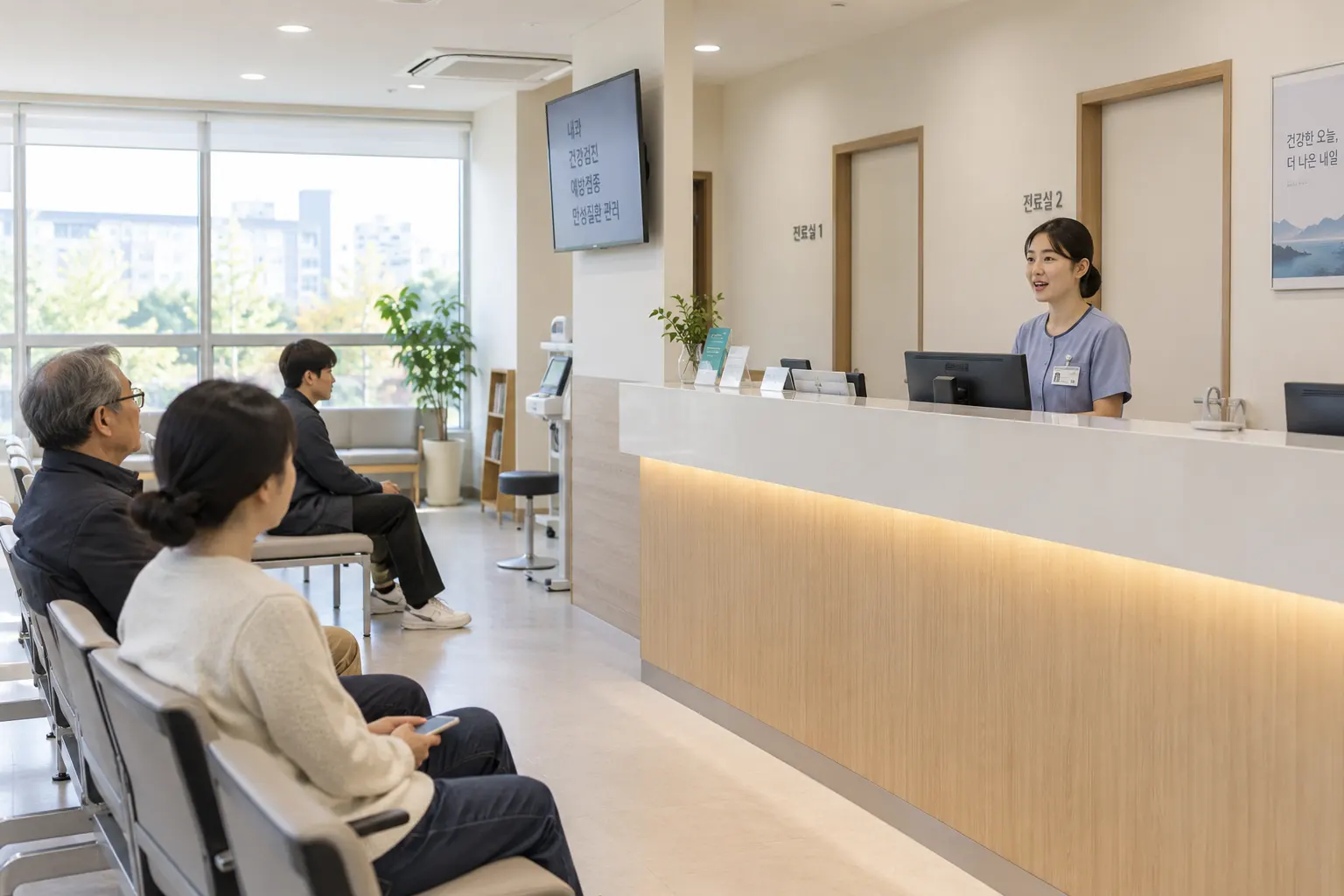
How to See a Doctor in Korea Without Speaking Korean
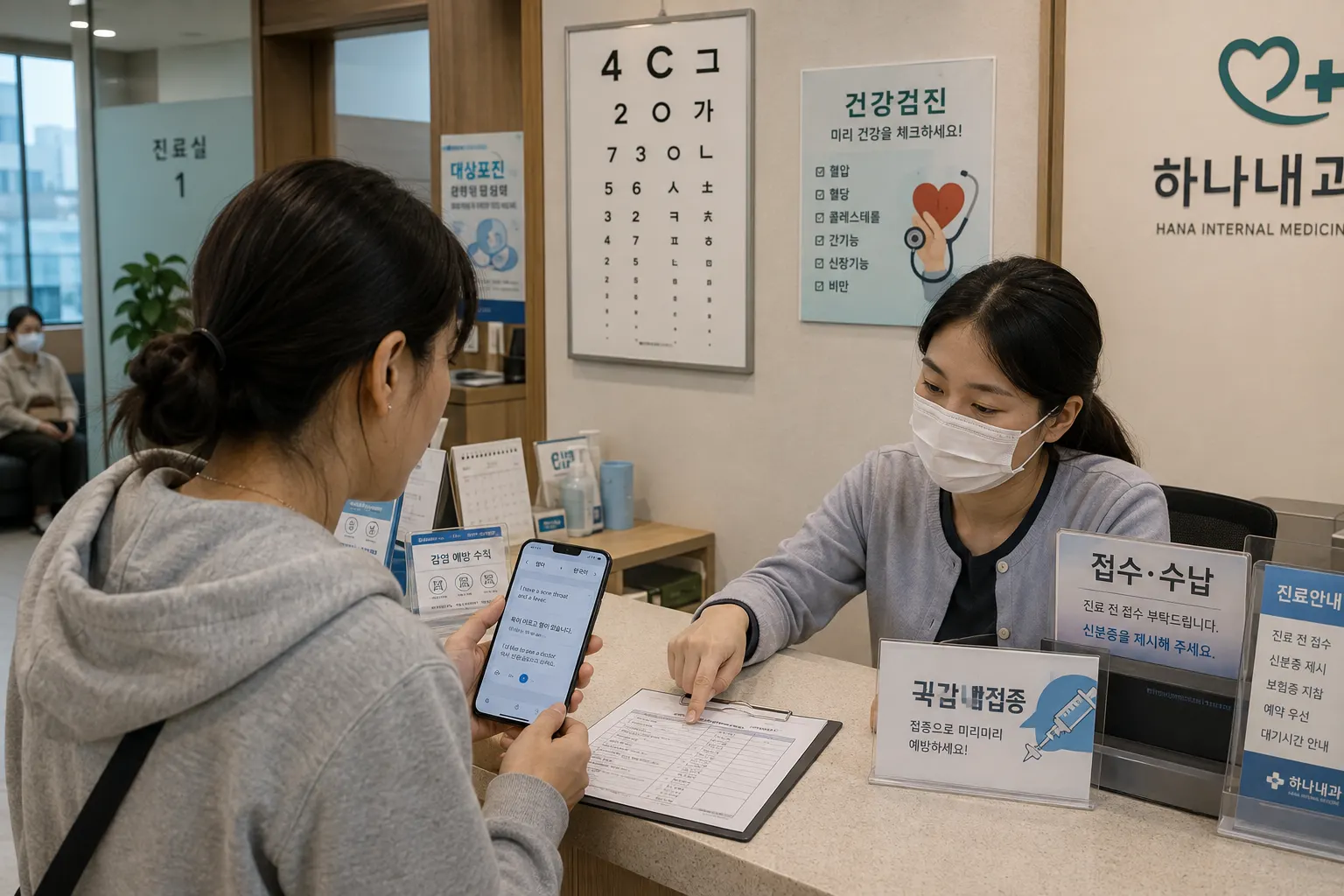
If you've felt unwell in Korea and hesitated to go to a clinic because you weren't sure you'd be understood, you're far from the only one. Language is one of the biggest barriers foreign residents and visitors mention when it comes to healthcare here, but it's also one of the more solvable ones, if you know which resources actually exist.
Here's how to realistically get medical care in Korea without fluent Korean, and what to expect at each step.
Start With the Right Kind of Clinic
Not all clinics are equally set up for non-Korean speakers, but a growing number are, especially in areas with higher foreign populations.
- International clinics at major hospitals (Severance, Samsung Medical Center, Seoul National University Hospital, and similar) typically have dedicated international health centers with English-speaking staff and sometimes other languages depending on the hospital.
- Neighborhood clinics near universities or foreign-heavy districts (Itaewon, Yeonnam-dong, areas near international schools) more frequently have at least one English-speaking staff member, even if it's not advertised clearly online.
- General neighborhood clinics elsewhere may have little to no English ability, which doesn't mean you can't be treated, but it does mean you should prepare more before going.
Calling ahead, even briefly, to ask "Do you have someone who speaks English?" before booking or walking in can save you an awkward or confusing visit.
Use Translation Tools Deliberately, Not as a Backup Plan
Many foreign patients treat translation apps as a last resort if communication breaks down. It works better to plan around them from the start.
- Write out your symptoms in simple sentences beforehand, using a translation app, rather than trying to translate live and rapidly during the appointment.
- Bring a translated list of any medications you're currently taking, including generic ingredient names, since brand names vary by country and can cause confusion.
- Use your phone's translation app in conversation mode during the appointment itself if needed, most Korean doctors are used to this by now and won't find it unusual.
A surprising number of doctors, especially younger ones trained partly in English-language medical materials, can read written English medical terms more easily than they can follow spoken conversational English, so having things written down helps more than expected.
Booking an Appointment
- Walk-ins are common at smaller neighborhood clinics, especially for common issues like colds or minor injuries, no advance booking required.
- Larger hospitals and specialists generally require an appointment, sometimes bookable online or by phone, and international health centers often have staff who can help schedule in English.
- Same-day appointments are often possible even at busier clinics, Korea's healthcare system is generally faster to access than many countries for non-emergency visits.
What Happens During the Visit
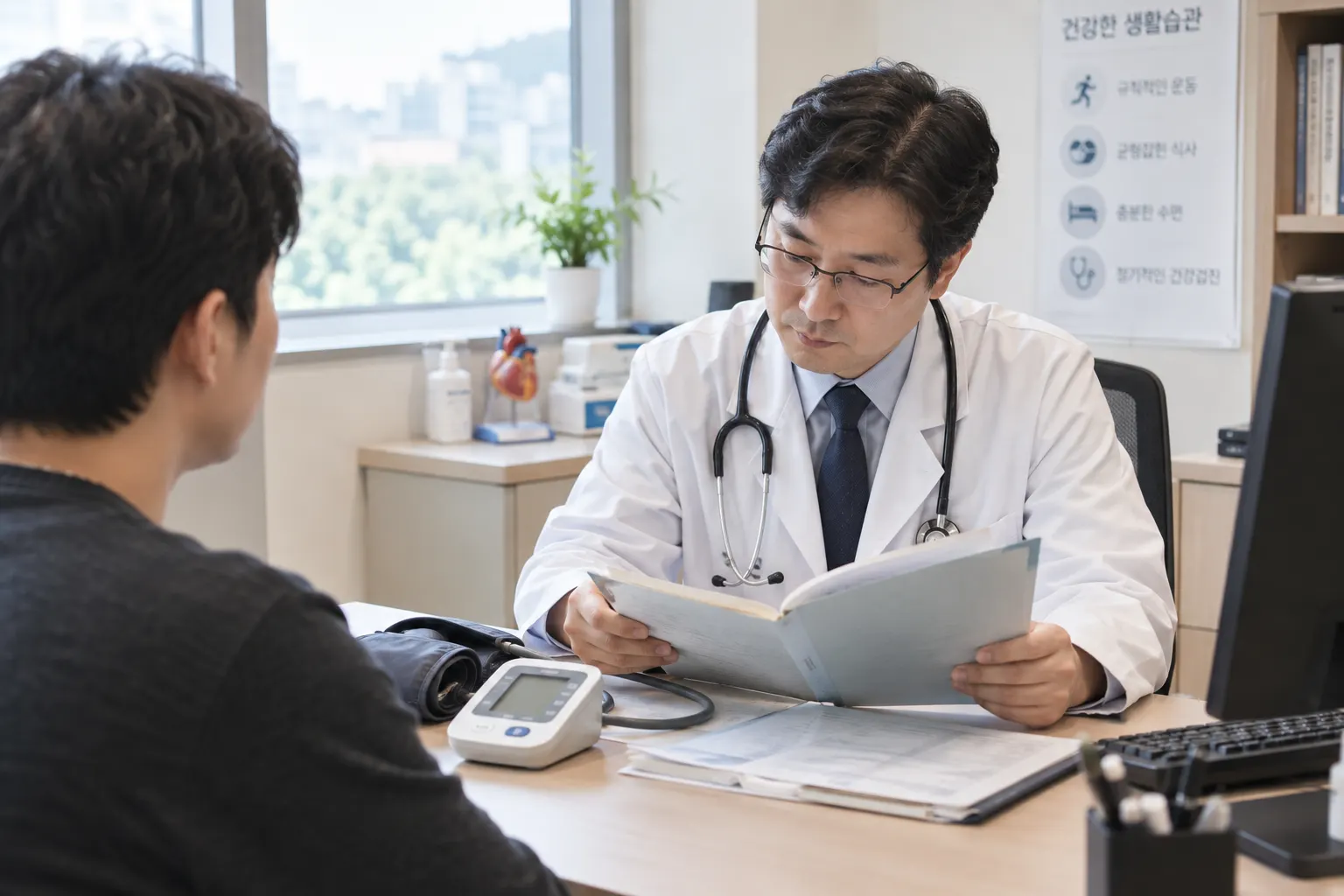
A typical clinic visit in Korea tends to be shorter than many foreign patients expect, often 5–10 minutes for straightforward issues, which can feel abrupt if you're used to longer consultations elsewhere. This isn't a sign of lower quality care, it reflects a healthcare system built around high patient volume and quick, focused visits, with follow-up visits used for anything that needs more time.
After the consultation, you'll typically receive a prescription to fill at a nearby pharmacy, not inside the clinic itself, and in many cases, results from basic tests (blood work, X-rays) come back the same day or within a day or two.
Cost Expectations
- With National Health Insurance, a basic clinic visit typically costs a small copay, often in the 5,000–15,000 KRW range for a routine visit.
- Without insurance, as a tourist or short-term visitor, a basic visit is usually still reasonably affordable, commonly somewhere in the 20,000–50,000 KRW range depending on the clinic and any tests involved, though this varies.
- Larger hospitals and specialist visits cost more, and international health centers sometimes charge a coordination fee on top of the standard visit cost for English-language support.
Common Misunderstandings
A common assumption is that you need to find a specifically "foreigner clinic" to be treated properly. In practice, any licensed clinic in Korea can treat you, language ability affects communication ease, not the quality or legality of care you receive. Another misunderstanding is expecting hospital-level facilities at every clinic, Korea's system distinguishes between small clinics (의원) for routine care and larger hospitals (병원) for more serious or specialized treatment, and going straight to a large hospital for a minor cold usually means a longer wait and higher cost for no real benefit.
When You Need More Than a Clinic Can Offer
For anything urgent or unclear, Korea has a multilingual medical information service you can call for guidance on where to go and what to expect, useful when you're not sure whether your situation needs a clinic, a hospital, or emergency care. For genuine emergencies, calling 119 connects you to emergency services, and major hospital emergency rooms in larger cities generally have some English-speaking capacity, though this can't be guaranteed everywhere.
Quick Summary
- International clinics at major hospitals and neighborhood clinics in foreign-heavy areas are your best bet for English-language care, but any licensed clinic can legally treat you.
- Preparing written symptom descriptions and medication lists in advance works better than relying on live translation during the visit.
- Clinic visits are typically short and efficient, with prescriptions filled at a separate pharmacy, not a sign of lower-quality care.
- Basic visits are affordable even without insurance, and a multilingual medical information line and 119 are available for emergencies or uncertainty about where to go.