How Korean Dermatology and Skin Allergy Care Works for Eczema and Acne
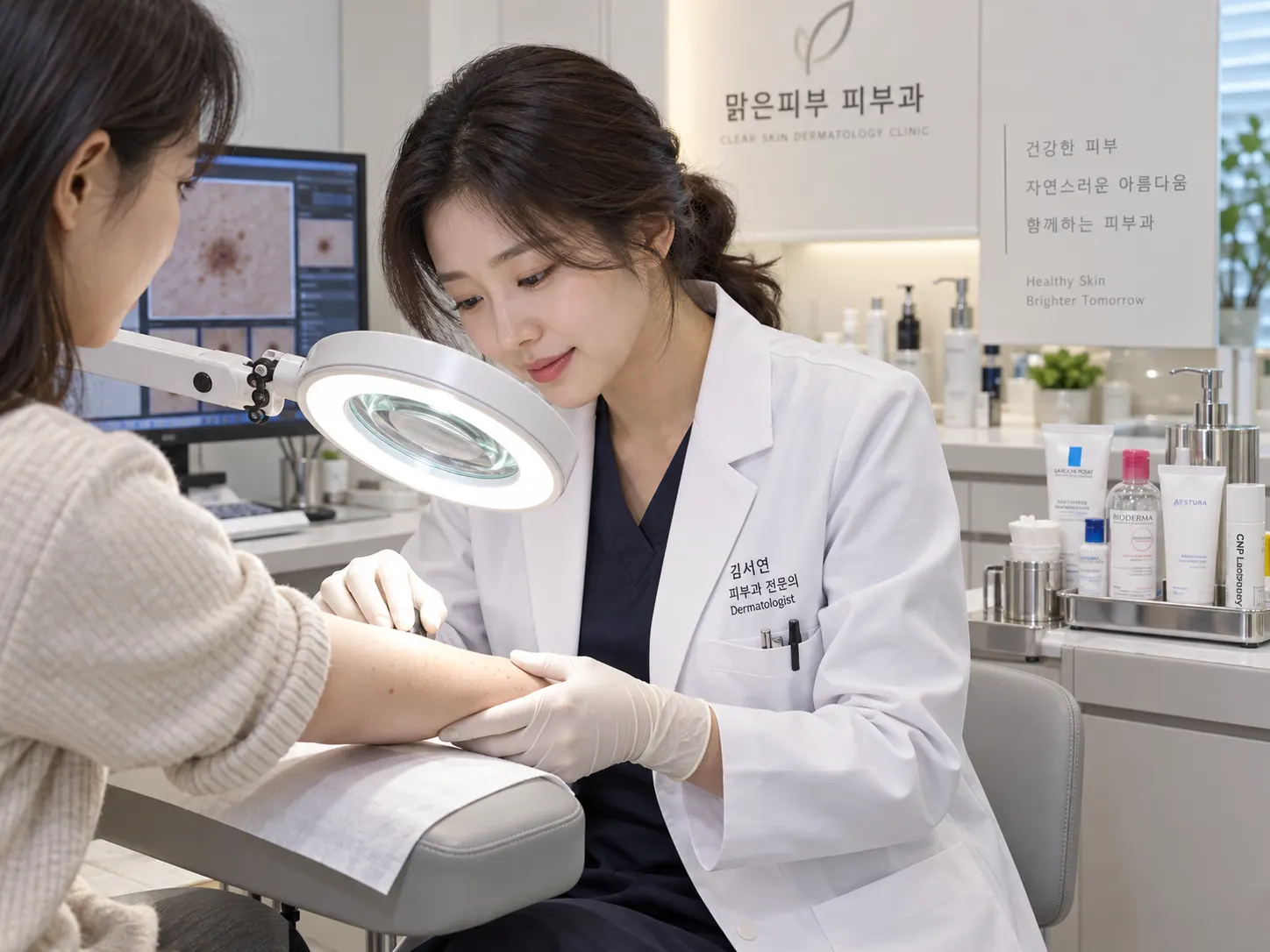
If you have eczema, acne, or a rash that flares up in Korea's dry winters and humid summers, you may not know whether to see a dermatologist or just buy a product at Olive Young. Dermatology care in Korea is easy to access and usually cheap when the issue is medical. Insurance generally covers visits for diagnosed skin conditions, while cosmetic treatments are paid out of pocket, so knowing which category you are in matters.
This is general information, not medical advice.
The Quick Answer: When to See a Dermatologist
Book a skin clinic (피부과) if you have:
- Persistent or worsening acne, especially with scarring or pain
- Eczema or itchy, inflamed patches that do not settle with moisturizer
- A sudden rash, hives, or a suspected allergic reaction
- A mole or spot that is changing in size, shape, or color
For mild dryness or occasional breakouts, a pharmacist can often suggest an over-the-counter option first.
What Insurance Covers
As covered in the cosmetic dermatology guide, the dividing line is medical versus cosmetic:
- Covered at a partial copay: consultation, diagnosis, and treatment of conditions such as acne, eczema, dermatitis, fungal infections, and warts, plus prescribed medication.
- Not covered: laser treatments for texture or pigmentation, many scar treatments, and other aesthetic procedures.
Ask the clinic before treatment whether a specific procedure is covered, since some conditions straddle the line.
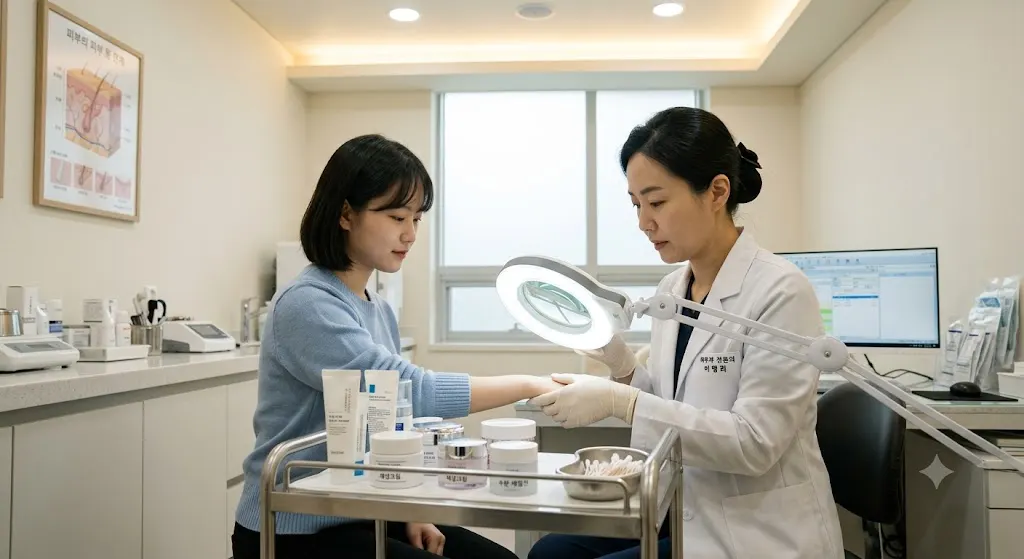
What a Visit Looks Like
Visits are typically short. A doctor examines the skin, asks about symptoms and history, and often prescribes a topical cream or oral medication, which you fill at a nearby pharmacy. Clinics are efficient, and same-day appointments are often possible. For allergy-related rashes, the doctor may recommend testing or refer you to an allergy specialist, as covered in the allergy testing guide.
Language and Preparation
English support varies. To make the visit go smoothly:
- Bring photos showing how the skin looked at its worst
- Write down when it started and anything that triggers it
- List current products and medications, including prescriptions from home, using generic ingredient names
- Use a translation app for symptoms if needed
Korea's Climate and Your Skin
Many newcomers notice changes:
- Winter is very dry, and heating can worsen eczema and itch
- Summer is humid and can trigger sweat-related irritation or fungal issues
- Fine dust days can irritate sensitive skin, so gentle cleansing after outdoor time helps
A simple routine of gentle cleanser, moisturizer, and daily sunscreen works for most people, and a dermatologist can adjust it for your skin type.
Common Mistakes
- Treating a medical problem with trendy products. Persistent symptoms deserve a diagnosis.
- Using prescription steroids without guidance. Strength and duration matter.
- Stacking many new active ingredients at once. It makes irritation hard to trace.
- Assuming every dermatology treatment is covered. Clarify cost before agreeing.
Quick Summary
- Dermatology visits for diagnosed skin conditions like acne and eczema are generally covered by National Health Insurance at a partial copay, while cosmetic treatments are paid out of pocket.
- Visits are short and efficient, and prescriptions are filled at a nearby pharmacy.
- Bring photos, a timeline of symptoms, and a list of current products and medications, with generic ingredient names.
- Korea's dry winters, humid summers, and fine dust days can affect skin, and a simple routine with sunscreen helps most people.