Vaccinations in Korea for Foreign Residents: Records, Clinics, and Adult Booster Planning
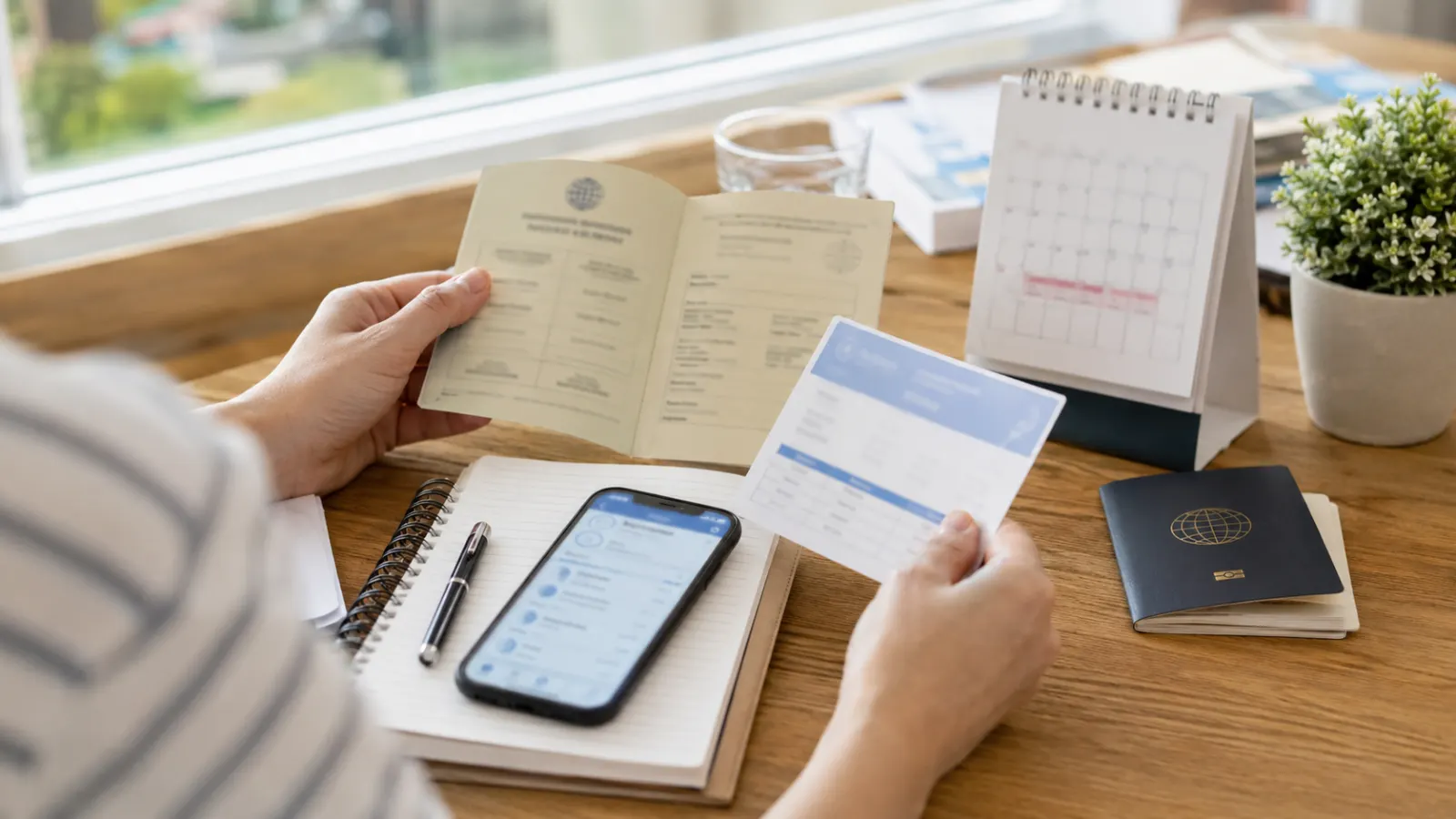
Foreign residents may need vaccination records for school admission, childcare, employment, travel, pregnancy planning, or personal health management. The difficulty is that vaccinations received overseas may not automatically appear in Korea’s system, while names, dates, and vaccine brands can be recorded differently.
The practical goal is not to repeat every vaccine after arriving. It is to organize your existing record, confirm which doses are recognized, and discuss missing or recommended vaccinations with an appropriate medical provider.
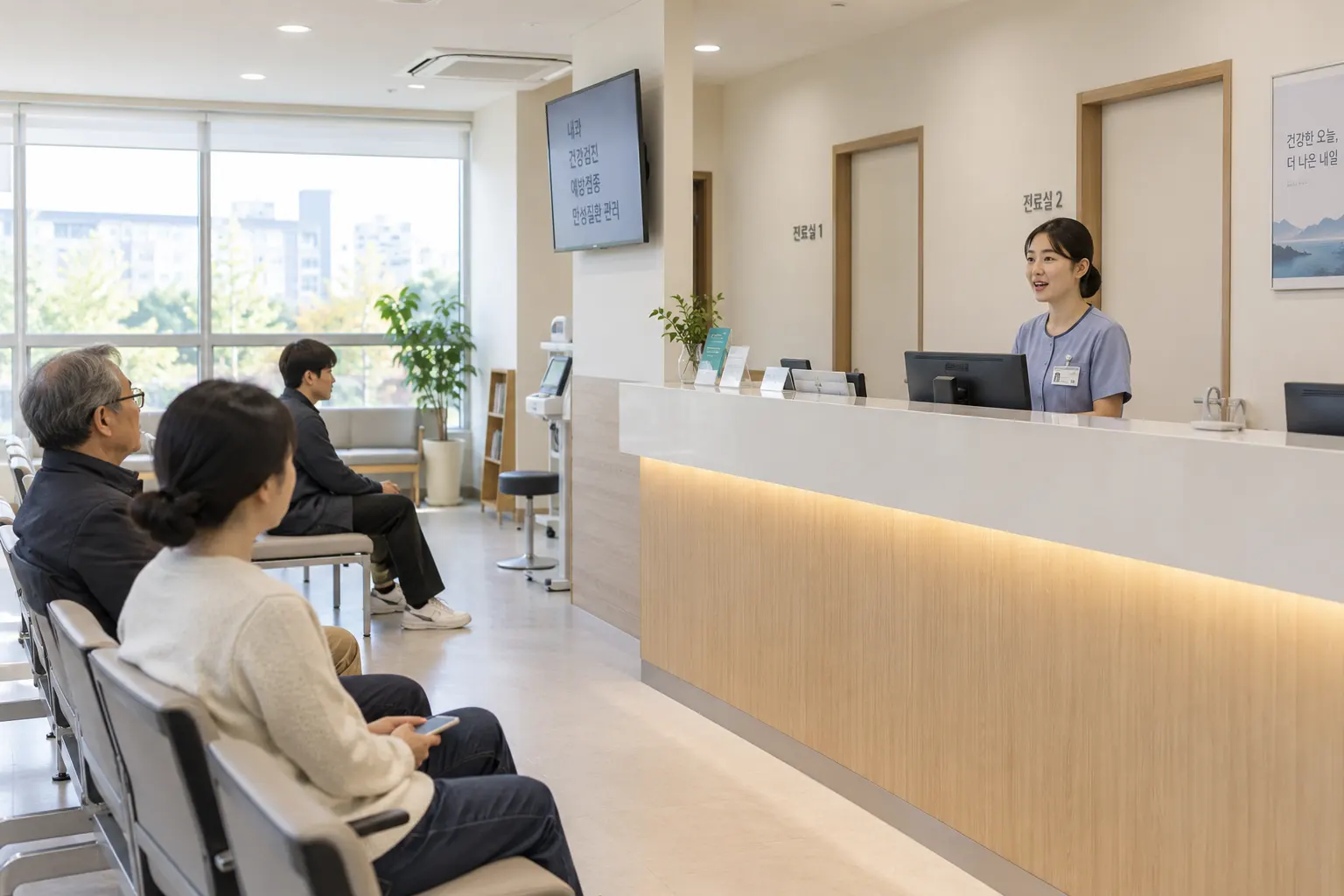
Where vaccinations are provided
Vaccinations in Korea may be available through:
- Public health centers
- Pediatric clinics
- Internal medicine clinics
- Family medicine clinics
- Travel clinics
- Hospitals
- Designated vaccination institutions
Availability depends on the vaccine, age, program, supply, and institution. Call before visiting. A clinic that offers seasonal influenza vaccination may not stock every adult booster or travel vaccine. Ask whether an appointment is required, how much the vaccine costs, and what identification or records to bring.
Korea’s vaccination-record system
The Korea Disease Control and Prevention Agency operates a national immunization system that can store vaccination history, provide schedule notifications, and support vaccination certificates. Public health centers and participating medical institutions contribute vaccination information to the system.
A vaccination administered in Korea may be registered when the provider participates and has the necessary identity information.
Records from another country may not appear automatically. A healthcare provider may need to review the documentation before determining whether it can be entered or used as evidence.
Do not assume that a paper record has been digitized simply because you showed it once to a school or clinic.
What overseas records should include
Bring the clearest original or official record available. Useful details include:
- Full legal name
- Date of birth
- Vaccine name
- Manufacturer or product
- Dose date
- Dose number
- Clinic or authority
- Lot number when available
- Provider signature or stamp
- Translation if the original is not understandable
A childhood booklet with handwritten abbreviations can be difficult to interpret. Ask your home-country provider or health authority for a modern official summary when possible. Do not create your own dates from memory. When a record is incomplete, tell the clinic that the information is uncertain.
Vaccine names can differ
A vaccine may be known by a brand name in one country and by an ingredient or disease name in another. Combination vaccines also create confusion. One injection may have covered several diseases, but the Korean form may list them separately. Before visiting, make a simple table with:
- Disease
- Vaccine product
- Dose date
- Dose number
- Country
- Source document
This helps the provider compare the history with Korean recommendations. Do not assume a differently branded vaccine is automatically invalid. The medical provider should evaluate equivalence, interval, age, and documentation.
Children entering school or daycare
Parents may be asked to provide vaccination evidence when enrolling a child. Start preparation before the application deadline. Records may need translation, review, system entry, or additional doses. Bring:
- Child’s passport
- Residence information
- Parent identification
- Overseas immunization record
- Korean records
- School or childcare request form
- Relevant medical history
If the child received vaccines in several countries, combine the records into one chronological list. Do not wait until the first school day to resolve missing documentation.
Adult vaccination is often overlooked
Adults may assume vaccination ends after childhood. In reality, appropriate boosters or additional vaccines may depend on age, occupation, pregnancy, medical conditions, travel, military history, exposure, and previous doses.
Possible discussions with a medical provider may include:
- Seasonal influenza
- Tetanus-related boosters
- Hepatitis vaccines
- Measles, mumps, and rubella history
- Varicella history
- Human papillomavirus vaccination
- Pneumococcal vaccination
- Shingles vaccination
- Travel-related vaccines
This is not a universal checklist. The correct choice depends on the person. Bring medication and allergy information. Inform the provider about pregnancy, immune-system conditions, previous serious reactions, and current illness.
Travel vaccines
Foreign residents leaving Korea for another country may need travel-health advice. Requirements and recommendations depend on the destination, season, activities, duration, accommodation, and personal health. Begin early because:
- Some vaccines require multiple doses
- Protection may take time to develop
- Certain vaccines are offered only at designated centers
- Documentation may be required at the border
- Supply may be limited
The KDCA provides overseas infectious-disease information and identifies internationally certified vaccination centers for certain travel vaccines. Do not buy an unofficial vaccination certificate online.
Cost and insurance
The price may differ depending on whether the vaccine is included in a public program, the person’s age, eligibility, clinic, and vaccine product. Ask before receiving the injection:
- Is this covered by a public program?
- Is National Health Insurance involved?
- What is the full out-of-pocket price?
- Is a consultation fee separate?
- Is a certificate included?
- Are future doses included?
- What is the cancellation policy?
A free program for one age group does not mean the same vaccine is free for every adult.
After vaccination
Ask the provider what ordinary reactions may occur and when urgent care is needed. Keep:
- Vaccine name
- Date
- Dose number
- Clinic
- Receipt
- Certificate
- Next scheduled dose
Check whether the record appears correctly in the Korean system. Correct spelling and identification problems early. Do not schedule a multi-dose series without considering travel, moving, school terms, and clinic availability.
A practical record system
Store vaccination evidence in three forms:
- Original paper record
- Clear scanned copy
- Simple chronological summary
Keep the original safe and share copies when possible. For families, create a separate folder for each person. Include Korean and overseas records rather than assuming one system contains everything.
Quick Summary
- Vaccinations received overseas may not automatically appear in Korea’s immunization system.
- Bring official records showing vaccine names, dates, doses, and identifying information.
- Adults should discuss boosters and travel vaccines based on individual risk rather than copying a general list.
- Confirm cost, eligibility, record entry, and the timing of future doses before leaving the clinic.